تین مدتوں کے بلند و پست مقامات کا مومینٹم تجارتی حکمت عملی

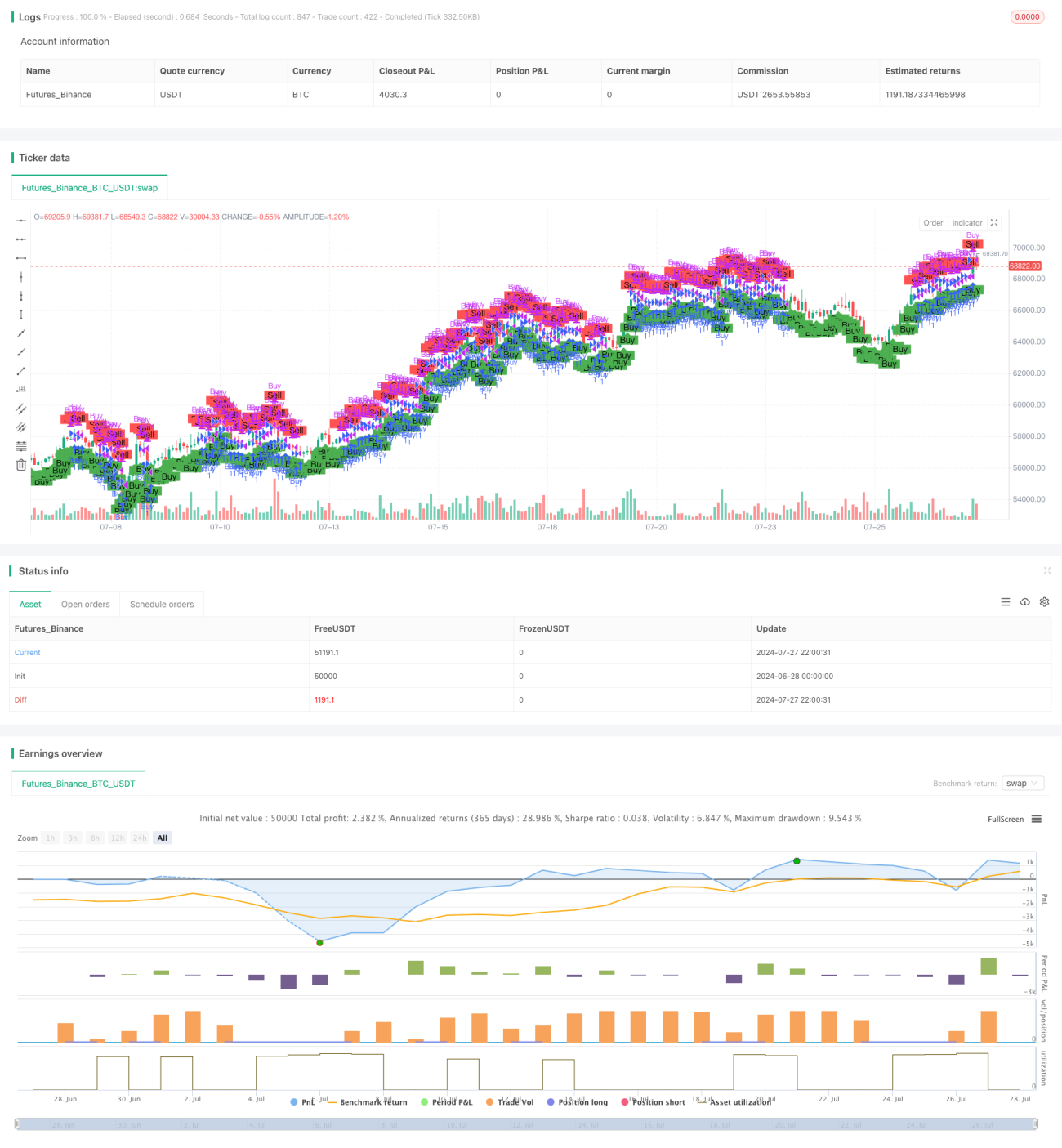
خلاصہ
یہ حکمت عملی تین ہفتوں کی اونچ نیچ پر مبنی ایک لمحاتی تجارتی حکمت عملی ہے۔ یہ حالیہ تین ہفتوں کے قیمتوں کے ڈیٹا کا استعمال کرتے ہوئے ممکنہ خرید و فروخت کے مواقعوں کی نشاندہی کرتی ہے۔ یہ حکمت عملی بنیادی طور پر تازہ ترین اونچائی، تازہ ترین بند قیمت، اور تین ہفتے پہلے کی بند قیمت کے درمیان تعلق پر توجہ مرکوز کرتی ہے، اور ان قیمتوں کی سطحوں کا موازنہ کرکے تجارتی سگنل پیدا کرتی ہے۔ اس طریقے کا مقصد درمیانی مدتی قیمت کے رجحان کو پکڑنا ہے، جبکہ قلیل مدتی مارکیٹ کے شور کے اثرات سے بچنا ہے۔
حکمت عملی کے اصول
اس حکمت عملی کے بنیادی اصولوں میں درج ذیل اہم عناصر شامل ہیں:
-
اشاریوں کا حساب:
- تازہ ترین اونچائی: ta.highest() فنکشن کا استعمال کرتے ہوئے پچھلے 30 تجارتی دنوں (تقریباً 4 ہفتے) کی سب سے اونچی قیمت کا حساب لگانا۔
- تازہ ترین بند قیمت: close[1] کا استعمال کرتے ہوئے پچھلے دن کی بند قیمت حاصل کرنا۔
- تین ہفتے پہلے کی بند قیمت: close[30] کا استعمال کرتے ہوئے 30 تجارتی دن پہلے کی بند قیمت حاصل کرنا۔
-
خرید کی شرائط:
- شرط 1: تازہ ترین اونچائی تین ہفتے پہلے کی بند قیمت سے زیادہ یا برابر ہو۔
- شرط 2: تازہ ترین بند قیمت تین ہفتے پہلے کی بند قیمت سے زیادہ ہو۔
-
فروخت کی شرط:
- جب تازہ ترین بند قیمت تین ہفتے پہلے کی بند قیمت سے زیادہ ہو تو فروخت کا سگنل متحرک ہوتا ہے۔
-
تجارت کا نفاذ:
- خرید کا سگنل متحرک ہونے پر، لمبی پوزیشن میں داخل ہوں۔
- فروخت کا سگنل متحرک ہونے پر، موجودہ لمبی پوزیشن کو بند کریں۔
-
بصری نمائش:
- چارٹ پر خرید و فروخت کے سگنلز کو نشان زد کرنے کے لیے plotshape() فنکشن کا استعمال کریں۔
اس ڈیزائن کا مقصد اس وقت اوپر کی طرف رفتار کو پکڑنا ہے جب قیمت تین ہفتے پہلے کی سطح سے اوپر نکلے، اور قیمت واپس گرنے پر منافع بچانے کے لیے پوزیشنوں کو فوری طور پر بند کرنا ہے۔
حکمت عملی کے فوائد
-
درمیانی مدتی رجحان کا پتہ لگانا: موجودہ قیمتوں کا تین ہفتے پہلے کی سطحوں سے موازنہ کرکے، حکمت عملی درمیانی مدتی رجحان کی تشکیل اور تسلسل کو مؤثر طریقے سے پہچانتی ہے۔
-
شور کو فلٹر کرنا: تین ہفتوں کا وقت کا فریم استعمال کرنے سے قلیل مدتی مارکیٹ کی اتار چڑھاو کو فلٹر کرنے میں مدد ملتی ہے، جس سے سگنلز کی وشوسنییتا بہتر ہوتی ہے۔
-
متحرک موافقت: حکمت عملی تازہ ترین قیمت کے ڈیٹا کی بنیاد پر اپنے فیصلہ سازی کے معیار کو مسلسل اپ ڈیٹ کرتی ہے، جس سے یہ مارکیٹ کی تبدیلیوں کے مطابق ڈھل سکتی ہے۔
-
رسک مینجمنٹ: فروخت کی واضح شرائط طے کرکے، حکمت عملی مارکیٹ کے رخ بدلنے پر بروقت پوزیشنیں بند کر سکتی ہے، جس سے خطرے کو مؤثر طریقے سے کنٹرول کیا جا سکتا ہے۔
-
سادہ اور قابل فہم: حکمت عملی کی منطق بدیہی ہے، سمجھنے اور لاگو کرنے میں آسان ہے، اور ابتدائی اور تجربہ کار تاجروں دونوں کے لیے موزوں ہے۔
-
بصری معاونت: چارٹ پر خرید و فروخت کے سگنلز کو واضح طور پر نشان زد کرتی ہے، جس سے تاجر آسانی سے فیصلہ کر سکتے ہیں اور بیک ٹیسٹنگ کر سکتے ہیں۔
حکمت عملی کے خطرات
-
جھوٹے بریک آؤٹ کا خطرہ: سائیڈ وے مارکیٹ میں بار بار جھوٹے بریک آؤٹ ہو سکتے ہیں، جس کی وجہ سے بہت زیادہ تجارت اور غیر ضروری فیس کا نقصان ہو سکتا ہے۔
-
تاخیر: تین ہفتوں کے تاریخی ڈیٹا کا استعمال سگنلز میں تاخیر کا سبب بن سکتا ہے، جس کی وجہ سے تیزی سے بدلتی مارکیٹ میں داخلے کا بہترین موقع ضائع ہو سکتا ہے۔
-
ایک ہی ٹائم فریم کی حد: صرف تین ہفتوں کے ڈیٹا پر انحصار کرنے سے دوسرے ٹائم فریم کی اہم مارکیٹ کی معلومات نظر انداز ہو سکتی ہیں۔
-
اسٹاپ لاس میکانزم کی کمی: موجودہ حکمت عملی میں کوئی واضح اسٹاپ لاس میکانزم نہیں ہے، جس کی وجہ سے مارکیٹ میں شدید اتار چڑھاو پر بڑا نقصان ہو سکتا ہے۔
-
بند قیمت پر حد سے زیادہ انحصار: حکمت عملی بنیادی طور پر بند قیمت کی بنیاد پر فیصلہ کرتی ہے، جو دن کے دوران اہم قیمت کی تبدیلیوں کو نظر انداز کر سکتی ہے۔
-
حجم کی تصدیق کی کمی: حجم کے عنصر پر غور نہیں کیا گیا، جس کی وجہ سے کم حجم کے دورانیے میں جھوٹے سگنل پیدا ہو سکتے ہیں۔
حکمت عملی کی بہتری کے امکانات
-
کثیر ٹائم فریم تجزیہ: دن، ہفتہ اور ماہ کے لائن جیسے متعدد ٹائم فریم کے ڈیٹا کو یکجا کرنا، تاکہ مارکیٹ کا زیادہ جامع نظریہ فراہم کیا جا سکے۔
-
حجم کے اشاریے کا تعارف: حجم کے تجزیے کو شامل کرنے سے سگنلز کی وشوسنییتا بہتر ہو سکتی ہے، خاص طور پر بریک آؤٹ کی تصدیق میں۔
-
متحرک اسٹاپ لاس میکانزم: ٹریلنگ اسٹاپ یا ATR پر مبنی اسٹاپ جیسے خودکار اسٹاپ لاس حکمت عملیوں کو لاگو کرنا، تاکہ خطرے کو بہتر طور پر سنبھالا جا سکے۔
-
سگنل فلٹر: اضافی تکنیکی اشاریے یا مارکیٹ کے جذبات کے اشاریے جیسے RSI یا MACD شامل کرنا، تاکہ جھوٹے سگنلز کو کم کیا جا سکے۔
-
داخلے میں بہتری: براہ راست مارکیٹ آرڈر کے بجائے لمٹ آرڈر یا مشاہدہ کرنے کے وقفے استعمال کرنے پر غور کریں، تاکہ بہتر قیمت پر داخلہ ہو سکے۔
-
پوزیشن کا انتظام: مارکیٹ کے اتار چڑھاو اور اکاؤنٹ کے خطرے کے مطابق ہر تجارت کے پوزیشن سائز کو ایڈجسٹ کرنے کے لیے متحرک پوزیشن مینجمنٹ کی حکمت عملیوں کو لاگو کریں۔
-
مارکیٹ کی حالت کی شناخت: مارکیٹ کی حالت (رجحان، سائیڈ وے، زیادہ اتار چڑھاو) کی شناخت کا منطق شامل کریں، اور مختلف مارکیٹ حالات میں مختلف تجارتی پیرامیٹرز استعمال کریں۔
-
بیک ٹیسٹنگ اور بہتری: وسیع تاریخی ڈیٹا کی بیک ٹیسٹنگ کریں، اور حکمت عملی کے پیرامیٹرز جیسے وقت کا دورانیہ، شرائط کی حد وغیرہ کو بہتر بنائیں۔
خلاصہ
تین ہفتوں کی اونچ نیچ پر مبنی لمحاتی تجارتی حکمت عملی درمیانی مدتی رجحان کی پیروی کا ایک سادہ اور مؤثر طریقہ ہے۔ تازہ ترین اونچائی، تازہ ترین بند قیمت اور تین ہفتے پہلے کی بند قیمت کا موازنہ کرکے، حکمت عملی قیمت کے بریک آؤٹ اور رفتار کی تبدیلی کو پکڑ سکتی ہے۔ اس کا فائدہ یہ ہے کہ یہ قلیل مدتی شور کو فلٹر کرتی ہے، درمیانی مدتی رجحان کو پکڑتی ہے، اور اس کی منطق سادہ اور سمجھنے میں آسان ہے۔ تاہم، حکمت عملی کو جھوٹے بریک آؤٹ، سگنلز میں تاخیر اور خطرے کے ناکافی انتظام جیسے چیلنجوں کا بھی سامنا ہے۔
مستقبل کی بہتری کی سمتوں میں کثیر ٹائم فریم تجزیہ، حجم کی تصدیق، متحرک رسک مینجمنٹ، اور مارکیٹ کی حالت کی شناخت پر توجہ مرکوز کرنی چاہیے۔ ان بہتریوں کے ذریعے، حکمت عملی مختلف مارکیٹ حالات میں زیادہ مستحکم کارکردگی دکھا سکتی ہے، اور تاجروں کو زیادہ قابل اعتماد فیصلہ سازی کی معاونت فراہم کر سکتی ہے۔
مجموعی طور پر، یہ حکمت عملی مقداری تجارت کے لیے ایک اچھا نقطہ آغاز فراہم کرتی ہے، اور مسلسل بہتری اور تطہیر کے ذریعے، یہ ایک طاقتور تجارتی آلہ بننے کی صلاحیت رکھتی ہے۔ تاہم، سرمایہ کاروں کو حقیقی استعمال میں محتاط رہنا چاہیے، مارکیٹ کے خطرات کو پوری طرح سمجھنا چاہیے، اور اس حکمت عملی کو اپنی خطرہ برداشت کرنے کی صلاحیت اور سرمایہ کاری کے اہداف کے مطابق استعمال کرنا چاہیے۔
-
رسک مینجمنٹ: واضح فروخت کی شرائط کے ذریعے، یہ حکمت عملی مارکیٹ کے پلٹنے پر فوری طور پر پوزیشن بند کر سکتی ہے، جس سے خطرے کو مؤثر طریقے سے کنٹرول کیا جا سکتا ہے۔
-
سادہ اور سمجھنے میں آسان: حکمت عملی کی منطق بدیہی ہے، سمجھنے اور لاگو کرنے میں آسان ہے، اور نئے اور تجربہ کار تاجروں دونوں کے لیے موزوں ہے۔
-
بصری معاونت: خرید و فروخت کے سگنل چارٹ پر واضح طور پر نشان زد ہوتے ہیں، جو تاجروں کے لیے بدیہی فیصلہ سازی اور بیک ٹیسٹنگ تجزیہ میں سہولت فراہم کرتے ہیں۔
حکمت عملی کے خطرات
-
جھوٹے بریک آؤٹ کا خطرہ: سائیڈ ویز مارکیٹوں میں، بار بار جھوٹے بریک آؤٹ ہو سکتے ہیں، جس کی وجہ سے ضرورت سے زیادہ تجارت اور لین دین کی فیسوں کا غیر ضروری نقصان ہو سکتا ہے۔
-
تأخیر کی نوعیت: تین ہفتوں کے تاریخی ڈیٹا کا استعمال کرنے سے سگنلز میں تأخیر ہو سکتی ہے، جس کی وجہ سے تیزی سے بدلتی ہوئی مارکیٹوں میں بہترین انٹری پوائنٹس سے محروم ہو سکتے ہیں۔
-
سنگل ٹائم فریم کی حد: صرف تین ہفتوں کے ڈیٹا پر انحصار کرنے سے دوسرے ٹائم فریموں کی اہم مارکیٹ معلومات نظر انداز ہو سکتی ہیں۔
-
سٹاپ لاس میکانزم کی کمی: موجودہ حکمت عملی میں واضح سٹاپ لاس میکانزم کا فقدان ہے، جس کی وجہ سے مارکیٹ کے شدید اتار چڑھاؤ کے دوران بڑے نقصان کا سامنا کرنا پڑ سکتا ہے۔
-
اختتامی قیمتوں پر ضرورت سے زیادہ انحصار: یہ حکمت عملی بنیادی طور پر اختتامی قیمتوں پر اپنے فیصلے مبنی کرتی ہے، ممکنہ طور پر اہم انٹرا ڈے قیمتوں کی نقل و حرکت کو نظر انداز کرتی ہے۔
-
حجم کی تصدیق کا فقدان: حجم کے عوامل پر غور نہ کرنے سے کم تجارتی حجم کے ادوار میں جھوٹے سگنل مل سکتے ہیں۔
حکمت عملی کی اصلاح کی سمتیں
-
ملٹی ٹائم فریم تجزیہ: ایک سے زیادہ ٹائم فریموں، جیسے روزانہ، ہفتہ وار، اور ماہانہ، کے ڈیٹا کو ضم کریں تاکہ مارکیٹ کا زیادہ جامع نقطہ نظر فراہم کیا جا سکے۔
-
حجم کے اشارے شامل کریں: حجم کے تجزیے کو شامل کرنے سے سگنل کی وشوسنییتا بہتر ہو سکتی ہے، خاص طور پر بریک آؤٹ کی تصدیق میں۔
-
متحرک سٹاپ لاس میکانزم: انکولی سٹاپ لاس حکمت عملیوں کو نافذ کریں، جیسے ٹریلنگ سٹاپ یا ATR پر مبنی سٹاپ، بہتر رسک مینجمنٹ کے لیے۔
-
سگنل فلٹرز: جھوٹے سگنلز کو کم کرنے کے لیے اضافی تکنیکی یا مارکیٹ جذبات کے اشارے، جیسے RSI یا MACD، شامل کریں۔
-
انٹری آپٹیمائزیشن: بہتر عملدرآمد کی قیمتیں حاصل کرنے کے لیے براہ راست مارکیٹ آرڈرز کے بجائے لمٹ آرڈرز یا مشاہدہ زونز استعمال کرنے پر غور کریں۔
-
پوزیشن مینجمنٹ: متحرک پوزیشن سائزنگ حکمت عملیوں کو نافذ کریں، مارکیٹ کے اتار چڑھاؤ اور اکاؤنٹ کے خطرے کی بنیاد پر ہر تجارت کے سائز کو ایڈجسٹ کریں۔
-
مارکیٹ اسٹیٹ ریکگنیشن: مارکیٹ کی حالتوں (ٹرینڈنگ، رینجنگ، ہائی وولیٹیلیٹی) کی شناخت کے لیے منطق شامل کریں اور مختلف مارکیٹ ماحول کے لیے مختلف تجارتی پیرامیٹرز اپنائیں۔
-
بیک ٹیسٹنگ اور آپٹیمائزیشن: تاریخی ڈیٹا کی وسیع بیک ٹیسٹنگ کریں تاکہ حکمت عملی کے پیرامیٹرز جیسے ٹائم پیریڈز اور شرائط کی حدوں کو بہتر بنایا جا سکے۔
خلاصہ
تھری ویک ہائی لو مومینٹم ٹریڈنگ اسٹریٹیجی درمیانی مدت کے رجحان کی پیروی کے لیے ایک سادہ مگر مؤثر طریقہ ہے۔ تازہ ترین اونچائی، تازہ ترین بند، اور تین ہفتے پہلے کی بند قیمت کا موازنہ کرکے، یہ حکمت عملی قیمت کے بریک آؤٹ اور مومینٹم میں تبدیلیوں کو گرفت میں لا سکتی ہے۔ اس کی خوبیاں قلیل مدتی شور کو فلٹر کرنے، درمیانی مدت کے رجحانات کو گرفت میں لینے، اور اس کی سادہ، سمجھنے میں آسان منطق میں ہیں۔ تاہم، حکمت عملی کو جھوٹے بریک آؤٹ، سگنل کی تأخیر، اور ناکافی رسک مینجمنٹ جیسے چیلنجوں کا بھی سامنا ہے۔
مستقبل میں اصلاح کی سمتیں ملٹی ٹائم فریم تجزیہ، حجم کی تصدیق، متحرک رسک مینجمنٹ، اور مارکیٹ اسٹیٹ ریکگنیشن پر توجہ مرکوز کرنی چاہئیں۔ ان بہتریوں کے ذریعے، حکمت عملی مختلف مارکیٹ ماحول میں زیادہ مضبوط کارکردگی دکھانے کی صلاحیت رکھتی ہے، جو تاجروں کو زیادہ قابل اعتماد فیصلہ سازی میں مدد فراہم کر سکتی ہے۔
مجموعی طور پر، یہ حکمت عملی مقداری تجارت کے لیے ایک اچھا نقطہ آغاز فراہم کرتی ہے۔ مسلسل اصلاح اور بہتری کے ساتھ، یہ ایک طاقتور تجارتی آلہ بننے کی صلاحیت رکھتی ہے۔ تاہم، سرمایہ کاروں کو عملی طور پر اسے لاگو کرتے وقت احتیاط برتنی چاہیے، مارکیٹ کے خطرات کو پوری طرح تسلیم کرنا چاہیے، اور حکمت عملی کو اپنی رسک برداشت اور سرمایہ کاری کے اہداف کے ساتھ مل کر استعمال کرنا چاہیے۔
- 1