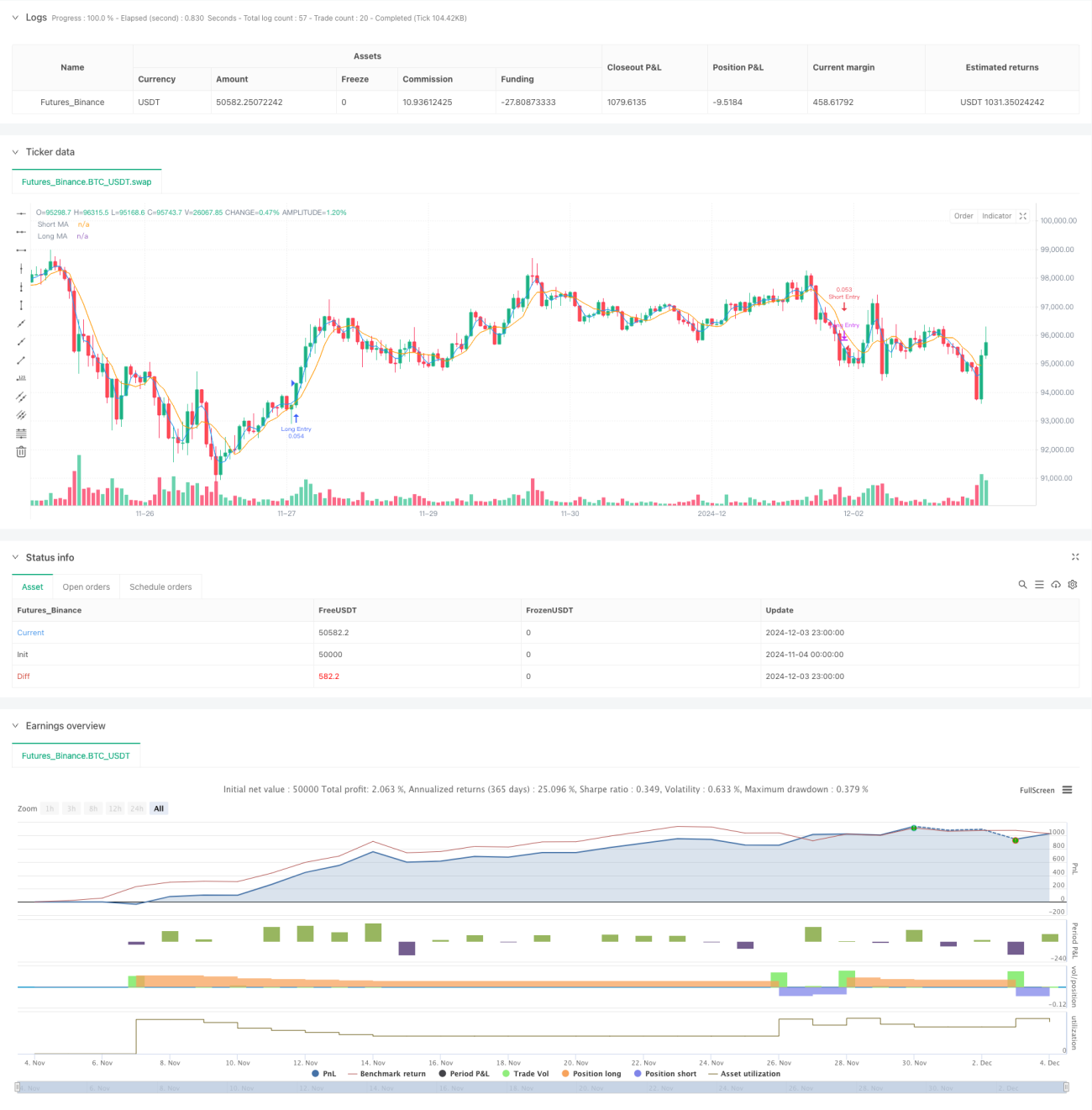
کثیر سطحی ATR متحرک منافع تجارتی حکمت عملی

ATR SMA TR MF TP SL MA AATR
تخلیق کی تاریخ: 2024-12-05 16:49:57 آخر میں ترمیم کریں: 2024-12-05 16:49:57
کاپی: 2 کلکس کی تعداد: 477
1
پر توجہ دیں
1617
پیروکار

کثیر سطحی ATR متحرک منافع تجارتی حکمت عملی

جائزہ

یہ ایک کثیر درجے کی تجارتی حکمت عملی ہے جس میں خود کو ایڈجسٹ کرنے والے اوسط حقیقی طول و عرض (ATR) کے حساب کتاب اور متحرک بنیاد پر رجحان کا پتہ لگانا شامل ہے۔ اس حکمت عملی کی سب سے نمایاں خصوصیت اس کی منفرد 7 قدمی منافع بخش میکانزم ہے۔ یہ 4 اے ٹی آر پر مبنی باہر نکلنے کی سطحوں اور 3 مقررہ فیصد کی سطحوں کو جوڑتا ہے۔ یہ ہائبرڈ طریقہ کار تاجروں کو مارکیٹ میں اتار چڑھاؤ کے مطابق متحرک طور پر ایڈجسٹ کرنے کی اجازت دیتا ہے ، جبکہ کثیر فضائی مارکیٹ میں منظم طریقے سے منافع حاصل کرتا ہے۔ حکمت عملی ، اے ٹی آر کے حساب کتاب ، رجحان کی طاقت کا پتہ لگانے اور متعدد منافع بخش میکانزم کے مجموعے کو متحرک طور پر ایڈجسٹ کرکے ، تاجروں کو ایک جامع تجارتی حل فراہم کرتی ہے۔

حکمت عملی کا اصول

اس حکمت عملی کا بنیادی حصہ مندرجہ ذیل اہم اجزاء پر مشتمل ہے:

  1. بڑھا ہوا حقیقی طول و عرض کا حساب کتاب: مارکیٹ میں اتار چڑھاؤ کی پیمائش سب سے نمایاں قیمتوں کی نقل و حرکت کو مدنظر رکھتے ہوئے کی جاتی ہے۔
  2. متحرک عنصر انٹیگریشن: حالیہ قیمتوں میں تبدیلی کی بنیاد پر اے ٹی آر کو ایڈجسٹ کریں ، تاکہ یہ زیادہ لچکدار ہو۔
  3. ایڈجسٹ اے ٹی آر حساب کتاب: روایتی اے ٹی آر کو متحرک عنصر کے مطابق ایڈجسٹ کریں ، تاکہ وہ اتار چڑھاؤ کے دوران زیادہ حساس ہو۔
  4. رجحان کی طاقت کی پیمائش: پیچیدہ الگورتھم کے ذریعہ رجحان کی طاقت کا اندازہ لگائیں۔
  5. سات قدمی منافع کا نظام: چار اے ٹی آر پر مبنی باہر نکلنے کی سطح اور تین مقررہ فیصد کی سطح شامل ہیں۔

اسٹریٹجک فوائد

  1. لچکدار: متحرک اے ٹی آر کے حساب سے مختلف مارکیٹ کے حالات کے مطابق ڈھالنا۔
  2. بہتر خطرے کا انتظام: ایک کثیر سطحی منافع بخش میکانزم ایک منظم خطرے کا کنٹرول فراہم کرتا ہے۔
  3. اعلی لچکدار: ایک ہی مؤثر طریقے سے زیادہ سے زیادہ مارکیٹ میں کام کر سکتے ہیں.
  4. پیرامیٹرز کو ایڈجسٹ کیا جاسکتا ہے: مختلف ٹریڈنگ شیلیوں کو اپنانے کے لئے متعدد ایڈجسٹ پیرامیٹرز فراہم کیے جاتے ہیں۔
  5. منظم عملدرآمد: واضح داخلے اور باہر نکلنے کے قواعد جذباتی تجارت کو کم کرتے ہیں۔

اسٹریٹجک رسک

  1. پیرامیٹرز کی حساسیت: غلط پیرامیٹرز کی ترتیب سے زیادہ تجارت یا کھوئے ہوئے مواقع پیدا ہوسکتے ہیں۔
  2. مارکیٹ کے حالات پر انحصار: شدید اتار چڑھاؤ یا افقی مارکیٹوں میں خراب کارکردگی کا امکان ہے۔
  3. پیچیدگی کا خطرہ: کثیر سطحی منافع بخش میکانزم کے نفاذ میں دشواری کا باعث بن سکتا ہے۔
  4. سلائڈ پوائنٹ کا اثر: ایک سے زیادہ فائدہ اٹھانے والوں کو سلائڈ پوائنٹ سے نمایاں طور پر متاثر کیا جاسکتا ہے۔
  5. فنڈ مینجمنٹ کی ضروریات: کثیر سطح پر منافع بخش حکمت عملی پر عملدرآمد کے لئے کافی فنڈز کی ضرورت ہے۔

حکمت عملی کی اصلاح کی سمت

  1. متحرک پیرامیٹرز ایڈجسٹمنٹ: مارکیٹ کی صورتحال کے مطابق پیرامیٹرز کو خود بخود ایڈجسٹ کریں۔
  2. مارکیٹ کے ماحول کو فلٹر کریں: مارکیٹ کے ماحول کی شناخت کا ایک طریقہ شامل کریں
  3. خطرے کے انتظام میں بہتری: متحرک نقصان کو روکنے کا طریقہ کار متعارف کرایا گیا
  4. کارکردگی کو بہتر بنانا: منافع بخش میکانزم کو آسان بنانا تاکہ اس کے اثرات کو کم کیا جاسکے۔
  5. ریٹرننگ فریم ورک کو بہتر بنانا: مزید حقیقی ٹرانزیکشن عناصر شامل کرنا

خلاصہ کریں۔

یہ حکمت عملی تاجروں کو ایک جامع تجارتی نظام فراہم کرتی ہے جس میں خود کو ایڈجسٹ کرنے والے اے ٹی آر اور کثیر سطح کے منافع بخش میکانزم شامل ہیں۔ اس کا فائدہ یہ ہے کہ یہ مارکیٹ کے مختلف حالات کے مطابق ڈھالنے کے قابل ہے ، اور اس کے ساتھ ساتھ اس کے خطرے کو منظم طریقے سے منظم کیا جاسکتا ہے۔ اگرچہ اس میں کچھ ممکنہ خطرات موجود ہیں ، لیکن مناسب اصلاح اور خطرے کے انتظام کے ساتھ ، یہ حکمت عملی ایک موثر تجارتی آلہ بن سکتی ہے۔ اس کا جدید کثیر سطح کا منافع بخش میکانزم خاص طور پر ان تاجروں کے لئے موزوں ہے جو خطرے پر قابو پانے کے ساتھ ساتھ منافع کو زیادہ سے زیادہ کرنا چاہتے ہیں۔

حکمت عملی کا ماخذ کوڈ
/*backtest
start: 2024-11-04 00:00:00
end: 2024-12-04 00:00:00
period: 1h
basePeriod: 1h
exchanges: [{"eid":"Futures_Binance","currency":"BTC_USDT"}]
*/

// This Pine Script™ code is subject to the terms of the Mozilla Public License 2.0 at https://mozilla.org/MPL/2.0/
// © PresentTrading

// The SuperATR 7-Step Profit Strategy is a multi-layered trading strategy that combines adaptive ATR and momentum-based trend detection 
// with a sophisticated 7-step take-profit mechanism. This approach utilizes four ATR-based exit levels and three fixed percentage levels, 
// enabling flexible and dynamic profit-taking in both long and short market positions.

//@version=5
strategy("SuperATR 7-Step Profit - Strategy [presentTrading] ", overlay=true, precision=3, commission_value= 0.1, commission_type=strategy.commission.percent, slippage= 1, currency=currency.USD, default_qty_type = strategy.percent_of_equity, default_qty_value = 10, initial_capital=10000)

// ————————
// User Inputs
// ————————
short_period = input.int(3, minval=1, title="Short Period")
long_period = input.int(7, minval=1, title="Long Period")
momentum_period = input.int(7, minval=1, title="Momentum Period")
atr_sma_period = input.int(7, minval=1, title="ATR SMA Period for Confirmation")
trend_strength_threshold = input.float(1.618, minval=0.0, title="Trend Strength Threshold", step=0.1)

// ————————
// Take Profit Inputs
// ————————
useMultiStepTP = input.bool(true, title="Enable Multi-Step Take Profit")

// ATR-based Take Profit Inputs
atrLengthTP = input.int(14, minval=1, title="ATR Length for Take Profit")
atrMultiplierTP1 = input.float(2.618, minval=0.1, title="ATR Multiplier for TP Level 1")
atrMultiplierTP2 = input.float(5.0, minval=0.1, title="ATR Multiplier for TP Level 2")
atrMultiplierTP3 = input.float(10.0, minval=0.1, title="ATR Multiplier for TP Level 3")
atrMultiplierTP4 = input.float(13.82, minval=0.1, title="ATR Multiplier for TP Level 4")

// Fixed Percentage Take Profit Inputs
tp_level_percent1 = input.float(3.0, minval=0.1, title="Fixed TP Level 1 (%)")
tp_level_percent2 = input.float(8.0, minval=0.1, title="Fixed TP Level 2 (%)")
tp_level_percent3 = input.float(17.0, minval=0.1, title="Fixed TP Level 3 (%)")

// Take Profit Percentages for Each Level
tp_percent_atr = input.float(10.0, minval=0.1, maxval=100, title="Percentage to Exit at Each ATR TP Level")
tp_percent_fixed = input.float(10.0, minval=0.1, maxval=100, title="Percentage to Exit at Each Fixed TP Level")


// —————————————
// Helper Functions
// —————————————

// Function to calculate True Range with enhanced volatility detection
calculate_true_range() =>
    prev_close = close[1]
    tr1 = high - low
    tr2 = math.abs(high - prev_close)
    tr3 = math.abs(low - prev_close)
    true_range = math.max(tr1, tr2, tr3)
    true_range

// ———————————————
// Indicator Calculations
// ———————————————

// Calculate True Range
true_range = calculate_true_range()

// Calculate Momentum Factor
momentum = close - close[momentum_period]
stdev_close = ta.stdev(close, momentum_period)
normalized_momentum = stdev_close != 0 ? (momentum / stdev_close) : 0
momentum_factor = math.abs(normalized_momentum)

// Calculate Short and Long ATRs
short_atr = ta.sma(true_range, short_period)
long_atr = ta.sma(true_range, long_period)

// Calculate Adaptive ATR
adaptive_atr = (short_atr * momentum_factor + long_atr) / (1 + momentum_factor)

// Calculate Trend Strength
price_change = close - close[momentum_period]
atr_multiple = adaptive_atr != 0 ? (price_change / adaptive_atr) : 0
trend_strength = ta.sma(atr_multiple, momentum_period)

// Calculate Moving Averages
short_ma = ta.sma(close, short_period)
long_ma = ta.sma(close, long_period)

// Determine Trend Signal
trend_signal = (short_ma > long_ma and trend_strength > trend_strength_threshold) ? 1 :
               (short_ma < long_ma and trend_strength < -trend_strength_threshold) ? -1 : 0

// Calculate Adaptive ATR SMA for Confirmation
adaptive_atr_sma = ta.sma(adaptive_atr, atr_sma_period)

// Determine if Trend is Confirmed with Price Action
trend_confirmed = (trend_signal == 1 and close > short_ma and adaptive_atr > adaptive_atr_sma) or (trend_signal == -1 and close < short_ma and adaptive_atr > adaptive_atr_sma)

// —————————————
// Trading Logic
// —————————————

// Entry Conditions
long_entry = trend_confirmed and trend_signal == 1
short_entry = trend_confirmed and trend_signal == -1

// Exit Conditions
long_exit = strategy.position_size > 0 and short_entry
short_exit = strategy.position_size < 0 and long_entry


// Execute Long Trades
if long_entry
    strategy.entry("Long Entry", strategy.long)
if long_exit
    strategy.close("Long Entry")

// Execute Short Trades
if short_entry
    strategy.entry("Short Entry", strategy.short)
if short_exit
    strategy.close("Short Entry")

// ————————————————
// Multi-Step Take Profit Logic
// ————————————————

if useMultiStepTP
    // Calculate ATR for Take Profit Levels
    atrValueTP = ta.atr(atrLengthTP)

    // Long Position Take Profit Levels
    if strategy.position_size > 0
        // ATR-based Take Profit Prices
        tp_priceATR1_long = strategy.position_avg_price + atrMultiplierTP1 * atrValueTP
        tp_priceATR2_long = strategy.position_avg_price + atrMultiplierTP2 * atrValueTP
        tp_priceATR3_long = strategy.position_avg_price + atrMultiplierTP3 * atrValueTP
        tp_priceATR4_long = strategy.position_avg_price + atrMultiplierTP4 * atrValueTP

        // Fixed Percentage Take Profit Prices
        tp_pricePercent1_long = strategy.position_avg_price * (1 + tp_level_percent1 / 100)
        tp_pricePercent2_long = strategy.position_avg_price * (1 + tp_level_percent2 / 100)
        tp_pricePercent3_long = strategy.position_avg_price * (1 + tp_level_percent3 / 100)

        // Set ATR-based Take Profit Exits
        strategy.exit("TP ATR 1 Long", from_entry="Long Entry", qty_percent=tp_percent_atr, limit=tp_priceATR1_long)
        strategy.exit("TP ATR 2 Long", from_entry="Long Entry", qty_percent=tp_percent_atr, limit=tp_priceATR2_long)
        strategy.exit("TP ATR 3 Long", from_entry="Long Entry", qty_percent=tp_percent_atr, limit=tp_priceATR3_long)
        strategy.exit("TP ATR 4 Long", from_entry="Long Entry", qty_percent=tp_percent_atr, limit=tp_priceATR4_long)

        // Set Fixed Percentage Take Profit Exits
        strategy.exit("TP Percent 1 Long", from_entry="Long Entry", qty_percent=tp_percent_fixed, limit=tp_pricePercent1_long)
        strategy.exit("TP Percent 2 Long", from_entry="Long Entry", qty_percent=tp_percent_fixed, limit=tp_pricePercent2_long)
        strategy.exit("TP Percent 3 Long", from_entry="Long Entry", qty_percent=tp_percent_fixed, limit=tp_pricePercent3_long)

    // Short Position Take Profit Levels
    if strategy.position_size < 0
        // ATR-based Take Profit Prices
        tp_priceATR1_short = strategy.position_avg_price - atrMultiplierTP1 * atrValueTP
        tp_priceATR2_short = strategy.position_avg_price - atrMultiplierTP2 * atrValueTP
        tp_priceATR3_short = strategy.position_avg_price - atrMultiplierTP3 * atrValueTP
        tp_priceATR4_short = strategy.position_avg_price - atrMultiplierTP4 * atrValueTP

        // Fixed Percentage Take Profit Prices
        tp_pricePercent1_short = strategy.position_avg_price * (1 - tp_level_percent1 / 100)
        tp_pricePercent2_short = strategy.position_avg_price * (1 - tp_level_percent2 / 100)
        tp_pricePercent3_short = strategy.position_avg_price * (1 - tp_level_percent3 / 100)

        // Set ATR-based Take Profit Exits
        strategy.exit("TP ATR 1 Short", from_entry="Short Entry", qty_percent=tp_percent_atr, limit=tp_priceATR1_short)
        strategy.exit("TP ATR 2 Short", from_entry="Short Entry", qty_percent=tp_percent_atr, limit=tp_priceATR2_short)
        strategy.exit("TP ATR 3 Short", from_entry="Short Entry", qty_percent=tp_percent_atr, limit=tp_priceATR3_short)
        strategy.exit("TP ATR 4 Short", from_entry="Short Entry", qty_percent=tp_percent_atr, limit=tp_priceATR4_short)

        // Set Fixed Percentage Take Profit Exits
        strategy.exit("TP Percent 1 Short", from_entry="Short Entry", qty_percent=tp_percent_fixed, limit=tp_pricePercent1_short)
        strategy.exit("TP Percent 2 Short", from_entry="Short Entry", qty_percent=tp_percent_fixed, limit=tp_pricePercent2_short)
        strategy.exit("TP Percent 3 Short", from_entry="Short Entry", qty_percent=tp_percent_fixed, limit=tp_pricePercent3_short)


// ——————————
// Plotting
// ——————————

plot(short_ma, color=color.blue, title="Short MA")
plot(long_ma, color=color.orange, title="Long MA")

// Plot Buy and Sell Signals
//plotshape(long_entry, title="Long Entry", style=shape.triangleup, location=location.belowbar, color=color.green, size=size.small, text="Buy")
//plotshape(short_entry, title="Short Entry", style=shape.triangledown, location=location.abovebar, color=color.red, size=size.small, text="Sell")

// Optional: Plot Trend Strength for analysis
// Uncomment the lines below to display Trend Strength on a separate chart pane
// plot(trend_strength, title="Trend Strength", color=color.gray)
// hline(trend_strength_threshold, title="Trend Strength Threshold", color=color.gray, linestyle=hline.style_dashed)
// hline(-trend_strength_threshold, title="Trend Strength Threshold", color=color.gray, linestyle=hline.style_dashed)