Chiến lược định lượng dao động chủ đạo bởi dòng tiền

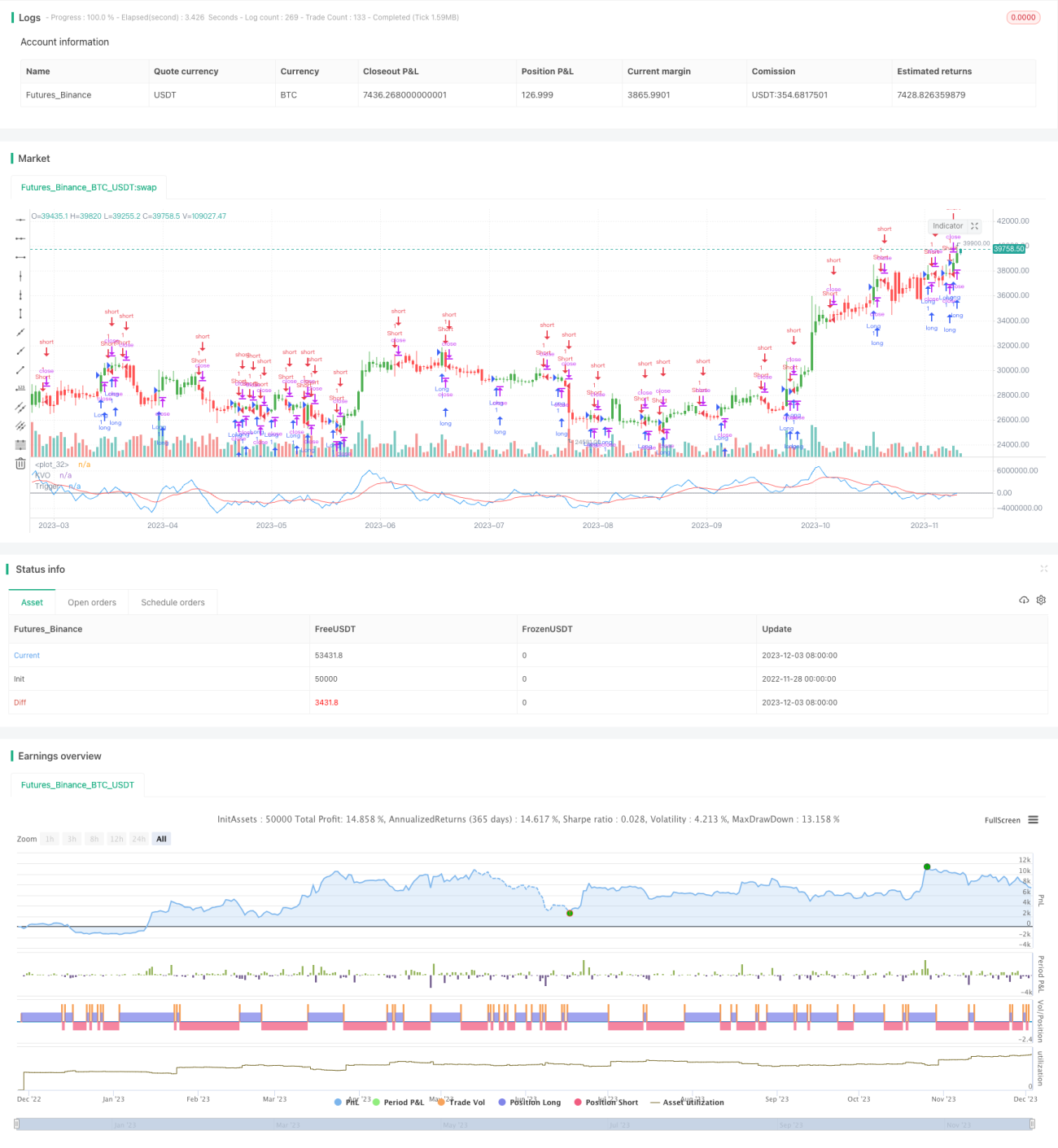
Đây là chiến lược giao dịch dựa trên chỉ báo khối lượng Klinger. Chiến lược này nắm bắt sự thay đổi của lực mua và bán trong biến động giá, nhằm phát hiện các điểm đảo chiều của xu hướng thị trường. Ưu điểm của nó là độ nhạy và độ chính xác, có thể áp dụng đồng thời cho cả phân tích ngắn hạn và dài hạn. Tuy nhiên, cũng tồn tại một số rủi ro cần lưu ý.
Nguyên lý chiến lược
Chiến lược này được xây dựng trên các cơ sở lý thuyết sau:
- Biên độ giá (giá cao nhất - giá thấp nhất) phản ánh mức độ biến động giá, còn khối lượng là động lực thúc đẩy biến động giá.
- Nếu tổng giá cao nhất + giá thấp nhất + giá đóng cửa của ngày hôm nay lớn hơn so với ngày hôm trước, điều đó cho thấy lực mua được tăng cường, mang tính tích lũy; ngược lại là sự phân phối.
- Sự thay đổi liên tục của khối lượng phản ánh sự thay đổi lực lượng giữa người mua và người bán.
Dựa trên các lý thuyết này, chiến lược tính toán chỉ báo khối lượng Klinger bằng cách so sánh tổng giá đóng cửa của ngày hôm nay với ngày hôm trước, kết hợp với sự thay đổi khối lượng. Khi chỉ báo cắt lên trên đường trung bình động của chính nó thì mở vị thế mua, khi cắt xuống thì mở vị thế bán.
Cụ thể, chiến lược tích hợp ba chỉ báo:
- xTrend: phản ánh sức mạnh của xu hướng biến động giá, dựa trên sự so sánh tổng giá đóng cửa của ngày hôm nay với ngày hôm trước.
- xFast: đường trung bình động nhanh của xTrend, tham số là 34 ngày.
- xSlow: đường trung bình động chậm của xTrend, tham số là 55 ngày.
Sau đó tính hiệu số xKVO làm chỉ báo giao dịch. Khi nó cắt lên trên đường trung bình động 13 ngày xTrigger thì mua, khi cắt xuống thì bán.
Ưu điểm của chiến lược
Ưu điểm lớn nhất của chiến lược này là phù hợp đồng thời cho cả phân tích ngắn hạn và dài hạn. Việc thiết lập tham số cho các đường trung bình động nhanh và chậm giúp nó nhạy bén bắt được các thay đổi của xu hướng ngắn hạn. Đồng thời, nó cũng có thể lọc bỏ nhiễu thị trường ngắn hạn và nắm bắt xu hướng dài hạn. Đây là điều mà nhiều chỉ báo theo dõi giá khó có thể làm được.
Ngoài ra, chiến lược này chỉ dựa trên giá và khối lượng để tính toán. Không cần tính toán các chỉ báo toán học phức tạp, hiệu suất tính toán cao, phù hợp với ứng dụng giao dịch thực tế.
Rủi ro và biện pháp đối phó
Rủi ro lớn nhất của chiến lược này là khả năng phân biệt phá vỡ giả (false breakout) của chỉ báo khối lượng còn yếu. Khi giá có sự điều chỉnh ngắn hạn và phá vỡ lên trên đường trung bình động, chiến lược có thể phát ra tín hiệu mua sai. Lúc này cần kết hợp các yếu tố khác để đánh giá xu hướng.
Ngoài ra, chiến lược này khá nhạy cảm với việc thiết lập tham số. Các tham số của đường trung bình động nhanh, chậm và đường trung bình giao dịch cần được kiểm tra và tối ưu hóa nhiều lần để đạt được hiệu suất tốt nhất.
Tối ưu hóa chiến lược
Dựa trên phân tích rủi ro, chúng ta có thể tối ưu hóa thêm chiến lược này từ các khía cạnh sau:
-
Thêm cơ chế dừng lỗ. Khi giá giảm trở lại một tỷ lệ nhất định thì thoát lệnh dừng lỗ, có thể giảm nhiễu từ các điều chỉnh ngắn hạn.
-
Thêm bộ lọc xu hướng. Kết hợp các chỉ báo trung bình động hàm mũ như MACD để đánh giá xu hướng tổng thể của thị trường, tránh bị sai hướng trong các thị trường đi ngang.
-
Tối ưu hóa cài đặt tham số. Tìm kiếm bộ tham số tốt nhất thông qua dữ liệu backtest lịch sử để nâng cao tính ổn định của chiến lược.
-
Tối ưu hóa quản lý vốn ban đầu. Ví dụ như điều chỉnh linh hoạt quy mô vị thế dựa trên tình hình chốt lời và cắt lỗ.
Tổng kết
Chiến lược này nắm bắt sự thay đổi của lực mua bán trên thị trường thông qua mối quan hệ giữa tổng giá và khối lượng, đồng thời cân bằng giữa độ nhạy và độ ổn định. Với điều kiện tối ưu hóa cài đặt tham số và kết hợp đánh giá xu hướng, chiến lược có thể đạt được hiệu suất tốt. Tuy nhiên, nhà giao dịch vẫn cần cảnh giác với rủi ro do chính những hạn chế của chỉ báo mang lại.
Kết luận
Nhìn chung, chiến lược này nắm bắt sự thay đổi của lực lượng thị trường bằng cách so sánh số lượng giá và khối lượng cho cả độ nhạy và độ ổn định. Nó có thể hoạt động tốt với các tham số được tối ưu hóa và xác nhận xu hướng, nhưng những hạn chế cố hữu của chỉ báo khối lượng vẫn có thể gây rủi ro cho nhà giao dịch.
/*backtest
start: 2022-11-28 00:00:00
end: 2023-12-04 00:00:00
period: 1d
basePeriod: 1h
exchanges: [{"eid":"Futures_Binance","currency":"BTC_USDT"}]
*/

//@version=2
////////////////////////////////////////////////////////////
//  Copyright by HPotter v1.0 30/08/2017
// The Klinger Oscillator (KO) was developed by Stephen J. Klinger. Learning - 1