Chiến lược backtesting dải sóng số nguyên tố

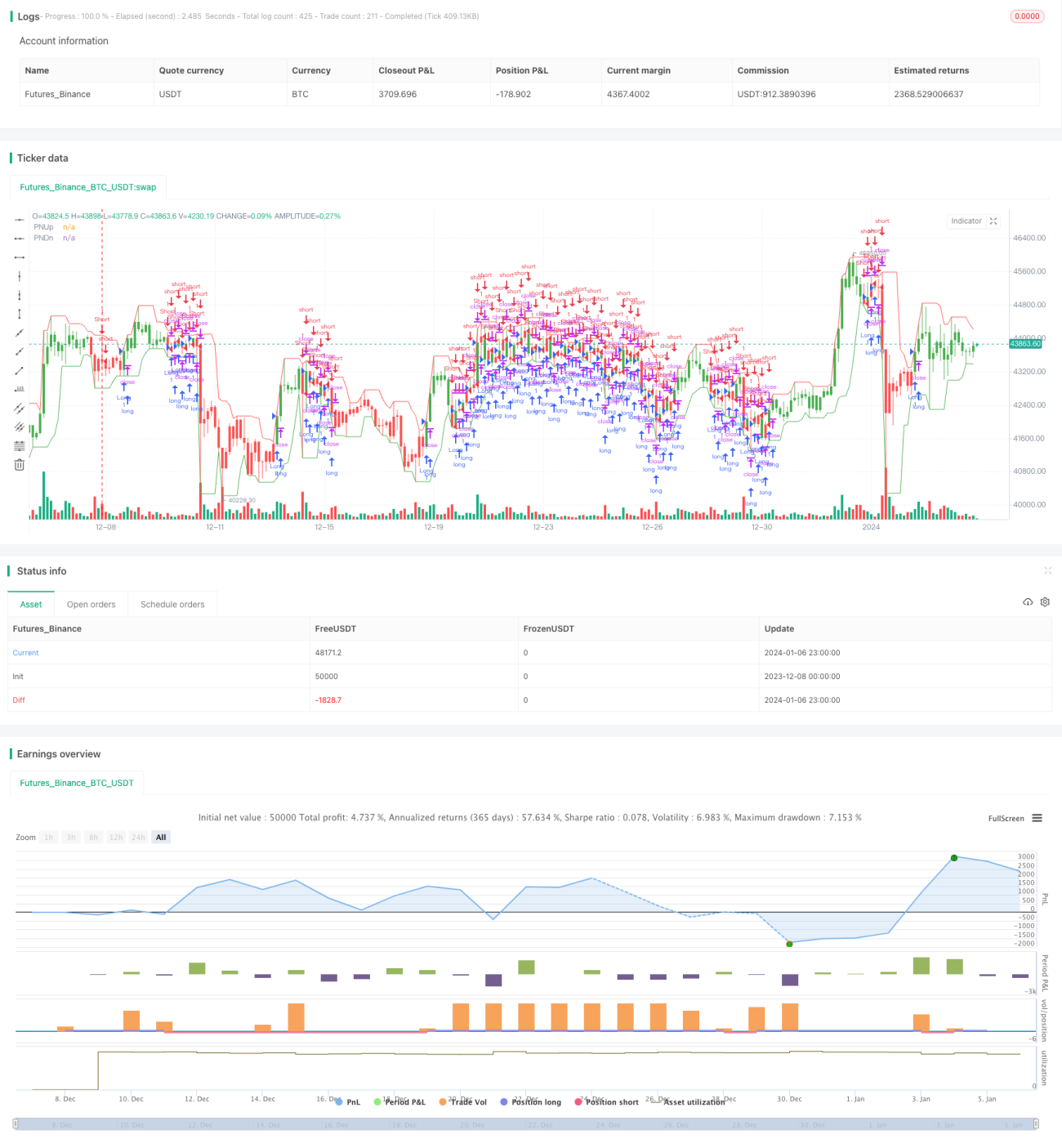
Tổng quan
Chiến lược backtest dải số nguyên tố xác định xu hướng thị trường bằng cách nhận diện số nguyên tố cao nhất và thấp nhất gần giá, sau đó vẽ hai chuỗi số nguyên tố này thành một dải. Chiến lược này được phát triển bởi công ty tài chính mô hình (Modulus Financial Engineering).
Nguyên lý chiến lược
- Dựa trên phần trăm dung sai
percentđầu vào, duyệt qua phạm vi dao động dương và âm của một mức giá cụ thể để tìm số nguyên tố cao nhất và thấp nhất. - Sử dụng hàm
highestvàlowestđể lấy điểm cao nhất và thấp nhất của dải số nguyên tố trong N nến gần nhất. - Xác định xem giá đóng cửa có phá vỡ điểm cao nhất hoặc thấp nhất của dải số nguyên tố hay không để quyết định hướng mua (long) hoặc bán (short).
- Có thể chọn đảo ngược tín hiệu giao dịch.
Phân tích ưu điểm
- Tận dụng tính chất ngẫu nhiên và phân bố không đều của số nguyên tố để nắm bắt tính ngẫu nhiên của thị trường.
- Dải số nguyên tố có độ trễ nhất định, có thể lọc bỏ một phần nhiễu.
- Giới hạn trên và dưới của dải số nguyên tố linh hoạt, có thể điều chỉnh phần trăm dung sai để thích ứng với các chu kỳ và sản phẩm giao dịch khác nhau.
Phân tích rủi ro
- Dải số nguyên tố không hoàn toàn phù hợp với biến động giá, tồn tại độ trễ nhất định.
- Sự đảo chiều giá (cực thịnh tất suy) có thể dẫn đến tín hiệu sai.
- Nếu phần trăm dung sai được đặt quá lớn, có thể lọc bỏ một số tín hiệu hiệu quả.
Có thể giảm thiểu rủi ro bằng cách điều chỉnh tham số phù hợp, kết hợp với các chỉ báo khác, v.v.
Hướng tối ưu hóa
- Có thể kết hợp với các chỉ báo như đường trung bình động để thiết lập tín hiệu kích hoạt với điều kiện kép.
- Có thể nghiên cứu sử dụng các số ngẫu nhiên khác, chẳng hạn như số Fibonacci.
- Có thể đưa vào các thuật toán học máy để tự động tối ưu hóa tham số.
Kết luận
Chiến lược backtest dải số nguyên tố nhìn chung là một chiến lược rất sáng tạo và có giá trị thực tiễn. Nó sử dụng đặc tính của số nguyên tố để nắm bắt tính ngẫu nhiên của thị trường, đồng thời cũng xem xét độ trễ của giá để nhận diện xu hướng, có giá trị nghiên cứu cao. Các bước tiếp theo có thể tối ưu hóa từ các khía cạnh như nâng cao chất lượng tín hiệu, mở rộng loại số ngẫu nhiên, tự động hóa tối ưu, v.v., giúp chiến lược đạt hiệu quả vượt trội hơn.
/*backtest
start: 2023-12-08 00:00:00
end: 2024-01-07 00:00:00
period: 3h
basePeriod: 15m
exchanges: [{"eid":"Futures_Binance","currency":"BTC_USDT"}]
*/

//@version=2
////////////////////////////////////////////////////////////
//  Copyright by HPotter v1.0 27/03/2018
// Determining market trends has become a science even though a high number - 1