Chiến lược cây quyết định đa chỉ báo: IMACD, EMA và Ichimoku

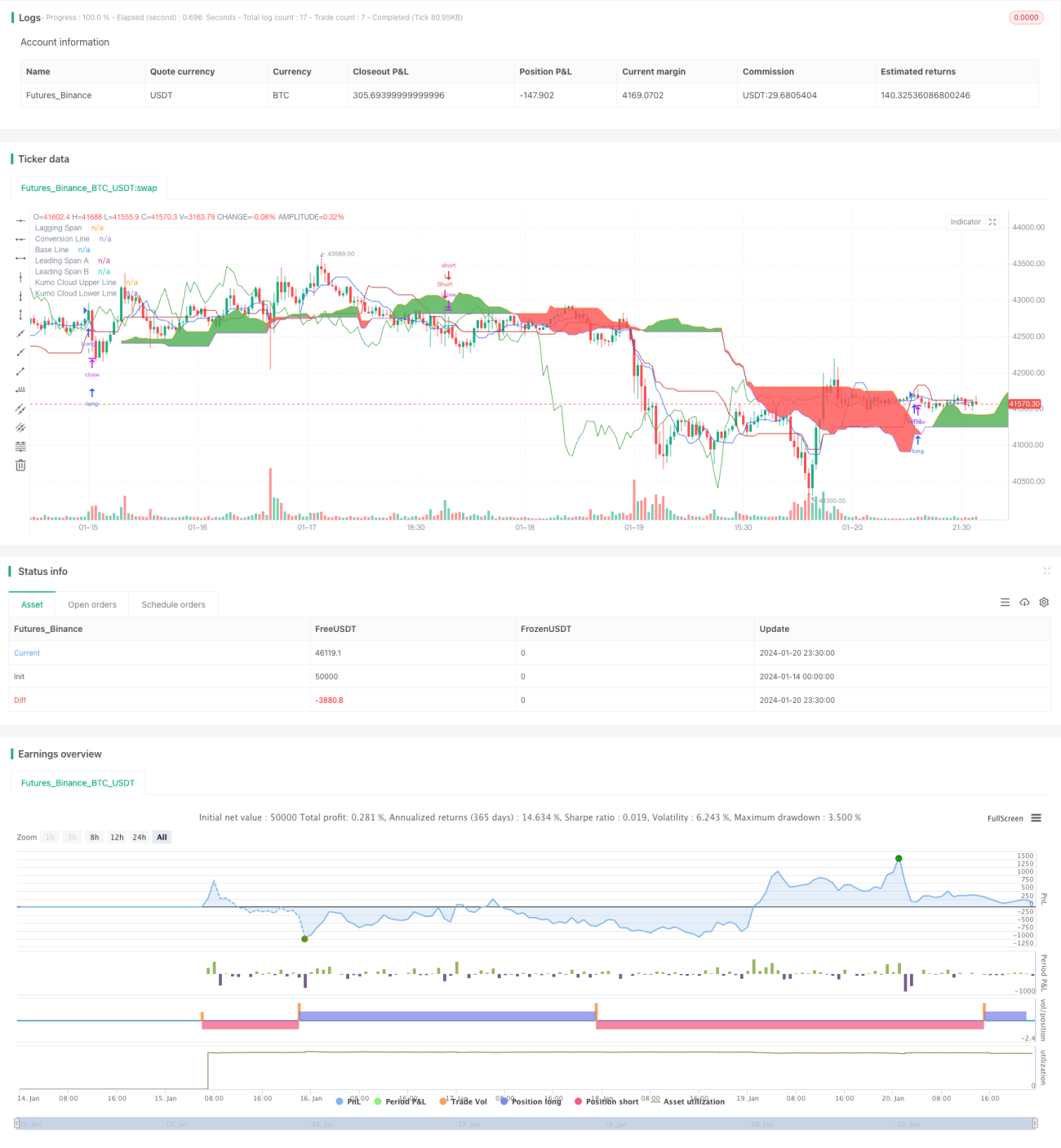
Tổng quan
Chiến lược này kết hợp nhiều chỉ báo kỹ thuật như IMACD, EMA và Ichimoku Kinko Hyo để xây dựng một mô hình cây quyết định toàn diện nhằm phát ra tín hiệu mua và bán.
Nguyên lý chiến lược
- IMACD: MACD cải tiến, sử dụng ImpulseMACD và ImpulseHisto để nắm bắt xu hướng thị trường tốt hơn
- Ichimoku Kinko Hyo: Vẽ đường chuyển đổi (Tenkan-sen), đường cơ sở (Kijun-sen), đường dẫn trước A (Senkou Span A), đường dẫn trước B (Senkou Span B), phát hiện các mức hỗ trợ và kháng cự
- EMA 40: Hỗ trợ xác định hướng xu hướng
- Dựa vào mối quan hệ cụ thể giữa IMACD, các thành phần của đám mây Ichimoku và EMA 40 để phát ra tín hiệu mua và bán
Tín hiệu mua: Khi IMACD có màu đáp ứng điều kiện cụ thể và EMA 40 nằm trên dải trên của đám mây, thực hiện mua
Tín hiệu bán: Khi IMACD có màu đỏ và EMA 40 nằm dưới dải dưới của đám mây, thực hiện bán
Phân tích lợi thế
- Kết hợp nhiều chỉ báo, đánh giá tổng thể xu hướng thị trường, nâng cao độ chính xác của quyết định
- Mô hình cây quyết định phân loại rõ ràng, tín hiệu giao dịch được tạo ra một cách minh bạch
- Độ dài EMA có thể điều chỉnh, tăng tính linh hoạt trong việc hỗ trợ đánh giá
- Kết hợp đám mây và các chỉ báo xu hướng, nhận diện hỗ trợ và kháng cự tốt hơn
Phân tích rủi ro
- Kết hợp nhiều chỉ báo, cài đặt tham số phức tạp
- Cài đặt độ dài EMA không phù hợp có thể dẫn đến tín hiệu giao dịch giả
- Cần theo dõi đồng thời nhiều chỉ báo, độ khó thao tác cao
Giải pháp rủi ro: Tối ưu hóa cài đặt tham số, điều chỉnh độ dài EMA, đơn giản hóa quy trình thao tác.
Hướng tối ưu hóa
- Tối ưu hóa cài đặt tham số, nâng cao độ ổn định của chiến lược
- Thêm chiến lược cắt lỗ, kiểm soát tổn thất từng lệnh
- Dựa trên dữ liệu khối lượng lớn để backtest, cải thiện chất lượng tín hiệu
- Kết hợp thuật toán học máy, xây dựng cây quyết định thích ứng
Tổng kết
Chiến lược này kết hợp nhiều chỉ báo để nhận diện xu hướng, xây dựng mô hình cây quyết định tạo ra tín hiệu giao dịch. Ưu điểm là chất lượng tín hiệu cao, độ chính xác cao, phù hợp tối ưu hóa dần dần. Cần chú trọng tối ưu hóa tham số và chiến lược cắt lỗ để kiểm soát rủi ro giao dịch, từ đó đạt được lợi nhuận ổn định dài hạn.
- 1