Chiến lược theo xu hướng dựa trên DMI và RSI

##Tổng quan
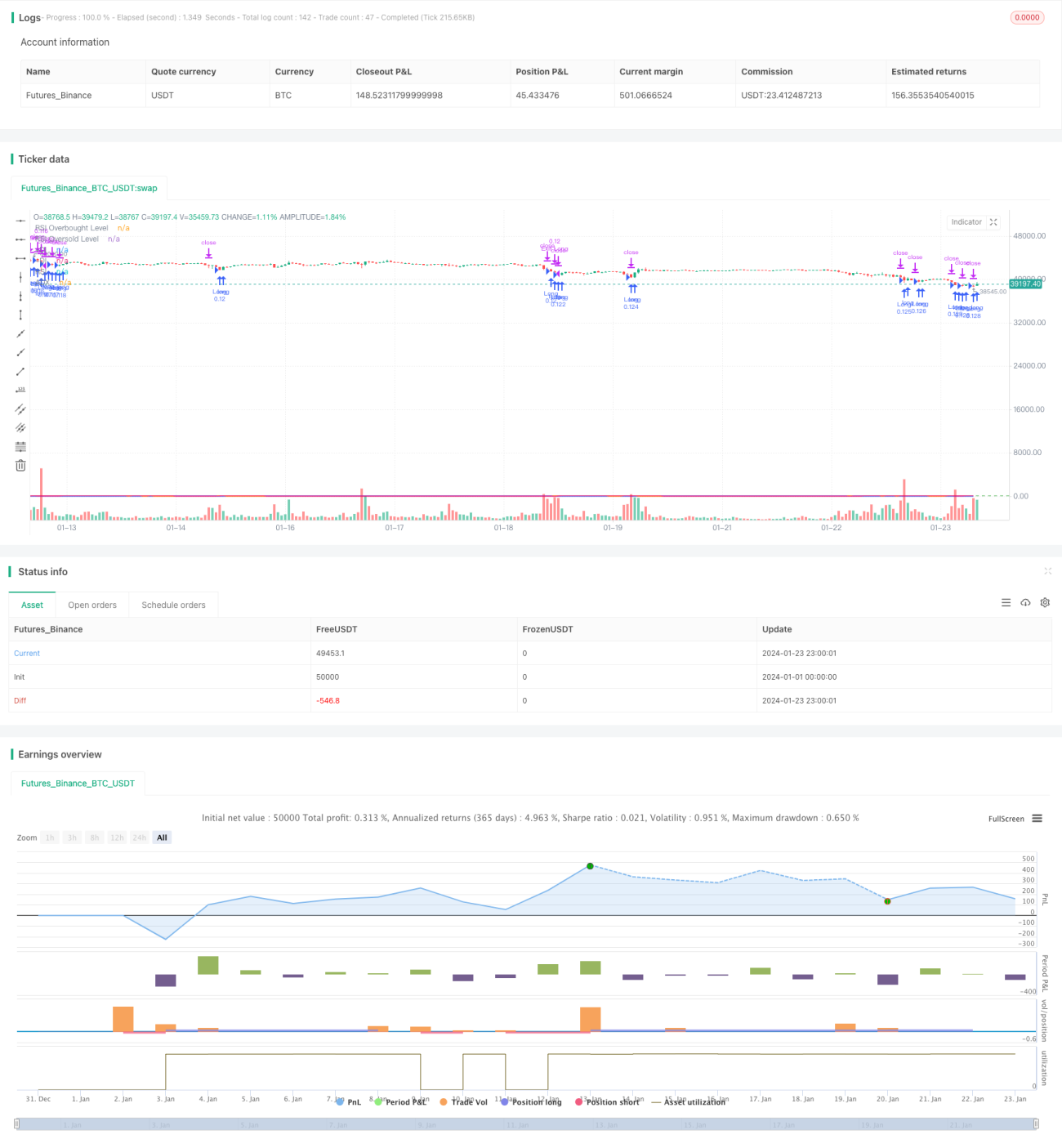
Chiến lược này kết hợp chỉ báo DMI để xác định hướng xu hướng và chỉ báo RSI để xác định tình trạng quá mua/quá bán, tạo thành một chiến lược giao dịch theo xu hướng khá hoàn chỉnh. Khi chỉ báo DMI xác định có xu hướng và chỉ báo RSI hiển thị quá mua hoặc quá bán, thì sẽ tương ứng vào lệnh long hoặc short. Đồng thời, cài đặt trailing stop để chốt lời.
##Nguyên lý chiến lược
- Sử dụng chỉ báo DMI để xác định hướng xu hướng
- DMI bao gồm ba đường: +DI thể hiện xu hướng tăng, -DI thể hiện xu hướng giảm, ADX đánh giá sức mạnh xu hướng
- Khi +DI > -DI là xu hướng tăng, vào lệnh long; khi -DI > +DI là xu hướng giảm, vào lệnh short
- Sử dụng chỉ báo RSI để xác định quá mua/quá bán
- RSI so sánh mức tăng và giảm trung bình trong một khoảng thời gian để xác định quá mua hoặc quá bán
- RSI dưới 30 là quá bán, trên 70 là quá mua
- Kết hợp DMI xác định hướng xu hướng và RSI xác định quá mua/quá bán có thể nắm bắt nhịp điệu thị trường tốt hơn
- Khi DMI xác định có xu hướng tăng và RSI quá bán, là thời điểm vào lệnh long tốt
- Khi DMI xác định có xu hướng giảm và RSI quá mua, là thời điểm vào lệnh short tốt
- Cài đặt trailing stop để chốt lời
##Phân tích ưu điểm
Đây là một chiến lược giao dịch theo xu hướng khá ổn định và trưởng thành, có các ưu điểm sau:
- Kết hợp xác định xu hướng và xác định quá mua/quá bán, tránh giao dịch thường xuyên trong thị trường dao động (sideway)
- Sử dụng các chỉ báo phổ biến DMI và RSI, dễ dàng chọn tham số, đã được kiểm chứng thực tế đầy đủ
- Cài đặt trailing stop để chốt lời, có thể tránh cắt lỗ ở một mức độ nhất định
- Quy tắc rõ ràng dễ hiểu, lập trình đơn giản, dễ thực hành
##Phân tích rủi ro
Chiến lược này cũng có một số rủi ro cần lưu ý:
- Cả DMI và RSI đều dễ tạo ra tín hiệu giả, có thể dẫn đến thua lỗ không đáng có
- Cài đặt trailing stop không phù hợp có thể cắt lỗ quá sớm hoặc biên độ cắt lỗ quá lớn
- Không có khả năng lọc hiệu quả các phiên dao động, dễ bị kẹt lệnh
- Là chiến lược theo xu hướng, khi xu hướng đảo chiều không thể cắt lỗ kịp thời
##Hướng tối ưu hóa
Chiến lược này có thể được tối ưu hóa từ các khía cạnh sau:
- Kết hợp chỉ báo biến động để lọc các phiên dao động
- Kết hợp nhận dạng nến (candle) để tránh phá vỡ giả
- Đặt cắt lỗ phù hợp gần các mức hỗ trợ/kháng cự quan trọng để hạn chế thua lỗ
- Thêm mô hình học máy để xác định xu hướng ython
- Tối ưu hóa động các tham số của DMI và RSI
##Kết luận
Nhìn chung, chiến lược này là một chiến lược giao dịch theo xu hướng khá ổn định và thực tế, thông qua DMI xác định hướng xu hướng và RSI xác định quá mua/quá bán, từ đó nắm bắt các cơ hội giao dịch trung và dài hạn. Đồng thời, cài đặt trailing stop để chốt lời. Chiến lược này có tham số đơn giản, quy tắc giao dịch rõ ràng, dễ thực hành. Tuy nhiên, cũng tồn tại rủi ro bị kẹt lệnh và cắt lỗ không kịp thời. Bằng cách tối ưu hóa một số tham số và mô hình, hiệu quả của chiến lược này có thể được cải thiện.
- 1