Chiến lược gạch động lượng

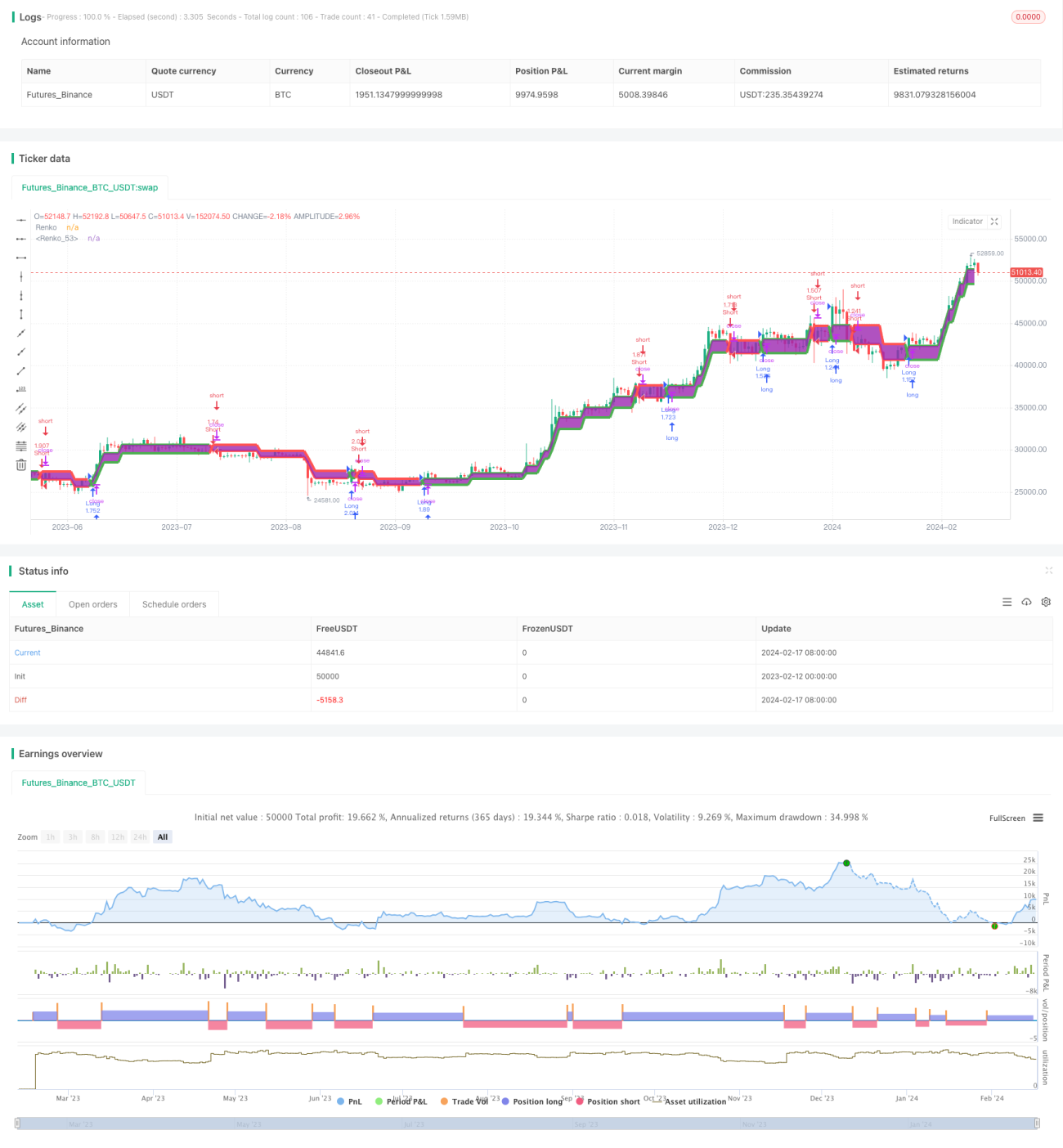
Chiến lược này mô phỏng sự hình thành của các viên gạch để đánh giá sự thay đổi động lượng thị trường, và thực hiện lệnh mua/bán theo hướng của viên gạch.
Nguyên lý chiến lược
Nguyên lý cốt lõi của chiến lược này là mô phỏng sự hình thành của các viên gạch thông qua mối quan hệ giữa ATR và giá đóng cửa. Cụ thể, xác định hai biến Brick1 và Brick2.
Phương pháp tính Brick1: Nếu giá đóng cửa vượt quá giá trị Brick1 ngày hôm trước + ATR, thì Brick1 bằng Brick1 ngày hôm trước + ATR; nếu giá đóng cửa thấp hơn Brick1 ngày hôm trước - ATR, thì Brick1 bằng Brick1 ngày hôm trước - ATR; nếu không, Brick1 giữ nguyên giá trị ngày hôm trước.
Phương pháp tính Brick2: Nếu giá trị Brick1 khác với Brick1 ngày hôm trước, thì Brick2 bằng Brick1 ngày hôm trước; nếu không, Brick2 giữ nguyên giá trị ngày hôm trước.
Điều này mô phỏng sự hình thành của các viên gạch. Khi Brick1 tăng vượt quá một ATR, hình thành một viên gạch tăng; khi Brick1 giảm vượt quá một ATR, hình thành một viên gạch giảm. Brick2 ghi lại vị trí của viên gạch trước đó.
Khi Brick1 và Brick2 cắt nhau lên (vượt lên trên), điều đó cho thấy viên gạch đang mở rộng lên trên, được xác định là xu hướng tăng; khi Brick1 và Brick2 cắt nhau xuống (vượt xuống dưới), điều đó cho thấy viên gạch đang thu hẹp xuống dưới, được xác định là xu hướng giảm.
Ưu điểm của chiến lược
- Sử dụng ATR để xác định sự hình thành của viên gạch, tránh sử dụng kích thước gạch cố định, có thể thích ứng linh hoạt với biến động thị trường.
- Xác định hướng tăng/giảm thông qua giao cắt của các viên gạch, nhận diện sự thay đổi động lượng.
- Có thể điều chỉnh độ nhạy khi đánh giá động lượng thị trường bằng cách thay đổi chu kỳ ATR khác nhau.
- Hình ảnh trực quan về sự hình thành và giao cắt của viên gạch giúp dễ dàng nhận định xu hướng thị trường.
Rủi ro của chiến lược
- Việc lựa chọn kích thước ATR ảnh hưởng đến tỷ suất lợi nhuận của chiến lược. Nếu ATR quá nhỏ, sẽ hình thành quá nhiều viên gạch, tạo ra nhiều tín hiệu không hiệu quả; nếu ATR quá lớn, sẽ có quá ít viên gạch, dễ bỏ lỡ cơ hội.
- Diễn biến thực tế có thể không tuân theo hình dạng của viên gạch, tín hiệu giao cắt của viên gạch có thể bị phủ nhận bởi sự đảo chiều thị trường.
- Cần rất nhạy cảm với chi phí giao dịch, nếu không giao dịch thường xuyên khi gạch giao cắt sẽ làm giảm đáng kể lợi nhuận ròng.
Có thể tìm chu kỳ ATR tối ưu thông qua tối ưu hóa tham số; điều chỉnh chiến lược chốt lời/cắt lỗ để giảm thiểu tổn thất từ các tín hiệu không hiệu quả; mở rộng hợp lý các công cụ giao dịch để giảm tác động của chi phí lên lợi nhuận.
Tối ưu hóa chiến lược
- Có thể kết hợp các chỉ báo khác để lọc tín hiệu, ví dụ chỉ báo khối lượng, chỉ báo dao động, v.v., tránh các tín hiệu không hiệu quả.
- Thêm bộ lọc xu hướng, chỉ đưa ra tín hiệu khi cùng hướng với xu hướng, tránh tổn thất do đảo chiều.
- Áp dụng phương pháp tối ưu hóa tham số trên toàn bộ mẫu trong thời gian thử nghiệm để tự động tìm ra tham số tối ưu.
Tổng kết
Chiến lược này đánh giá xu hướng ngắn hạn và trung hạn cũng như động lượng thị trường thông qua việc mô phỏng động các giao cắt của viên gạch, hình ảnh trực quan. Chiến lược có nhiều không gian tối ưu hóa, việc tối ưu hóa tham số và lọc tín hiệu có thể cải thiện thêm tính ổn định.
- 1