Chiến lược giao dịch biến động nội ngày có thể mở rộng

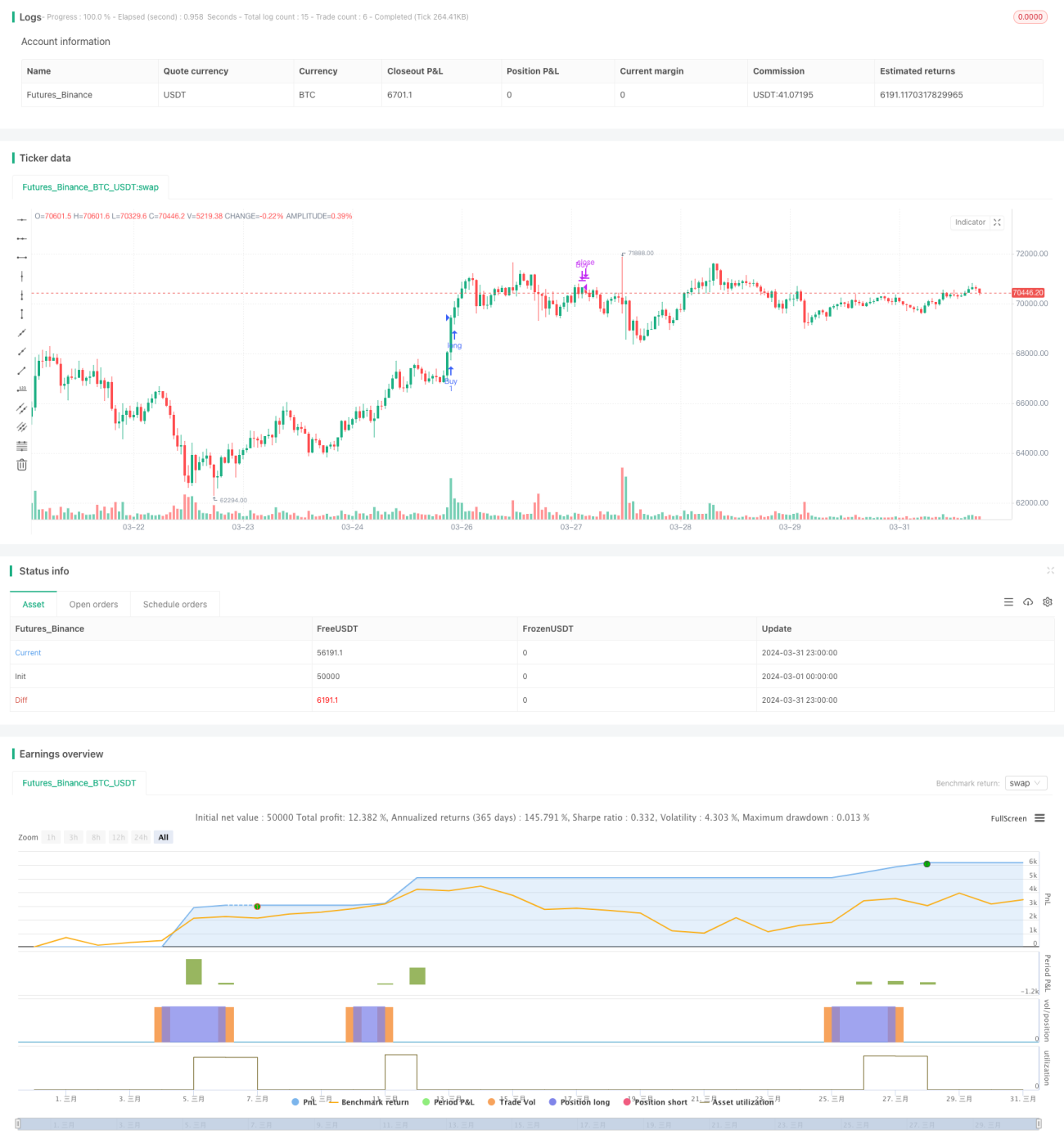
[trans]
Tổng quan
Chiến lược này là một chiến lược giao dịch biến động có thể mở rộng dựa trên giao dịch trong ngày. Nó kết hợp nhiều chỉ báo kỹ thuật và điều kiện thị trường, bao gồm biến động, khối lượng, phạm vi giá, chỉ báo kỹ thuật và chất xúc tác mới, để tìm kiếm các cơ hội giao dịch mua và bán tiềm năng. Chiến lược sử dụng chỉ báo ATR để đo lường biến động thị trường và xác định có nên giao dịch hay không dựa trên mức độ biến động. Đồng thời, chiến lược cũng xem xét các yếu tố như khối lượng giao dịch, phạm vi giá, chỉ báo kỹ thuật và chất xúc tác mới để nâng cao độ tin cậy của tín hiệu giao dịch.
Nguyên lý chiến lược
Nguyên lý cốt lõi của chiến lược này là sử dụng nhiều yếu tố như biến động thị trường, khối lượng giao dịch, phạm vi giá, chỉ báo kỹ thuật và chất xúc tác mới để đánh giá toàn diện xu hướng thị trường và các cơ hội giao dịch tiềm năng. Cụ thể, chiến lược sử dụng các bước sau để tạo tín hiệu giao dịch:
-
Tính toán chỉ báo ATR để đo lường biến động thị trường. Khi giá trị ATR hiện tại lớn hơn 1,2 lần giá trị ATR trước đó, điều đó cho thấy thị trường đang ở trạng thái biến động cao.
-
Xác định xem khối lượng giao dịch hiện tại có lớn hơn đường trung bình động đơn giản của khối lượng trong 50 kỳ hay không. Điều kiện này đảm bảo giao dịch được thực hiện khi khối lượng giao dịch tương đối lớn, nhằm nâng cao độ tin cậy.
-
Tính phạm vi giá (giá cao nhất - giá thấp nhất) của phiên giao dịch hiện tại và xác định xem nó có lớn hơn 0,005 hay không. Điều kiện này đảm bảo giao dịch được thực hiện khi giá biến động lớn, nhằm thu được nhiều lợi nhuận tiềm năng hơn.
-
Sử dụng hai đường trung bình động đơn giản (5 ngày và 20 ngày) để xác định xu hướng thị trường. Khi đường trung bình động 5 ngày nằm trên đường trung bình động 20 ngày, cho thấy thị trường đang trong xu hướng mua; ngược lại cho thấy thị trường đang trong xu hướng bán.
-
Xác định xem có xuất hiện chất xúc tác mới hay không, tức là giá đóng cửa hiện tại có cao hơn giá mở cửa hay không. Điều kiện này đảm bảo giao dịch được thực hiện khi có yếu tố tích cực mới, nhằm nâng cao tỷ lệ thành công.
-
Khi tất cả các điều kiện trên đều được đáp ứng, tạo tín hiệu giao dịch tương ứng (mua hoặc bán) dựa trên xu hướng thị trường.
-
Đối với giao dịch mua, khi đường trung bình động nhanh cắt xuống dưới đường trung bình động chậm, đóng vị thế và thoát; đối với giao dịch bán, khi đường trung bình động nhanh cắt lên trên đường trung bình động chậm, đóng vị thế và thoát.
Lợi thế của chiến lược
-
Đánh giá tổng hợp đa yếu tố: Chiến lược xem xét toàn diện nhiều yếu tố như biến động thị trường, khối lượng giao dịch, phạm vi giá, chỉ báo kỹ thuật và chất xúc tác mới, giúp đánh giá đầy đủ tình trạng thị trường và cơ hội giao dịch tiềm năng, nâng cao độ tin cậy của tín hiệu.
-
Khả năng thích ứng cao: Bằng cách sử dụng chỉ báo ATR để đo lường biến động thị trường, chiến lược có thể thích ứng với các môi trường thị trường khác nhau. Khi biến động cao, chiến lược sẽ tự động điều chỉnh các điều kiện giao dịch để ứng phó với sự thay đổi của thị trường.
-
Kiểm soát rủi ro: Chiến lược thiết lập các điều kiện vào và ra rõ ràng, giúp kiểm soát rủi ro giao dịch. Đồng thời, bằng cách xem xét các yếu tố như khối lượng và phạm vi giá, chiến lược có thể tránh giao dịch khi thị trường thiếu thanh khoản hoặc biến động quá nhỏ, giảm rủi ro hơn nữa.
-
Bám sát xu hướng: Sử dụng đường trung bình động đơn giản để xác định xu hướng thị trường, chiến lược có thể theo dõi hướng chính của thị trường và điều chỉnh chiến lược giao dịch kịp thời theo sự thay đổi của xu hướng, nâng cao độ chính xác của giao dịch.
-
Giao dịch tự động: Chiến lược có thể được tự động hóa, giảm thiểu sự can thiệp của con người và ảnh hưởng của cảm xúc, nâng cao hiệu quả và tính nhất quán của giao dịch.
Rủi ro của chiến lược
-
Rủi ro tối ưu hóa tham số: Chiến lược liên quan đến nhiều tham số, như chu kỳ ATR, hệ số biến động, chu kỳ đường trung bình động đơn giản của khối lượng, v.v. Việc lựa chọn các tham số này có ảnh hưởng quan trọng đến hiệu suất của chiến lược. Cài đặt tham số không phù hợp có thể dẫn đến chiến lược thất bại hoặc hoạt động kém hiệu quả. Do đó, cần tối ưu hóa và kiểm tra tham số để tìm ra tổ hợp tham số tốt nhất.
-
Rủi ro quá khớp: Chiến lược sử dụng nhiều điều kiện để tạo tín hiệu giao dịch, có thể có rủi ro quá khớp. Quá khớp khiến chiến lược hoạt động tốt trên dữ liệu lịch sử nhưng lại kém hiệu quả trong giao dịch thực tế. Để giảm rủi ro quá khớp, có thể sử dụng dữ liệu ngoài mẫu để kiểm tra và thực hiện kiểm định độ bền vững cho chiến lược.
-
Rủi ro thị trường: Chiến lược này chủ yếu phù hợp với môi trường thị trường có xu hướng rõ ràng và biến động cao. Khi xu hướng thị trường không rõ ràng hoặc biến động thấp, hiệu suất của chiến lược có thể bị ảnh hưởng. Ngoài ra, chiến lược cũng chịu tác động từ các yếu tố bên ngoài như sự kiện thiên nga đen, thay đổi chính sách, có thể dẫn đến thất bại của chiến lược.
-
Rủi ro chi phí giao dịch: Chiến lược này là chiến lược giao dịch trong ngày với tần suất giao dịch cao, có thể phát sinh chi phí giao dịch lớn như trượt giá, phí hoa hồng. Các chi phí này sẽ làm giảm lợi nhuận của chiến lược, ảnh hưởng đến hiệu suất tổng thể. Do đó, trong ứng dụng thực tế, cần xem xét tác động của chi phí giao dịch và thực hiện tối ưu hóa tương ứng cho chiến lược.
-
Rủi ro thanh khoản: Tín hiệu giao dịch của chiến lược phụ thuộc vào nhiều điều kiện, như khối lượng giao dịch, phạm vi giá. Trong trường hợp thị trường thiếu thanh khoản, các điều kiện này có thể không được đáp ứng, dẫn đến chiến lược không thể tạo ra tín hiệu giao dịch hiệu quả. Do đó, khi áp dụng chiến lược, cần chọn thị trường và công cụ giao dịch có tính thanh khoản cao.
Hướng tối ưu hóa
-
Điều chỉnh tham số động: Xem xét sử dụng các thuật toán thích ứng hoặc phương pháp học máy để tự động điều chỉnh tham số chiến lược theo sự thay đổi của điều kiện thị trường, nhằm thích ứng với các môi trường thị trường khác nhau, nâng cao độ bền vững và khả năng thích ứng của chiến lược.
-
Đưa vào các biện pháp quản lý rủi ro: Áp dụng các biện pháp quản lý rủi ro trong chiến lược, như cắt lỗ, quản lý vị thế, để kiểm soát các khoản lỗ tiềm ẩn. Đồng thời, có thể xem xét sử dụng phương pháp quản lý vị thế điều chỉnh theo biến động, thay đổi quy mô vị thế linh hoạt dựa trên mức độ biến động của thị trường để kiểm soát rủi ro.
-
Tối ưu hóa tín hiệu giao dịch: Có thể đưa vào các chỉ báo kỹ thuật hoặc yếu tố thị trường khác, như chỉ số sức mạnh tương đối (RSI), chỉ báo tâm lý thị trường, để tối ưu hóa việc tạo tín hiệu giao dịch. Ngoài ra, có thể sử dụng các thuật toán học máy, như máy vectơ hỗ trợ (SVM), rừng ngẫu nhiên, để huấn luyện và tối ưu hóa tín hiệu giao dịch.
-
Cải thiện chiến lược chốt lời và cắt lỗ: Hiện tại, chiến lược sử dụng giao cắt của đường trung bình động đơn giản để xác định điều kiện thoát lệnh. Có thể xem xét đưa vào các chiến lược chốt lời và cắt lỗ phức tạp hơn, như cắt lỗ theo dõi, cắt lỗ dựa trên biến động, để bảo vệ lợi nhuận và kiểm soát rủi ro tốt hơn.
-
Thêm phân tích vi cấu trúc thị trường: Xem xét tích hợp phân tích vi cấu trúc thị trường vào chiến lược, như phân tích dòng lệnh, độ sâu bảng giá, để thu thập thêm thông tin thị trường, nâng cao độ chính xác của quyết định giao dịch.
-
Kết hợp phân tích cơ bản: Kết hợp phân tích cơ bản với phân tích kỹ thuật, xem xét các yếu tố như chỉ số kinh tế vĩ mô, xu hướng ngành, dữ liệu tài chính doanh nghiệp, để có được thông tin thị trường toàn diện hơn, nâng cao độ tin cậy và độ bền vững của chiến lược.
Tổng kết
Chiến lược này là một chiến lược giao dịch biến động có thể mở rộng trong ngày dựa trên phân tích đa yếu tố, tạo ra tín hiệu giao dịch mua và bán bằng cách xem xét toàn diện các yếu tố như biến động thị trường, khối lượng giao dịch, phạm vi giá, chỉ báo kỹ thuật và chất xúc tác mới. Lợi thế của chiến lược nằm ở khả năng thích ứng cao, các biện pháp kiểm soát rủi ro rõ ràng, khả năng bám sát xu hướng mạnh mẽ, nhưng cũng tồn tại các rủi ro như tối ưu hóa tham số, quá khớp, rủi ro thị trường, chi phí giao dịch và thanh khoản. Để nâng cao hơn nữa hiệu suất và độ bền vững của chiến lược, có thể xem xét áp dụng các biện pháp tối ưu hóa như điều chỉnh tham số động, quản lý rủi ro, tối ưu hóa tín hiệu giao dịch, cải thiện chiến lược chốt lời và cắt lỗ, phân tích vi cấu trúc thị trường và phân tích cơ bản. Nhìn chung, chiến lược này cung cấp một khuôn khổ khả thi cho giao dịch trong ngày, nhưng trong ứng dụng thực tế cần được tối ưu hóa và kiểm tra thêm.
-
Tính toán phạm vi giá (giá cao nhất - giá thấp nhất) của ngày giao dịch hiện tại và xác định xem nó có lớn hơn 0.005 hay không. Điều kiện này được sử dụng để đảm bảo giao dịch được thực hiện khi biến động giá tương đối lớn, nhằm thu được nhiều lợi nhuận tiềm năng hơn.
-
Sử dụng hai đường trung bình động đơn giản (5 ngày và 20 ngày) để đánh giá xu hướng thị trường. Khi đường trung bình 5 ngày nằm trên đường trung bình 20 ngày, điều đó cho thấy thị trường đang trong xu hướng tăng; ngược lại, cho thấy thị trường đang trong xu hướng giảm.
-
Xác định xem đã xuất hiện một chất xúc tác mới hay chưa, tức là giá đóng cửa hiện tại có cao hơn giá mở cửa hay không. Điều kiện này được sử dụng để đảm bảo giao dịch được thực hiện khi có các yếu tố thuận lợi mới, nhằm tăng tỷ lệ thành công của giao dịch.
-
Khi tất cả các điều kiện trên được đáp ứng, tạo ra các tín hiệu giao dịch tương ứng (mua hoặc bán) theo xu hướng thị trường (tăng hoặc giảm).
-
Đối với giao dịch mua, khi đường trung bình động nhanh cắt xuống dưới đường trung bình động chậm, hãy đóng vị thế và thoát lệnh; đối với giao dịch bán, khi đường trung bình động nhanh cắt lên trên đường trung bình động chậm, hãy đóng vị thế và thoát lệnh.
Ưu điểm của Chiến lược
-
Phán đoán đa yếu tố toàn diện: Chiến lược xem xét toàn diện nhiều yếu tố như biến động thị trường, khối lượng giao dịch, phạm vi giá, chỉ báo kỹ thuật và chất xúc tác mới, có thể đánh giá toàn diện các điều kiện thị trường và cơ hội giao dịch tiềm năng, nâng cao độ tin cậy của tín hiệu giao dịch.
-
Khả năng thích ứng mạnh: Bằng cách sử dụng chỉ báo ATR để đo lường biến động thị trường, chiến lược có thể thích ứng với các môi trường thị trường khác nhau. Khi biến động cao, chiến lược tự động điều chỉnh các điều kiện giao dịch để ứng phó với sự thay đổi của thị trường.
-
Kiểm soát rủi ro: Chiến lược thiết lập các điều kiện vào và thoát lệnh rõ ràng, giúp kiểm soát rủi ro giao dịch. Đồng thời, bằng cách xem xét các yếu tố như khối lượng giao dịch và phạm vi giá, chiến lược có thể tránh giao dịch khi thanh khoản thị trường không đủ hoặc biến động quá nhỏ, qua đó giảm thiểu rủi ro hơn nữa.
-
Bám sát xu hướng: Bằng cách sử dụng đường trung bình động đơn giản để đánh giá xu hướng thị trường, chiến lược có thể bám sát hướng đi chính của thị trường và điều chỉnh chiến lược giao dịch kịp thời theo sự thay đổi của xu hướng, nâng cao độ chính xác của giao dịch.
-
Giao dịch tự động: Chiến lược có thể thực hiện giao dịch tự động, giảm thiểu sự can thiệp của con người và tác động cảm xúc, nâng cao hiệu quả và tính nhất quán của giao dịch.
Rủi ro của Chiến lược
-
Rủi ro tối ưu hóa tham số: Chiến lược liên quan đến nhiều tham số, chẳng hạn như chu kỳ ATR, hệ số biến động, chu kỳ đường trung bình động đơn giản của khối lượng giao dịch, v.v. Việc lựa chọn các tham số này có ảnh hưởng quan trọng đến hiệu suất của chiến lược, và việc thiết lập tham số không phù hợp có thể dẫn đến thất bại hoặc hiệu suất kém của chiến lược. Do đó, cần tối ưu hóa và kiểm tra các tham số để tìm ra tổ hợp tham số tốt nhất.
-
Rủi ro quá khớp: Chiến lược sử dụng nhiều điều kiện để tạo ra tín hiệu giao dịch, có thể tiềm ẩn rủi ro quá khớp. Quá khớp có thể khiến chiến lược hoạt động tốt trên dữ liệu lịch sử nhưng hoạt động kém trong giao dịch thực tế. Để giảm rủi ro quá khớp, có thể sử dụng dữ liệu ngoài mẫu để kiểm tra và thực hiện kiểm tra độ vững chắc cho chiến lược.
-
Rủi ro thị trường: Chiến lược chủ yếu áp dụng cho các môi trường thị trường có xu hướng rõ ràng và biến động cao. Khi xu hướng thị trường không rõ ràng hoặc biến động thấp, hiệu suất của chiến lược có thể bị ảnh hưởng. Ngoài ra, chiến lược cũng bị ảnh hưởng bởi các yếu tố bên ngoài như sự kiện thiên nga đen, thay đổi chính sách, có thể khiến chiến lược thất bại.
-
Rủi ro chi phí giao dịch: Chiến lược này là chiến lược giao dịch trong ngày với tần suất giao dịch cao, có thể tạo ra chi phí giao dịch lớn như trượt giá và hoa hồng. Những chi phí này sẽ làm giảm lợi nhuận của chiến lược và giảm hiệu suất tổng thể. Do đó, trong ứng dụng thực tế, cần xem xét tác động của chi phí giao dịch và tối ưu hóa chiến lược tương ứng.
-
Rủi ro thanh khoản: Tín hiệu giao dịch của chiến lược phụ thuộc vào nhiều điều kiện như khối lượng giao dịch, phạm vi giá, v.v. Trong trường hợp thanh khoản thị trường không đủ, các điều kiện này có thể không được đáp ứng, dẫn đến chiến lược không thể tạo ra tín hiệu giao dịch hiệu quả. Vì vậy, khi áp dụng chiến lược, cần lựa chọn thị trường và mục tiêu giao dịch có thanh khoản tốt.
Hướng tối ưu hóa
-
Điều chỉnh tham số động: Cân nhắc sử dụng các thuật toán thích ứng hoặc phương pháp học máy để tự động điều chỉnh tham số chiến lược theo sự thay đổi của điều kiện thị trường, nhằm thích ứng với các môi trường thị trường khác nhau và cải thiện độ mạnh mẽ cũng như khả năng thích ứng của chiến lược.
-
Giới thiệu các biện pháp quản lý rủi ro: Đưa vào chiến lược các biện pháp quản lý rủi ro như cắt lỗ và quản lý vị thế để kiểm soát tổn thất tiềm ẩn. Đồng thời, xem xét sử dụng phương pháp quản lý vị thế điều chỉnh theo biến động để điều chỉnh kích thước vị thế một cách linh hoạt dựa trên mức biến động của thị trường nhằm kiểm soát rủi ro.
-
Tối ưu hóa tín hiệu giao dịch: Cân nhắc đưa vào các chỉ báo kỹ thuật khác hoặc yếu tố thị trường như Chỉ số sức mạnh tương đối (RSI), chỉ báo tâm lý thị trường, v.v. để tối ưu hóa việc tạo ra tín hiệu giao dịch. Ngoài ra, có thể sử dụng các thuật toán học máy như máy vector hỗ trợ (SVM) và rừng ngẫu nhiên để huấn luyện và tối ưu hóa tín hiệu giao dịch.
-
Cải thiện chiến lược chốt lời và cắt lỗ: Hiện tại, chiến lược sử dụng đường trung bình động đơn giản cắt nhau để xác định điều kiện thoát lệnh. Có thể xem xét các chiến lược chốt lời và cắt lỗ phức tạp hơn như trailing stop loss và volatility stop loss để bảo vệ lợi nhuận và kiểm soát rủi ro tốt hơn.
-
Kết hợp phân tích vi cấu trúc thị trường: Cân nhắc đưa phân tích vi cấu trúc thị trường vào chiến lược, như phân tích dòng lệnh, độ sâu sổ lệnh, v.v. để thu được nhiều thông tin thị trường hơn và cải thiện độ chính xác của quyết định giao dịch.
-
Kết hợp phân tích cơ bản: Kết hợp phân tích cơ bản với phân tích kỹ thuật, xem xét các yếu tố như chỉ số kinh tế vĩ mô, xu hướng ngành, dữ liệu tài chính doanh nghiệp, v.v. để có được thông tin thị trường toàn diện hơn, nâng cao độ tin cậy và mạnh mẽ của chiến lược.
Tổng kết
Chiến lược này là chiến lược giao dịch biến động mở rộng trong ngày dựa trên phân tích đa yếu tố, tạo ra tín hiệu giao dịch mua và bán bằng cách xem xét toàn diện các yếu tố như biến động thị trường, khối lượng giao dịch, phạm vi giá, chỉ báo kỹ thuật và chất xúc tác mới. Ưu điểm của chiến lược là khả năng thích ứng mạnh, các biện pháp kiểm soát rủi ro rõ ràng và khả năng bám xu hướng tốt. Đồng thời, có
/*backtest
start: 2024-03-01 00:00:00
end: 2024-03-31 23:59:59
period: 1h
basePeriod: 15m
exchanges: [{"eid":"Futures_Binance","currency":"BTC_USDT"}]
*/

//@version=4
strategy("Intraday Scalping Strategy with Exit Conditions", shorttitle="ISS", overlay=true)

// Define Volatility based on ATR for intraday- 1