Chiến lược chốt lời cắt lỗ thích ứng động dựa trên ATR và EMA

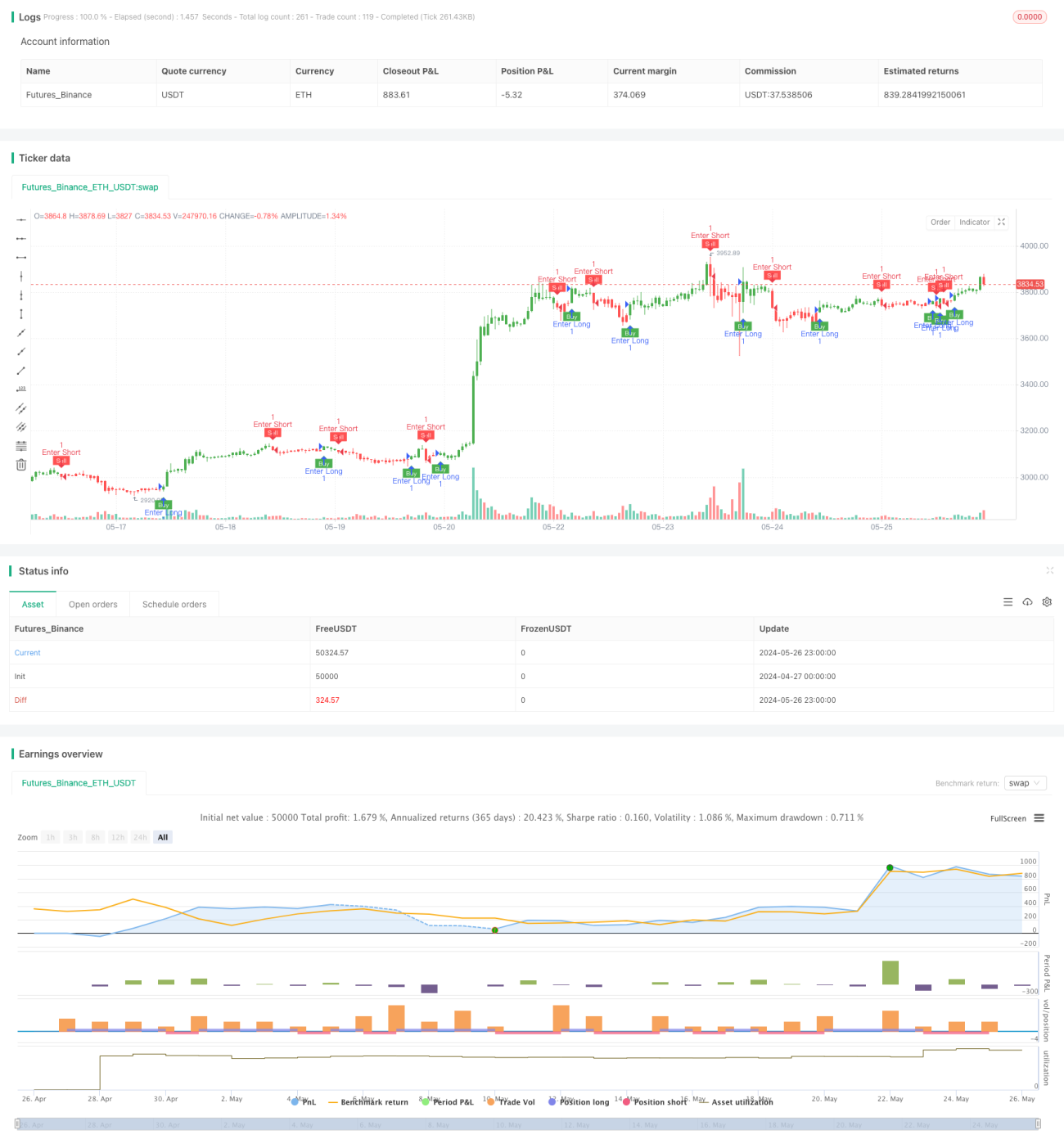
Tổng quan
Chiến lược này sử dụng hai chỉ báo ATR (Average True Range) và EMA (Exponential Moving Average), điều chỉnh linh hoạt các điểm chốt lời và cắt lỗ để thích ứng với biến động thị trường. Ý tưởng chính của chiến lược là: sử dụng chỉ báo ATR để đo lường mức độ biến động thị trường, và thiết lập các điểm chốt lời/cắt lỗ dựa trên mức độ biến động; đồng thời sử dụng chỉ báo EMA để xác định hướng giao dịch, khi giá vượt lên trên EMA thì mở lệnh mua (long), khi giảm xuống dưới EMA thì mở lệnh bán (short). Chiến lược này có thể tự động điều chỉnh các điểm chốt lời và cắt lỗ theo sự thay đổi của biến động thị trường, nhằm đạt được mục tiêu kiểm soát rủi ro linh hoạt.
Nguyên lý chiến lược
- Tính toán chỉ báo ATR để đo lường mức độ biến động thị trường.
- Dựa trên giá trị ATR và tham số bội số đầu vào, tính toán điểm cắt lỗ động.
- Sử dụng chỉ báo EMA làm bộ lọc, khi giá vượt lên trên EMA thì mở lệnh mua, khi giảm xuống dưới EMA thì mở lệnh bán.
- Khi đang giữ vị thế, liên tục điều chỉnh vị trí chốt lời và cắt lỗ dựa trên sự thay đổi của giá và điểm cắt lỗ động.
- Khi giá chạm điểm cắt lỗ động, đóng vị thế và mở vị thế ngược lại.
Ưu điểm của chiến lược
- Khả năng thích ứng cao: Bằng cách điều chỉnh linh hoạt các điểm chốt lời và cắt lỗ, chiến lược có thể thích ứng với sự thay đổi biến động trong các trạng thái thị trường khác nhau, kiểm soát rủi ro.
- Khả năng bám xu hướng mạnh: Sử dụng chỉ báo EMA để xác định hướng giao dịch, có thể bắt kịp xu hướng thị trường một cách hiệu quả.
- Tham số có thể điều chỉnh: Bằng cách thay đổi chu kỳ ATR và tham số bội số, có thể linh hoạt kiểm soát rủi ro và lợi nhuận của chiến lược.
Rủi ro của chiến lược
- Rủi ro cài đặt tham số: Việc thiết lập chu kỳ ATR và tham số bội số ảnh hưởng trực tiếp đến hiệu suất của chiến lược; cài đặt không phù hợp có thể khiến chiến lược mất hiệu quả.
- Rủi ro thị trường dao động ngang: Trong thị trường dao động ngang, việc đóng mở lệnh thường xuyên có thể dẫn đến tổn thất lớn do trượt giá và phí giao dịch.
- Rủi ro đảo chiều xu hướng: Khi xu hướng thị trường đảo chiều, chiến lược có thể gặp phải các khoản lỗ liên tiếp.
Hướng tối ưu hóa chiến lược
- Đưa thêm nhiều chỉ báo kỹ thuật hơn, như MACD, RSI, v.v., để nâng cao độ chính xác trong xác định xu hướng.
- Tối ưu phương pháp tính toán điểm chốt lời và cắt lỗ, ví dụ như áp dụng chốt lời di động, chốt lời theo tỷ lệ động, v.v.
- Tối ưu hóa tham số, tìm ra tổ hợp chu kỳ ATR và bội số tốt nhất, nâng cao tính ổn định và khả năng sinh lời của chiến lược.
- Thêm mô-đun quản lý vị thế, điều chỉnh kích thước vị thế linh hoạt dựa trên biến động thị trường và mức độ rủi ro tài khoản.
Tổng kết
Chiến lược này sử dụng hai chỉ báo ATR và EMA, điều chỉnh linh hoạt các điểm chốt lời và cắt lỗ để thích ứng với sự thay đổi của biến động thị trường, đồng thời sử dụng chỉ báo EMA để xác định hướng giao dịch. Chiến lược có khả năng thích ứng và bám xu hướng khá tốt, nhưng có thể đối mặt với rủi ro nhất định trong việc cài đặt tham số, thị trường dao động ngang và khi xu hướng đảo chiều. Trong tương lai, có thể nâng cao hiệu suất của chiến lược bằng cách đưa thêm nhiều chỉ báo kỹ thuật, tối ưu thuật toán chốt lời/cắt lỗ, tối ưu hóa tham số và thêm quản lý vị thế.
- 1