Hệ thống giao dịch xu hướng thích ứng đa chiều thông minh

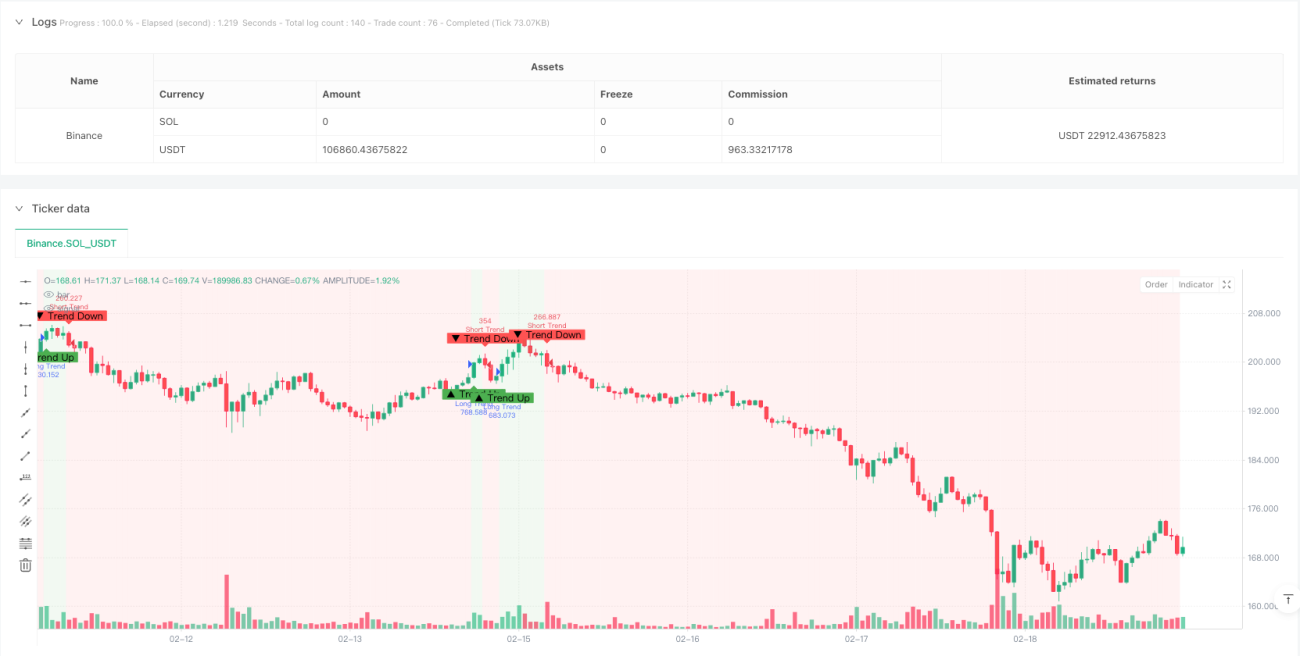
FVG RSI MACD VWAP EMA ATR supertrend
Ngày tạo: 2025-02-21 11:37:36 sửa đổi lần cuối: 2025-02-21 11:37:36
sao chép: 0 Số nhấp chuột: 483
2
tập trung vào
319
Người theo dõi

Hệ thống giao dịch xu hướng thích ứng đa chiều thông minh Hệ thống giao dịch xu hướng thích ứng đa chiều thông minh
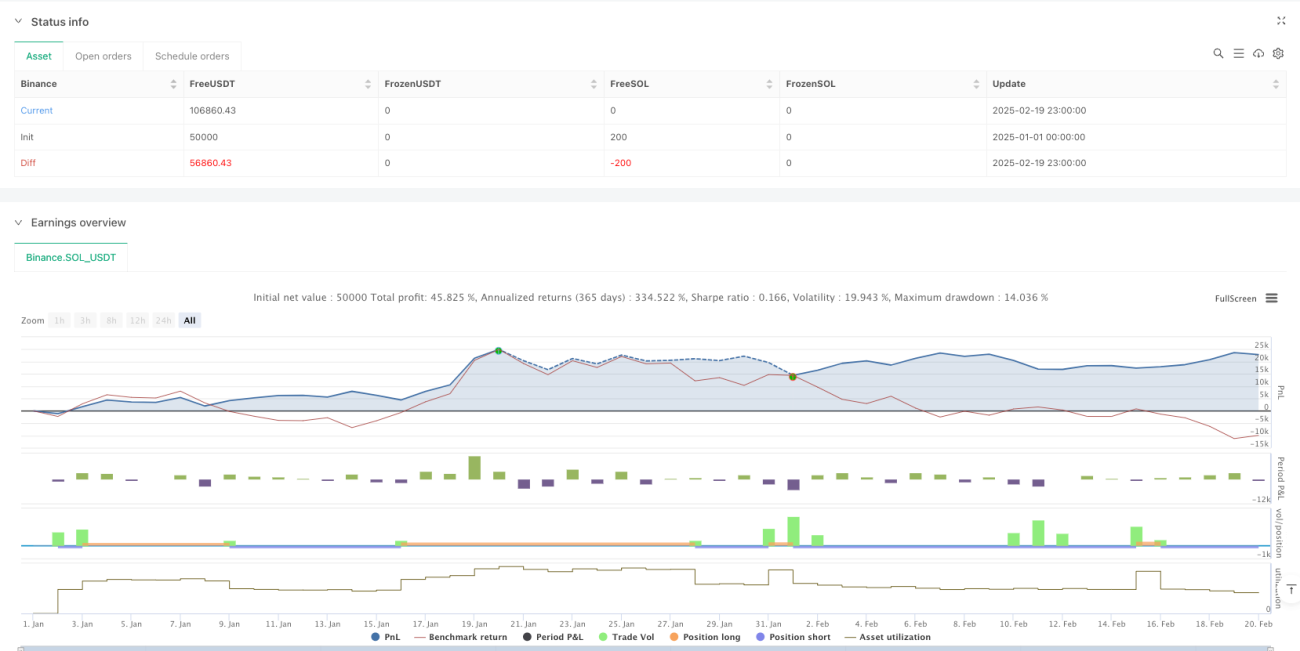
Tổng quan

Chiến lược này là một hệ thống giao dịch thông minh kết hợp nhiều chỉ số kỹ thuật để xác định cơ hội thị trường thông qua phân tích tổng hợp về khoảng cách giá trị công bằng (FVG), tín hiệu xu hướng và hành vi giá. Hệ thống sử dụng cơ chế chiến lược kép, kết hợp theo dõi xu hướng và đặc điểm giao dịch băng tần, để tối ưu hóa hiệu suất giao dịch thông qua quản lý vị trí vị trí động và cơ chế thoát đa chiều. Chiến lược này đặc biệt tập trung vào kiểm soát rủi ro, nâng cao chất lượng tín hiệu thông qua lọc tỷ lệ biến động và xác nhận khối lượng giao dịch.

Nguyên tắc chiến lược

Lập luận cốt lõi của chiến lược này dựa trên các khía cạnh sau:

  1. Nhận diện lỗ hổng FVG - Tìm kiếm cơ hội giao dịch tiềm năng bằng cách tính toán kích thước lỗ hổng giá
  2. Hệ thống xác nhận xu hướng - kết hợp đường trung bình 200 ngày, chỉ số SuperTrend và MACD để xác nhận xu hướng thị trường
  3. Chứng nhận tài chính thông minh - Sử dụng RSI để kích hoạt giao dịch với các điều kiện mua quá mức, bán quá mức, giao dịch bất thường và mô hình hành vi giá
  4. Quản lý vị trí động - Điều chỉnh kích thước vị trí dựa trên ATR để đảm bảo tính nhất quán của lỗ hổng rủi ro
  5. Cơ chế thoát nhiều cấp - Quản lý thoát giao dịch bằng cách kết hợp tracking stop loss và target stop loss

Lợi thế chiến lược

  1. Khả năng thích ứng - Chiến lược có thể tự động điều chỉnh các tham số và vị trí tùy theo biến động của thị trường
  2. Kiểm soát rủi ro hoàn hảo - Kiểm soát rủi ro thông qua nhiều bộ lọc và quản lý vị trí nghiêm ngặt
  3. Chất lượng tín hiệu đáng tin cậy - tăng độ chính xác của tín hiệu giao dịch thông qua xác nhận chỉ số đa chiều
  4. Cách giao dịch linh hoạt - nắm bắt cả xu hướng và cơ hội của biến động
  5. Khoa học Quản lý Tài chính - Sử dụng Quản lý Rủi ro Tỷ lệ phần trăm để đảm bảo tính hợp lý của việc sử dụng tài chính

Rủi ro chiến lược

  1. Nhận thức tham số - thiết lập nhiều tham số có thể ảnh hưởng đến hiệu suất của chiến lược và cần được tối ưu hóa liên tục
  2. Tùy thuộc vào môi trường thị trường - có thể có tín hiệu đột phá giả trong một số môi trường thị trường
  3. Ảnh hưởng của điểm trượt - có thể có điểm trượt lớn hơn trong thị trường ít thanh khoản hơn
  4. Tính phức tạp tính toán - tính toán nhiều chỉ số có thể gây ra sự chậm trễ tín hiệu
  5. Yêu cầu vốn cao - Chiến lược thực hiện đầy đủ đòi hỏi quy mô vốn ban đầu lớn

Hướng tối ưu hóa chiến lược

  1. Tối ưu hóa trọng số chỉ số - có thể giới thiệu phương pháp học máy để điều chỉnh động trọng số của từng chỉ số
  2. Tăng khả năng thích ứng của thị trường - Cơ chế tự thích ứng tăng biến động thị trường
  3. Cải thiện bộ lọc tín hiệu - giới thiệu thêm các chỉ số cấu trúc vi mô thị trường
  4. Tối ưu hóa cơ chế thực hiện - Tăng cơ chế phân chia đơn đặt hàng thông minh để giảm chi phí tác động
  5. Nâng cấp kiểm soát rủi ro - tăng hệ thống quản lý ngân sách rủi ro động

Tóm tắt

Chiến lược này xây dựng một hệ thống giao dịch hoàn chỉnh bằng cách sử dụng tổng hợp nhiều chỉ số kỹ thuật và kỹ thuật giao dịch. Ưu điểm của nó là có thể thích ứng với sự thay đổi của thị trường, trong khi vẫn giữ được kiểm soát rủi ro nghiêm ngặt. Mặc dù có một số không gian tối ưu hóa, nhưng nói chung là một chiến lược giao dịch định lượng được thiết kế hợp lý.

Mã nguồn chiến lược
/*backtest
start: 2025-01-01 00:00:00
end: 2025-02-20 00:00:00
period: 1h
basePeriod: 1h
exchanges: [{"eid":"Binance","currency":"SOL_USDT"}]
*/

//@version=6
strategy("Adaptive Trend Signals", overlay=true, margin_long=100, margin_short=100, pyramiding=1, initial_capital=50000, default_qty_type=strategy.percent_of_equity, default_qty_value=100, commission_type=strategy.commission.percent, commission_value=0.075)

// 1. Enhanced Inputs with Debugging Options

fvgSize = input.float(0.25, "FVG Size (%)", minval=0.1, step=0.05)
atrPeriod = input.int(14, "ATR Period")  // Increased for better stability
rsiPeriod = input.int(7, "RSI Period")
useSuperTrend = input.bool(true, "Use SuperTrend Filter")
useTrendFilter = input.bool(false, "Use 200 EMA Trend Filter")  // Disabled by default
volatilityThreshold = input.float(1.0, "Volatility Threshold (ATR%)", step=0.1)  // Increased threshold
useVolume = input.bool(true, "Use Volume Confirmation")
riskPercentage = input.float(2.0, "Risk %", minval=0.1, maxval=5)

// 2. Advanced Market Filters with Trend Change Detection
var int marketTrend = 0
var bool trendChanged = false
ema200 = ta.ema(close, 200)
prevMarketTrend = marketTrend
marketTrend := close > ema200 ? 1 : close < ema200 ? -1 : 0
trendChanged := marketTrend != prevMarketTrend

// 3. Enhanced FVG Detection with Adjusted Volume Requirements
bullishFVG = (low[1] > high[2] and (low[1] - high[2])/high[2]*100 >= fvgSize) or 
             (low > high[1] and (low - high[1])/high[1]*100 >= fvgSize)

bearishFVG = (high[1] < low[2] and (low[2] - high[1])/low[2]*100 >= fvgSize) or 
             (high < low[1] and (low[1] - high)/low[1]*100 >= fvgSize)

// 4. Smart Money Confirmation System with Signal Debugging
rsi = ta.rsi(close, rsiPeriod)
[macdLine, signalLine, _] = ta.macd(close, 5, 13, 5)
[supertrendLine, supertrendDir] = ta.supertrend(3, 10)

// Script 2 Indicators
[macdLine2, signalLine2, _] = ta.macd(close, 4, 11, 3)
[supertrendLine2, supertrendDir2] = ta.supertrend(3, 7)
vWAP = ta.vwap(close)
ema21 = ta.ema(close, 21)

// 5. Price Action Filters from Script 2
breakoutLong = close > ta.highest(high, 5) and (useVolume ? volume > ta.sma(volume, 10)*1.8 : true)
breakdownShort = close < ta.lowest(low, 5) and (useVolume ? volume > ta.sma(volume, 10)*1.8 : true)
bullishRejection = low < vWAP and close > (high + low)/2 and close > open
bearishRejection = high > vWAP and close < (high + low)/2 and close < open

// 6. Combined Entry Conditions
longBaseCond = (bullishFVG and rsi < 35 and macdLine > signalLine) or
              (bullishFVG and rsi < 38 and supertrendDir2 == 1) or
              (breakoutLong and macdLine2 > signalLine2) or
              (bullishRejection and close > ema21)

shortBaseCond = (bearishFVG and rsi > 65 and macdLine < signalLine) or
               (bearishFVG and rsi > 62 and supertrendDir2 == -1) or
               (breakdownShort and macdLine2 < signalLine2) or
               (bearishRejection and close < ema21)

longSignal = longBaseCond and (not useSuperTrend or supertrendDir == 1) and (not useTrendFilter or marketTrend == 1)

shortSignal = shortBaseCond and (not useSuperTrend or supertrendDir == -1) and (not useTrendFilter or marketTrend == -1)

// 7. Position Sizing with Minimum Quantity
var float longEntryPrice = na
var float shortEntryPrice = na
atr = ta.atr(atrPeriod)
positionSizeScript1 = math.max(strategy.equity * riskPercentage / 100 / (atr * 1.5), 1)
positionSizeScript2 = strategy.equity * riskPercentage / 100 / (atr * 2)

// 8. Dynamic Exit System with Dual Strategies
var float trailPrice = na
if longSignal or trendChanged and marketTrend == 1
    trailPrice := close
if shortSignal or trendChanged and marketTrend == -1
    trailPrice := close

trailOffset = atr * 0.75

// Script 1 Exit Logic
if strategy.position_size > 0
    trailPrice := math.max(trailPrice, close)
    strategy.exit("Long Exit", "Long", stop=trailPrice - trailOffset, trail_offset=trailOffset)
    
if strategy.position_size < 0
    trailPrice := math.min(trailPrice, close)
    strategy.exit("Short Exit", "Short", stop=trailPrice + trailOffset, trail_offset=trailOffset)

// Script 2 Exit Logic
longStop = close - atr * 1.2
shortStop = close + atr * 1.2
strategy.exit("Long Exit 2", "Long", stop=longStop, limit=na(longEntryPrice) ? na : longEntryPrice + (atr * 4), trail_points=not na(longEntryPrice) and close > longEntryPrice + atr ? atr * 3 : na, trail_offset=atr * 0.8)
strategy.exit("Short Exit 2", "Short", stop=shortStop, limit=na(shortEntryPrice) ? na : shortEntryPrice - (atr * 4), trail_points=not na(shortEntryPrice) and close < shortEntryPrice - atr ? atr * 3 : na, trail_offset=atr * 0.8)

// 9. Trend Change Signals and Visuals
// plot(supertrendLine, "SuperTrend", color=color.new(#2962FF, 0))
// plot(supertrendLine2, "SuperTrend 2", color=color.new(#FF00FF, 0))
// plot(ema200, "200 EMA", color=color.new(#FF6D00, 0))
// plot(ema21, "21 EMA", color=color.new(#00FFFF, 0))

bgcolor(marketTrend == 1 ? color.new(color.green, 90) : 
       marketTrend == -1 ? color.new(color.red, 90) : na)

plotshape(trendChanged and marketTrend == 1, "Bullish Trend", shape.labelup, 
         location.belowbar, color=color.green, text="▲ Trend Up")
plotshape(trendChanged and marketTrend == -1, "Bearish Trend", shape.labeldown, 
         location.abovebar, color=color.red, text="▼ Trend Down")

// 10. Signal Visualization for Both Strategies
// plotshape(longSignal, "Long Entry", shape.triangleup, location.belowbar, 
//          color=color.new(#00FF00, 0), size=size.small)
// plotshape(shortSignal, "Short Entry", shape.triangledown, location.abovebar, 
//          color=color.new(#FF0000, 0), size=size.small)
// plotshape(breakoutLong, "Breakout Long", shape.flag, location.belowbar, 
//          color=color.new(#00FF00, 50), size=size.small)
// plotshape(breakdownShort, "Breakdown Short", shape.flag, location.abovebar, 
//          color=color.new(#FF0000, 50), size=size.small)

// 11. Order Execution with Dual Entry Systems
if trendChanged and marketTrend == 1
    strategy.entry("Long Trend", strategy.long, qty=positionSizeScript1)
    longEntryPrice := close
    
if trendChanged and marketTrend == -1
    strategy.entry("Short Trend", strategy.short, qty=positionSizeScript1)
    shortEntryPrice := close

if longSignal and strategy.position_size == 0
    strategy.entry("Long Signal", strategy.long, qty=positionSizeScript2)
    longEntryPrice := close
    
if shortSignal and strategy.position_size == 0
    strategy.entry("Short Signal", strategy.short, qty=positionSizeScript2)
    shortEntryPrice := close