Hệ thống giao dịch giao cắt động lượng xu hướng đa đường trung bình động

Tổng quan
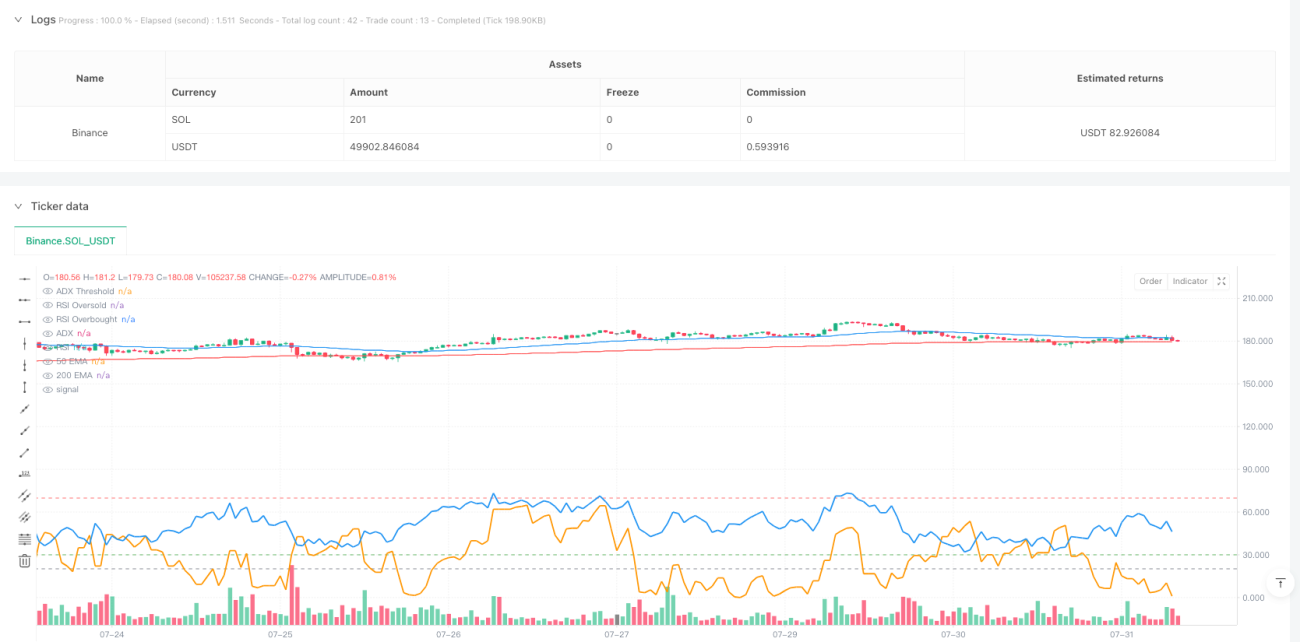
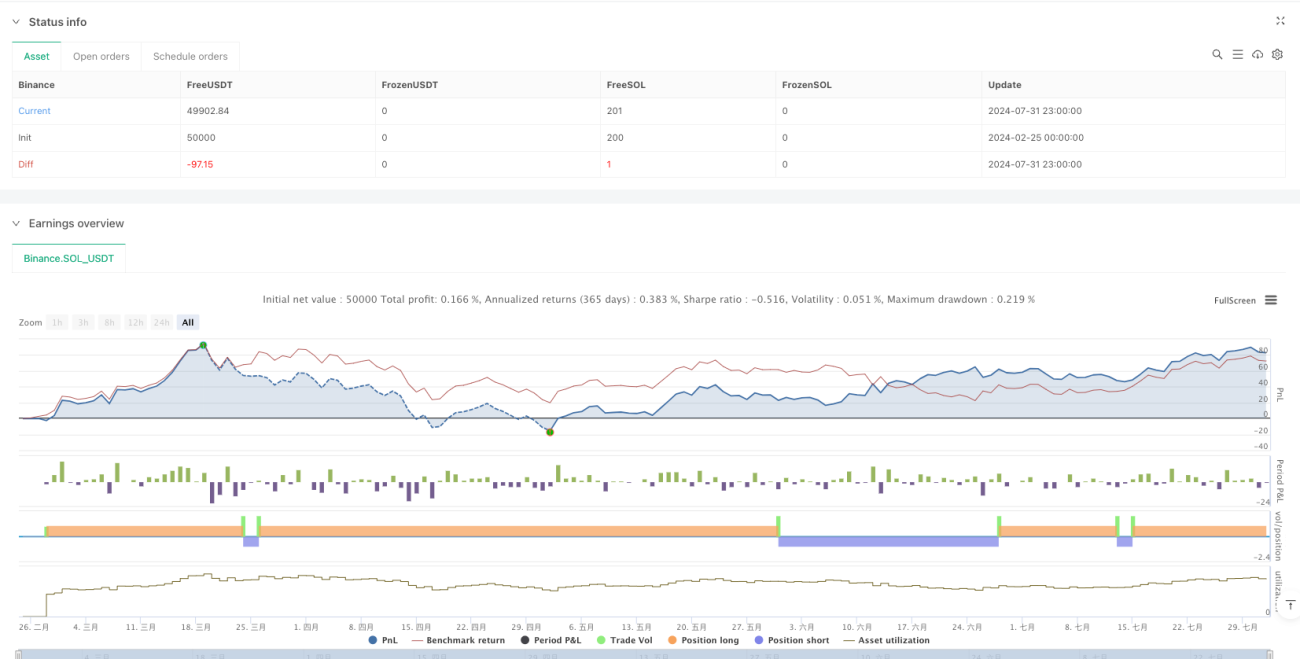
Chiến lược này là một hệ thống giao dịch theo xu hướng dựa trên nhiều chỉ báo kỹ thuật, kết hợp ưu điểm của đường trung bình động hàm mũ (EMA), chỉ số định hướng trung bình (ADX) và chỉ số sức mạnh tương đối (RSI). Nó xác định xu hướng thị trường thông qua sự giao cắt của EMA 50 ngày và 200 ngày, lọc các xu hướng yếu bằng ADX, và tránh giao dịch ở vùng quá mua hoặc quá bán bằng RSI. Chiến lược sử dụng điểm dừng lỗ và chốt lời động dựa trên Dải biên độ thực trung bình (ATR), đảm bảo cả kiểm soát rủi ro và tối đa hóa lợi nhuận.
Nguyên lý chiến lược
Logic cốt lõi của chiến lược được xây dựng dựa trên các yếu tố chính sau:
- Xác định xu hướng: Sử dụng sự giao cắt của EMA nhanh (50 ngày) và EMA chậm (200 ngày) để xác định hướng xu hướng thị trường. Khi EMA 50 ngày cắt lên trên EMA 200 ngày, báo hiệu xu hướng tăng; khi EMA 50 ngày cắt xuống dưới EMA 200 ngày, báo hiệu xu hướng giảm.
- Xác nhận sức mạnh xu hướng: Sử dụng chỉ báo ADX để đo lường sức mạnh xu hướng, chỉ xem xét vào lệnh khi ADX trên 20, đảm bảo chỉ giao dịch trong các xu hướng mạnh.
- Lọc động lượng: Áp dụng chỉ báo RSI để lọc động lượng, chỉ vào vị thế khi RSI nằm giữa 30-70, tránh giao dịch ở vùng quá mua hoặc quá bán.
- Quản lý rủi ro: Sử dụng điểm dừng lỗ và chốt lời động dựa trên ATR, với dừng lỗ đặt ở 2x ATR và chốt lời ở 4x ATR.
Ưu điểm chiến lược
- Xác nhận xu hướng đa chiều: Kết hợp bộ lọc ba lớp gồm giao cắt EMA, ADX và RSI, giúp cải thiện đáng kể độ tin cậy của tín hiệu.
- Quản lý rủi ro động: Cài đặt dừng lỗ và chốt lời dựa trên ATR có thể tự động điều chỉnh theo biến động thị trường.
- Lọc xu hướng yếu: Việc đưa ADX vào giúp tránh hiệu quả các giao dịch thường xuyên trong thị trường đi ngang.
- Ngăn ngừa mua đỉnh bán đáy: Cơ chế lọc RSI ngăn chặn giao dịch ở vùng cực đoan.
Rủi ro chiến lược
- Rủi ro đảo chiều xu hướng: Trong các kịch bản đảo chiều nhanh, độ trễ của hệ thống đường trung bình có thể dẫn đến sụt giảm lớn.
- Rủi ro thị trường dao động: Có thể tạo ra các tín hiệu phá vỡ giả thường xuyên trong thị trường đi ngang.
- Nhạy cảm với tham số: Các tham số của nhiều chỉ báo cần được tối ưu hóa trong các điều kiện thị trường khác nhau.
- Rủi ro trượt giá: Giá thực tế khớp lệnh có thể chênh lệch đáng kể so với giá tín hiệu ở các thị trường kém thanh khoản.
Hướng tối ưu hóa chiến lược
- Tích hợp chỉ báo khối lượng: Có thể xem xét thêm cơ chế xác nhận khối lượng, chỉ giao dịch khi có sự bứt phá đi kèm khối lượng lớn.
- Cải thiện cơ chế dừng lỗ: Có thể xem xét sử dụng dừng lỗ theo xu hướng (trailing stop) để bảo vệ lợi nhuận trong quá trình phát triển xu hướng.
- Thêm bộ lọc thời gian: Có thể thêm bộ lọc thời gian giao dịch để tránh các phiên có biến động lớn.
- Phân loại môi trường thị trường: Điều chỉnh tham số chiến lược một cách linh hoạt dựa trên các điều kiện thị trường khác nhau (xu hướng, đi ngang).
Tổng kết
Chiến lược này xây dựng một hệ thống giao dịch theo xu hướng hoàn chỉnh thông qua việc sử dụng tổng hợp nhiều chỉ báo kỹ thuật. Ưu điểm của chiến lược nằm ở cơ chế xác nhận tín hiệu đa chiều và hệ thống quản lý rủi ro động, nhưng đồng thời cũng cần lưu ý đến rủi ro từ đảo chiều xu hướng và thị trường dao động. Thông qua việc tối ưu hóa và hoàn thiện liên tục, chiến lược này hứa hẹn có thể duy trì hiệu suất ổn định trong các điều kiện thị trường khác nhau.
Tổng quan
Chiến lược này là một hệ thống giao dịch theo xu hướng dựa trên nhiều chỉ báo kỹ thuật, kết hợp ưu điểm của đường trung bình động hàm mũ (EMA), chỉ số định hướng trung bình (ADX) và chỉ số sức mạnh tương đối (RSI). Nó xác định xu hướng thị trường thông qua sự giao cắt của EMA 50 ngày và 200 ngày, lọc các xu hướng yếu bằng ADX, và tránh giao dịch ở vùng quá mua hoặc quá bán bằng RSI. Chiến lược sử dụng điểm dừng lỗ và chốt lời động dựa trên Dải biên độ thực trung bình (ATR), đảm bảo cả kiểm soát rủi ro và tối đa hóa lợi nhuận.
Nguyên lý chiến lược
Logic cốt lõi của chiến lược được xây dựng dựa trên các yếu tố chính sau:
- Xác định xu hướng: Sử dụng sự giao cắt của EMA nhanh (50 ngày) và EMA chậm (200 ngày) để xác định hướng xu hướng thị trường. Một xu hướng tăng được báo hiệu khi EMA 50 ngày cắt lên trên EMA 200 ngày, và xu hướng giảm khi nó cắt xuống dưới.
- Xác nhận sức mạnh xu hướng: Sử dụng chỉ báo ADX để đo lường sức mạnh xu hướng, chỉ xem xét vào lệnh khi ADX trên 20, đảm bảo giao dịch chỉ trong các xu hướng mạnh.
- Lọc động lượng: Áp dụng chỉ báo RSI để lọc động lượng, chỉ vào vị thế khi RSI nằm giữa 30-70, tránh giao dịch ở vùng quá mua hoặc quá bán.
- Quản lý rủi ro: Sử dụng mức dừng lỗ và chốt lời động dựa trên ATR, với dừng lỗ đặt ở 2x ATR và chốt lời ở 4x ATR.
Ưu điểm chiến lược
- Xác nhận xu hướng đa chiều: Kết hợp bộ lọc ba lớp gồm giao cắt EMA, ADX và RSI, giúp cải thiện đáng kể độ tin cậy của tín hiệu.
- Quản lý rủi ro động: Cài đặt dừng lỗ và chốt lời dựa trên ATR có thể tự động điều chỉnh theo biến động thị trường.
- Lọc xu hướng yếu: Việc đưa ADX vào giúp tránh hiệu quả các giao dịch thường xuyên trong thị trường đi ngang.
- Ngăn ngừa vào lệnh ở vùng cực đoan: Cơ chế lọc RSI ngăn chặn giao dịch ở vùng cực đoan.
Rủi ro chiến lược
- Rủi ro đảo chiều xu hướng: Độ trễ trong hệ thống đường trung bình động có thể dẫn đến sụt giảm lớn trong các kịch bản đảo chiều nhanh.
- Rủi ro thị trường dao động: Có thể tạo ra các tín hiệu phá vỡ giả thường xuyên trong thị trường đi ngang.
- Nhạy cảm với tham số: Các tham số của nhiều chỉ báo cần được tối ưu hóa trong các điều kiện thị trường khác nhau.
- Rủi ro trượt giá: Giá thực tế khớp lệnh có thể chênh lệch đáng kể so với giá tín hiệu ở các thị trường kém thanh khoản.
Hướng tối ưu hóa chiến lược
- Tích hợp chỉ báo khối lượng: Xem xét thêm cơ chế xác nhận khối lượng, chỉ giao dịch khi có sự bứt phá đi kèm khối lượng lớn.
- Cải thiện cơ chế dừng lỗ: Xem xét sử dụng dừng lỗ theo xu hướng (trailing stop) để bảo vệ lợi nhuận trong quá trình phát triển xu hướng.
- Thêm bộ lọc thời gian: Thêm bộ lọc thời gian giao dịch để tránh các phiên có biến động lớn.
- Phân loại môi trường thị trường: Điều chỉnh tham số chiến lược một cách linh hoạt dựa trên các điều kiện thị trường khác nhau (xu hướng, đi ngang).
Tóm tắt
Chiến lược xây dựng một hệ thống giao dịch theo xu hướng toàn diện thông qua việc sử dụng tổng hợp nhiều chỉ báo kỹ thuật. Điểm mạnh của chiến lược nằm ở cơ chế xác nhận tín hiệu đa chiều và hệ thống quản lý rủi ro linh hoạt, đồng thời cần chú ý đến rủi ro từ sự đảo chiều xu hướng và thị trường đi ngang. Thông qua việc tối ưu hóa và tinh chỉnh liên tục, chiến lược có tiềm năng duy trì hiệu suất ổn định trong các môi trường thị trường khác nhau.
- 1