Dynamic Position Sizing Strategy Based on Equity Curve

Strategy Overview
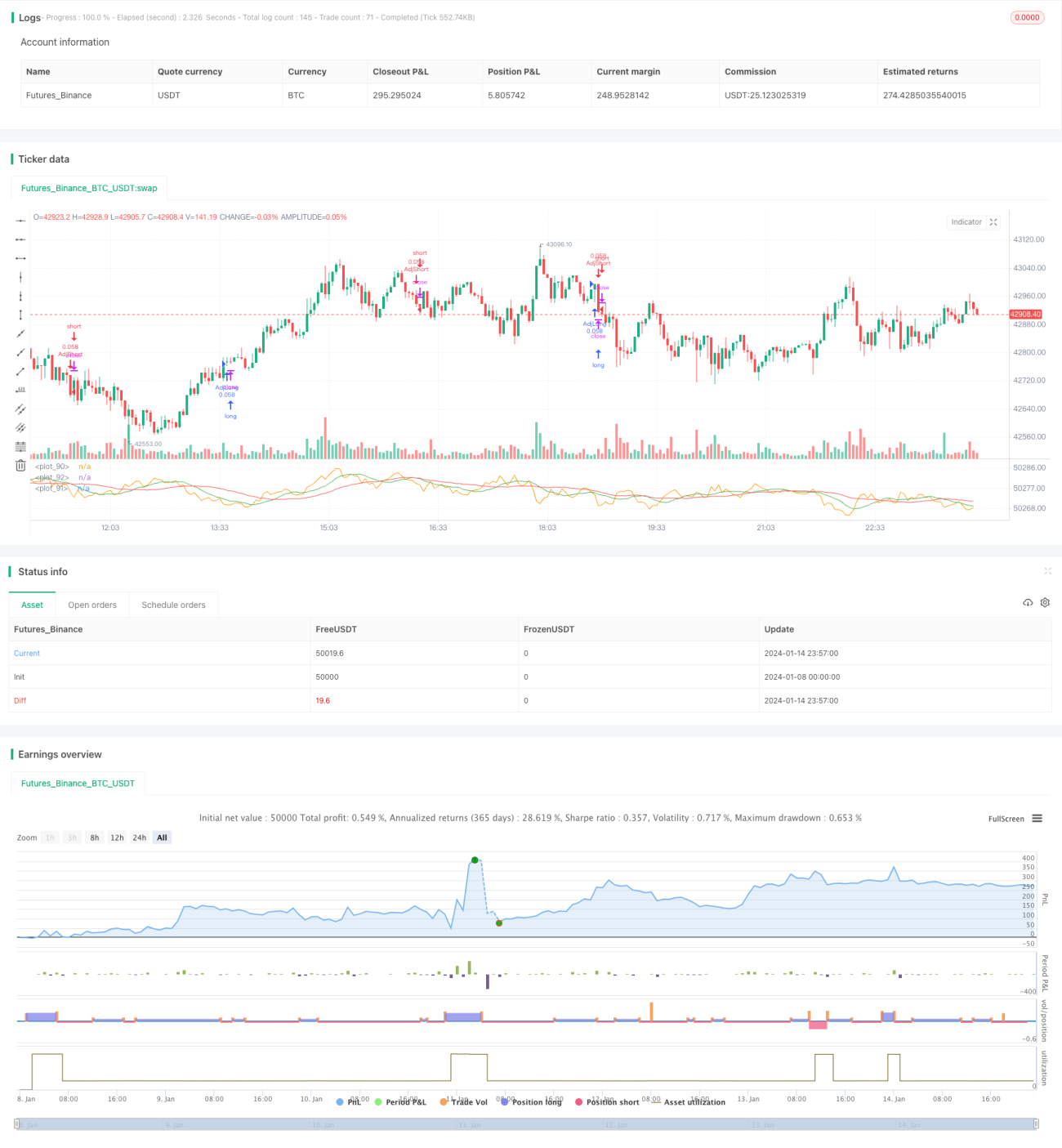
The core idea of this strategy is to dynamically adjust position size based on the trend of the equity curve - increase position size during profit and decrease size during loss to control overall risk. The strategy also combines Chande Momentum indicator, SuperTrend indicator and Momentum indicator to identify trading signals.
Strategy Name
Dynamic Position Sizing Strategy Based on Equity Curve
Strategy Logic
The strategy uses two methods to determine if the equity curve is in a downtrend: 1) Calculate fast and slow simple moving averages of the equity curve, if the fast SMA is below the slow one, it is considered a downtrend; 2) Calculate the equity curve against its own longer period simple moving average, if the equity is below the moving average line, it is considered a downtrend.
When equity curve downtrend is determined, the position size will be reduced or increased by a certain percentage based on the settings. For example, if 50% reduction is set, the original 10% position size will be reduced to 5%. This mechanism increases position size during profit and decreases size during loss to control overall risk.
Advantages
- Uses equity curve to judge the overall profit/loss and dynamically adjusts position size to control risk
- Combining multiple indicators to identify entry signals can improve win rate
- Customizable parameters for position adjustment suit different risk appetites
Risks
- Loss can be amplified with increased position size during profit
- Aggressive adjustment due to improper parameter settings
- Position sizing alone cannot completely avoid system risk
Enhancement Directions
- Test effectiveness of different position adjustment parameters
- Try other indicators to determine equity curve trend
- Optimize entry conditions to improve win rate
Conclusion
The overall logic of this strategy is clear - it dynamically adjusts position size based on equity curve, which helps effectively control risk. Further testing and optimization of parameters and stop loss strategies are needed to avoid the risk of aggressive maneuvers.
- 1