Type/to search

Dynamic Position Sizing Quant Strategy

Common strategy
Created: 2024-02-21 14:52:10
Last modified: 2 years ago
1
Follow
1802
Followers

img

Overview

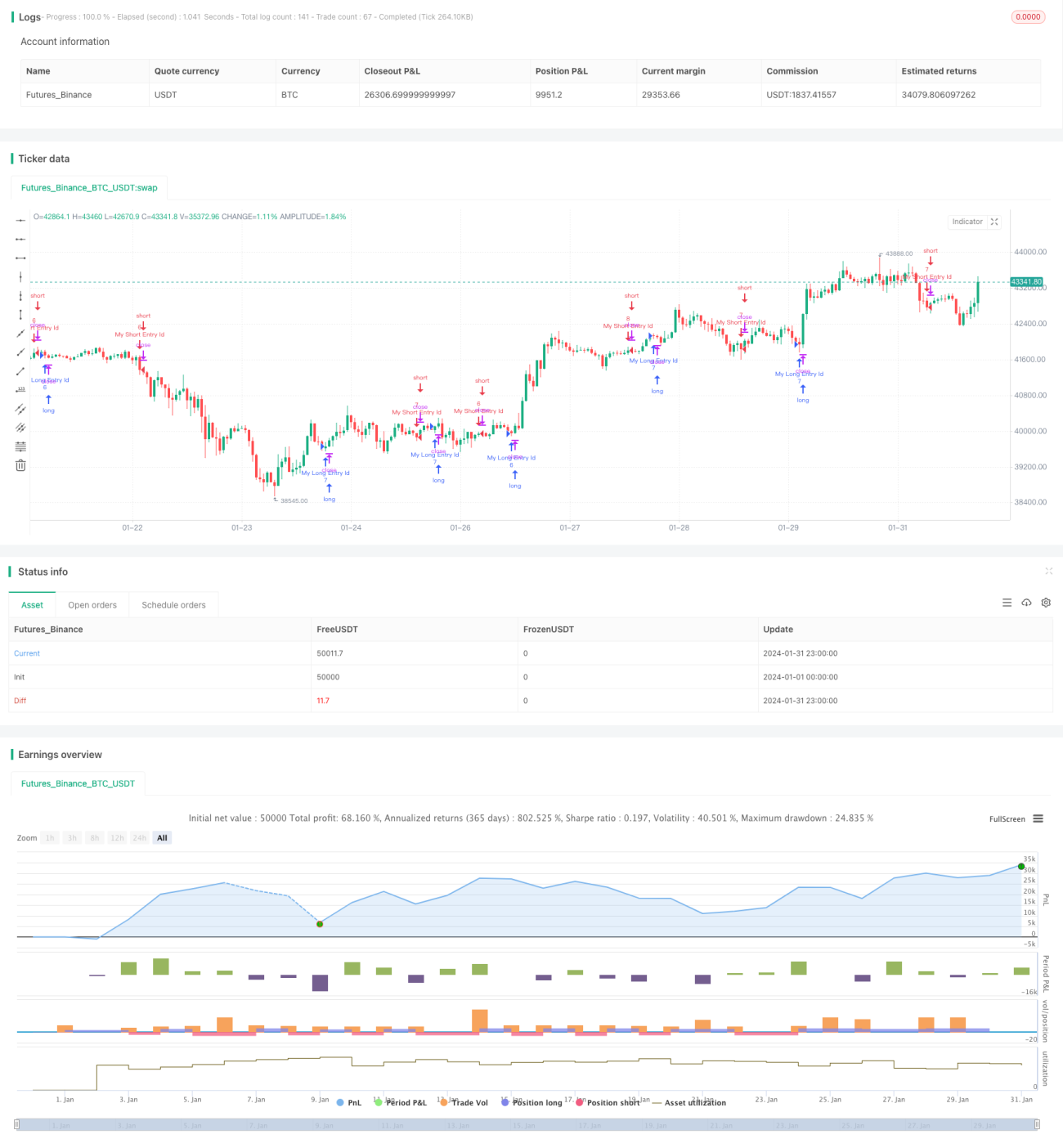
The core idea of this strategy is to dynamically adjust the position size of each trade based on account equity. It can automatically increase position size when profitable and decrease position size when losing, thereby achieving the automatic leverage effect of compounding.

Strategy Logic

The strategy achieves dynamic position sizing through the following key steps:

  1. Set parameters like leverage ratio, max position size as constraints
  2. Calculate benchmark position size by dividing account equity by leverage ratio
  3. Compare benchmark size with max size setting, take the smaller one as actual size
  4. Adjust position size to the calculated actual size when opening positions
  5. Position size will change in real-time with PnL changes and account equity fluctuations

The above steps ensure reasonable position sizing, avoid over-leverage risks, while linking size to equity to achieve auto-compounding as profits increase.

Advantages

The strategy has the following advantages:

  1. Achieves dynamic position sizing without manual intervention
  2. Links position size to equity to achieve compounding effect automatically
  3. Sets leverage and max size as risk limits
  4. Simple and clear logic, easy to understand and customize
  5. Easy to incorporate into other strategies, highly extensible

Risks

There are also some risks:

  1. Magnified losses when position size increases, risk of missing reversals
  2. Frequent adjustments in extreme market conditions due to real-time linkage to equity
  3. Inappropriate max size setting can lead to over-leverage
  4. Excessive leverage multiplying risks

Risks can be mitigated through prudent parameter settings, capital buffering etc.

Enhancement Opportunities

The strategy can be enhanced in the following ways:

  1. Add slippage to smooth adjustments
  2. Optimize position sizing formula by incorporating other factors
  3. Statically lock sizes in specific market conditions
  4. Set minimum step size for adjustments to avoid excessive changes
  5. Add conditional rules to prevent unnecessary adjustments

The above enhancements can make the strategy behavior more stable and controllable, avoiding sensitivity and frequent position size changes.

Conclusion

The strategy achieves equity-based dynamic position sizing to automatically magnify profits. It sets leverage and max size as risk controls, with simple and clear logic for ease of understanding and customization. We also analyzed its pros and cons and risks, along with some optimization suggestions. Overall, it provides a flexible and practical approach to achieve automated compound growth in trading.

Source
Pine
/*backtest
start: 2024-01-01 00:00:00
end: 2024-01-31 23:59:59
period: 1h
basePeriod: 15m
exchanges: [{"eid":"Futures_Binance","currency":"BTC_USDT"}]
*/

// This source code is subject to the terms of Tendies Heist LLC, 2021
//@version=4
strategy("Tendies Heist Auto Compounding Example", overlay=true)
Strategy parameters
Strategy parameters
leverage
max position size
Comment
All comments (0)
No data
No data
  • 1
Forums
PINE Language
Get the app
iPhone Download
© 2015 - ∞ INVENTOR PTE LTD (SG)