মাল্টিপল পিরিয়ড ডঞ্চিয়ান নির্দেশক ট্রেন্ড ফলোয়িং এবং ডাইভারজেন্স ট্রেডিং কৌশল

সারসংক্ষেপ
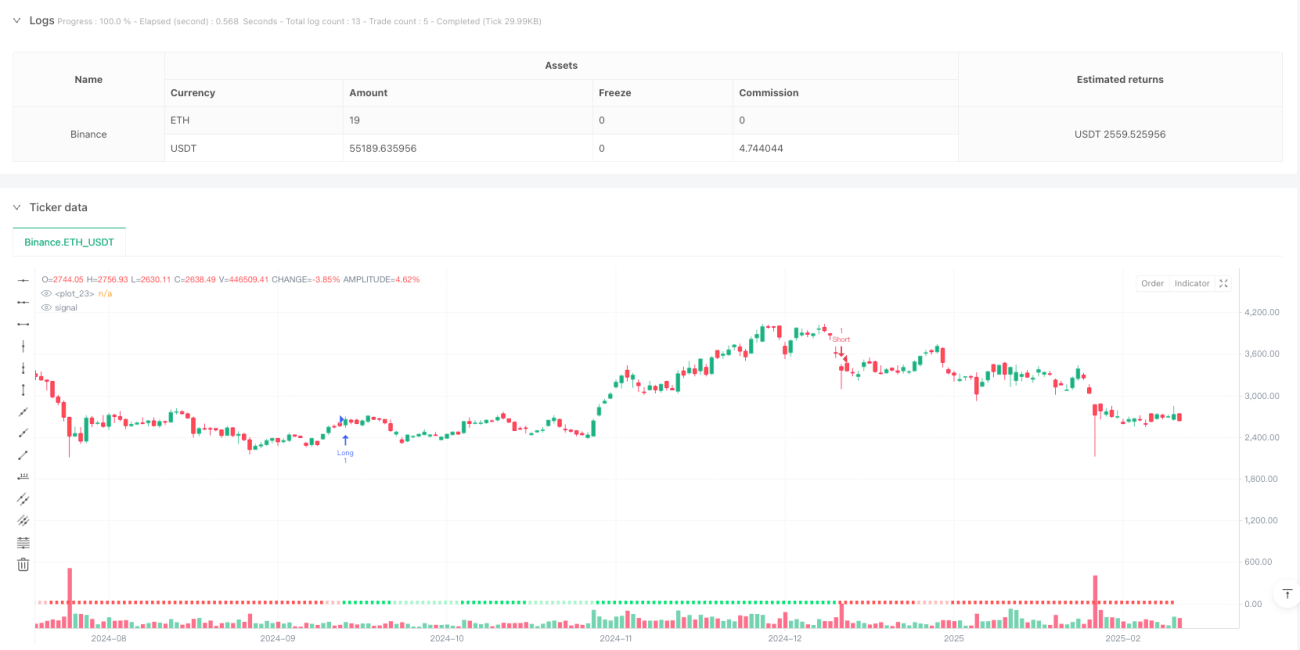
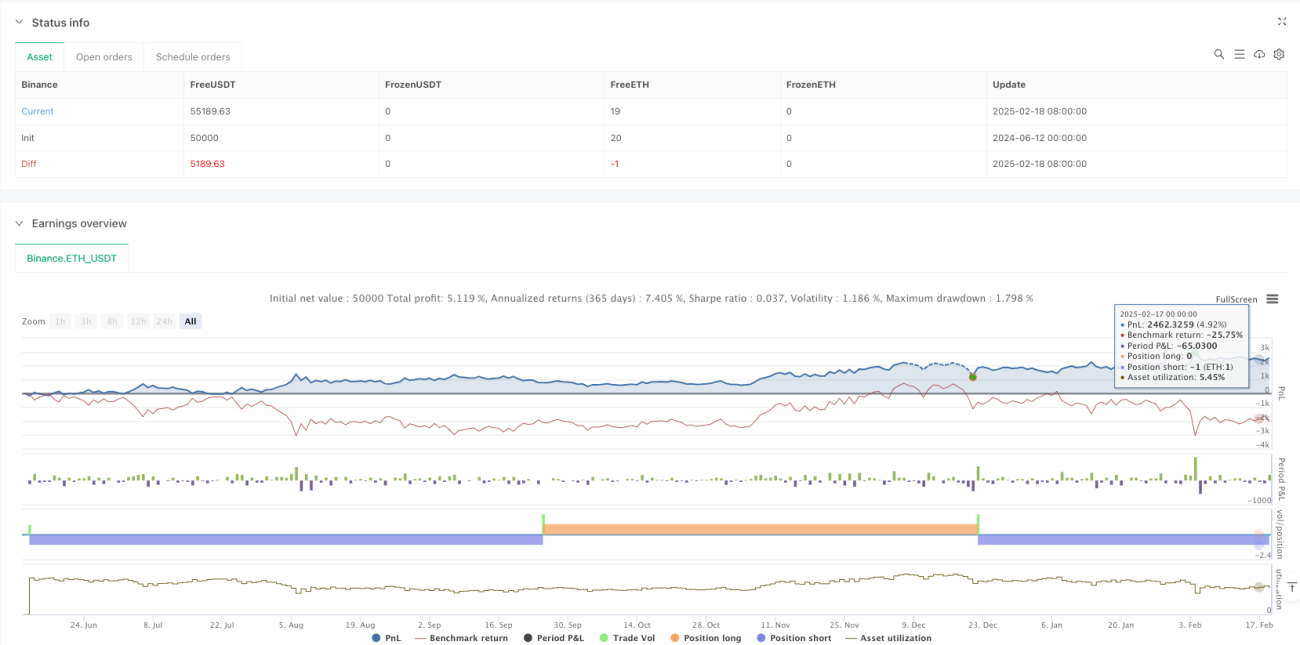
এই কৌশলটি বহু-পর্যায়ের ডোনচিয়ান চ্যানেল নির্দেশকের উপর ভিত্তি করে একটি ট্রেন্ড অনুসরণকারী ব্যবস্থা তৈরি করে। বিভিন্ন সময়কালের ডোনচিয়ান চ্যানেলের ব্রেকআউট বিশ্লেষণ করে এবং মূল ট্রেন্ড ও স্থানীয় ট্রেন্ডের সমন্বয়ের মাধ্যমে দৃশ্যমান স্বজ্ঞাত ট্রেন্ড ব্যান্ড গ্রাফ তৈরি করে। কৌশলটি ট্রেন্ডের শক্তি প্রদর্শনের জন্য রঙের ঘনত্বের তারতম্য ব্যবহার করে, সবুজ রঙ ঊর্ধ্বমুখী ট্রেন্ড এবং লাল রঙ নিম্নমুখী ট্রেন্ড নির্দেশ করে, রঙ যত গাঢ় হবে ট্রেন্ড তত বেশি স্পষ্ট।
কৌশলের নীতি
কৌশলটির মূল ভিত্তি হলো ডোনচিয়ান চ্যানেল (Donchian Channel) নির্দেশকের মাধ্যমে ট্রেন্ড নির্ধারণ। ডোনচিয়ান চ্যানেল সর্বোচ্চ মূল্যের চ্যানেল এবং সর্বনিম্ন মূল্যের চ্যানেল দিয়ে গঠিত, বর্তমান মূল্য ও চ্যানেলের অবস্থানের তুলনা করে ট্রেন্ড নির্ধারণ করা হয়। প্রধান উপাদানগুলো নিম্নরূপ:
- মূল ট্রেন্ড নির্ধারণ: ২০-পর্যায়ের ডোনচিয়ান চ্যানেল ব্যবহার করে, যখন মূল্য ঊর্ধ্ব রেখা ভেঙে যায় তখন ঊর্ধ্বমুখী ট্রেন্ড এবং নিম্ন রেখা ভেঙে যায় তখন নিম্নমুখী ট্রেন্ড তৈরি হয়।
- স্থানীয় ট্রেন্ড নির্ধারণ: মূল ট্রেন্ডের কাঠামোর মধ্যে, স্বল্প-পর্যায়ের ডোনচিয়ান চ্যানেল ব্যবহার করে স্থানীয় ট্রেন্ডের গতিপথ নির্ধারণ করা হয়।
- ট্রেন্ড ব্যান্ড গ্রাফ: ১০টি ভিন্ন সময়কালের ডোনচিয়ান চ্যানেলের সমন্বয়ে ট্রেন্ড ব্যান্ড তৈরি করা হয়, রঙের ঘনত্ব ট্রেন্ডের শক্তি প্রতিফলিত করে।
- ট্রেডিং সিগন্যাল: মূল ট্রেন্ড ঊর্ধ্বমুখী হলে লং পজিশন খোলা, মূল ট্রেন্ড নিম্নমুখী হলে শর্ট পজিশন খোলা এবং ট্রেন্ড বিপরীত হলে পজিশন বন্ধ করা।
কৌশলের সুবিধা
- ট্রেন্ড নির্ধারণে বস্তুনিষ্ঠতা: মূল্যের ব্রেকআউটের ভিত্তিতে ট্রেন্ড নির্ধারণ, ব্যক্তিগত বিচারের পক্ষপাত এড়ানো যায়।
- বহু-পর্যায়ের নিশ্চিতকরণ: বিভিন্ন পর্যায়ের ট্রেন্ডের সমন্বয়ের মাধ্যমে ট্রেন্ড নির্ধারণের নির্ভুলতা বাড়ে।
- দৃশ্যমান স্বজ্ঞাততা: ট্রেন্ড ব্যান্ডের রঙ পরিবর্তন বাজারের অবস্থা সরাসরি দেখায়।
- স্পষ্ট ট্রেডিং নিয়ম: এন্ট্রি এবং এক্সিট সিগন্যাল স্পষ্ট, প্রোগ্রামেটিক বাস্তবায়নের জন্য উপযোগী।
- অভিযোজন ক্ষমতা: ট্রেডিং পণ্যের বৈশিষ্ট্য অনুযায়ী প্যারামিটার সমন্বয় করে কৌশলের কার্যকারিতা বাড়ানো যায়।
কৌশলের ঝুঁকি
- ট্রেন্ড বিপরীতের ঝুঁকি: ট্রেন্ডের পরিবর্তনের বিন্দুতে বড় ধরনের রিট্রেসমেন্ট হতে পারে।
- সাইডওয়ে মার্কেটে অনুপযোগী: রেঞ্জবাউন্ড বাজারে ভুয়া সিগন্যাল তৈরি হতে পারে।
- প্যারামিটার সংবেদনশীলতা: ভিন্ন প্যারামিটার সেটিং কৌশলের ফলাফলে উল্লেখযোগ্য প্রভাব ফেলে।
- স্লিপেজের প্রভাব: ঘন ঘন ট্রেডে স্লিপেজের কারণে প্রভাব পড়তে পারে।
- সিস্টেমিক ঝুঁকি: বাজারের আকস্মিক ঘটনা বড় ক্ষতির কারণ হতে পারে।
কৌশল উন্নয়নের দিকনির্দেশনা
- ট্রেন্ড শক্তি ফিল্টার যোগ: ADX-এর মতো ট্রেন্ড শক্তি নির্দেশক ব্যবহার করে দুর্বল ট্রেন্ড সিগন্যাল ফিল্টার করা।
- স্টপ-লস অপ্টিমাইজেশন: ATR-এর ভিত্তিতে গতিশীল স্টপ-লস অবস্থান নির্ধারণ করে ঝুঁকি নিয়ন্ত্রণ বাড়ানো।
- ভলিউম নিশ্চিতকরণ যোগ: ভলিউম বিশ্লেষণ যুক্ত করে ট্রেন্ডের বৈধতা যাচাই।
- অস্থিরতা অভিযোজন: বাজারের অস্থিরতা অনুযায়ী প্যারামিটার গতিশীলভাবে সমন্বয় করা।
- পজিশন ম্যানেজমেন্ট উন্নত: ট্রেন্ডের শক্তি অনুযায়ী পজিশনের আকার গতিশীলভাবে সমন্বয় করা।
সারসংক্ষেপ
এই কৌশলটি বহু-পর্যায়ের ডোনচিয়ান চ্যানেলের উদ্ভাবনী প্রয়োগের মাধ্যমে একটি দৃশ্যমান স্বজ্ঞাত এবং যুক্তিভিত্তিক ট্রেন্ড অনুসরণকারী ট্রেডিং ব্যবস্থা তৈরি করে। কৌশলটির মূল সুবিধা হলো জটিল ট্রেন্ড বিশ্লেষণ প্রক্রিয়াকে দৃশ্যমান করা, যাতে ট্রেডাররা সহজেই বাজারের গতিপথ বুঝতে পারেন। সঠিক প্যারামিটার অপ্টিমাইজেশন এবং ঝুঁকি নিয়ন্ত্রণ ব্যবস্থার মাধ্যমে কৌশলটির বাস্তব প্রয়োগে ভালো মান সম্ভব। ট্রেডারদের বাস্তব প্রয়োগের সময় বাজারের পরিবেশ নির্বাচনে সতর্ক থাকতে হবে এবং নিজের ঝুঁকি সহনশীলতা অনুযায়ী পজিশন ম্যানেজমেন্ট করতে হবে।
/*backtest
start: 2024-06-12 00:00:00
end: 2025-02-19 08:00:00
period: 1d
basePeriod: 1d
exchanges: [{"eid":"Binance","currency":"ETH_USDT"}]
*/

//@version=6
strategy("Donchian Trend Ribbon Strategy", shorttitle="DonchianTrendRibbonStrat", overlay=true, precision=0)

//~~~~~~~~~~~~~~~~~~~~~~~~~~~~~~~~~~~~~~~~~~~~~~~~~~~~~~~~~~~~~~~~~~~~~~~~~~~~~~- 1