Triple Indicator Momentum Reversal Strategy

Overview
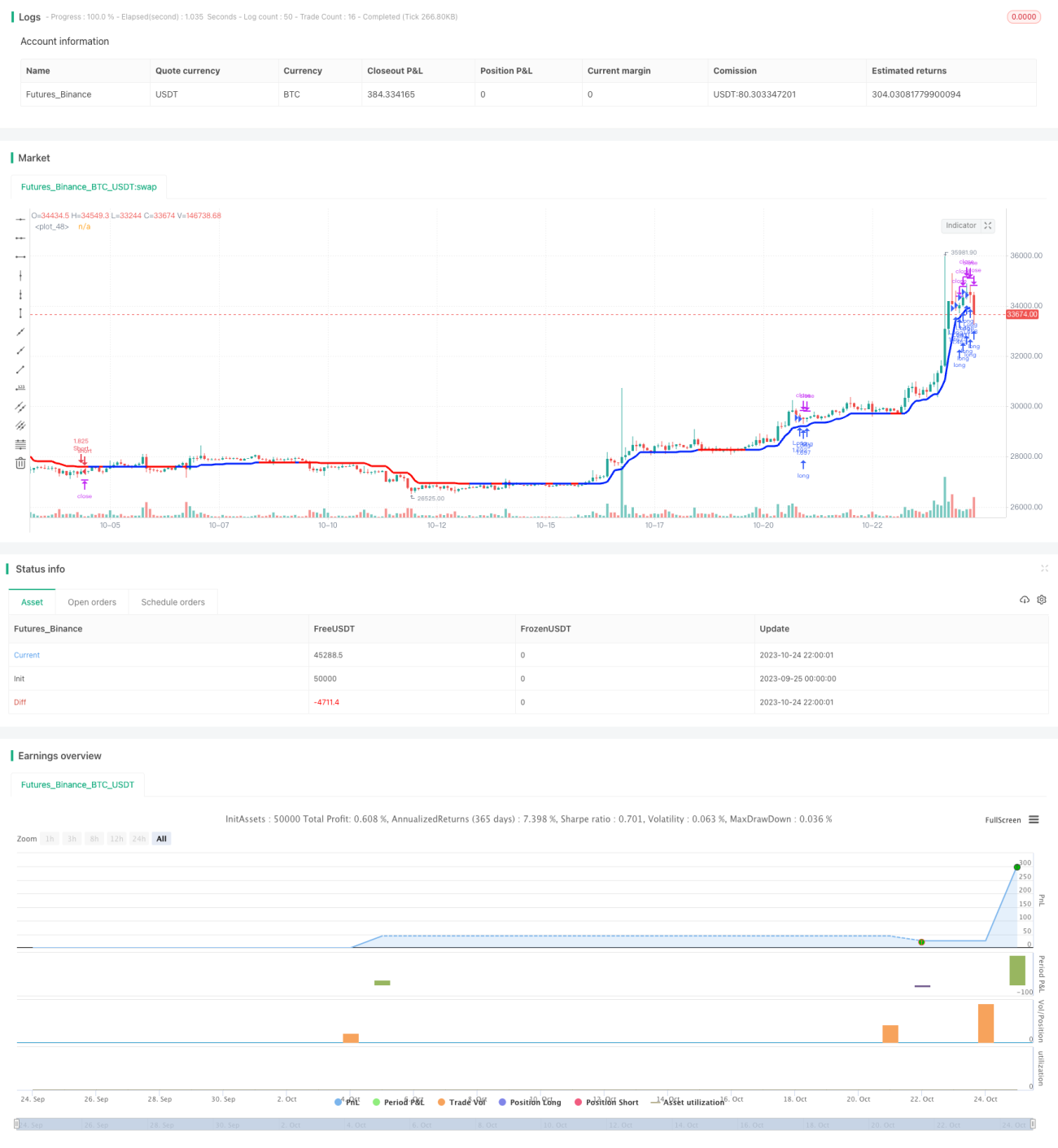
This strategy combines three open-source public indicators - Trend Magic, Squeeze Momentum, and Cumulative Delta Volume to detect extreme movements in the market. These three indicators verify each other and can effectively identify reversal points in the market. This strategy attempts to open positions when all three indicators give buy/sell signals simultaneously, in order to implement low-risk momentum reversal trading.
Strategy Logic
This strategy uses 1-minute or 3-minute candlestick chart, with a stop loss of 1.5 times the ATR from the closing price.
Firstly, the Trend Magic indicator, together with the ATR indicator, judges the trend and volatility of the market. When the CCI indicator is above 0, it indicates that volatility is taking place. At this time, if the ATR indicator position is higher than the price, it indicates an upward trend, otherwise it indicates a downward trend.
Secondly, the Squeeze Momentum indicator judges when volatility increases and decreases. When Bollinger Bands are compressed within Keltner Channels, it indicates that market volatility is decreasing. After this compression state lasts for a period of time, Bollinger Bands will inevitably break through the Keltner Channels, triggering extreme price rises or falls.
Finally, the Cumulative Delta Volume indicator deduces market forces by calculating the difference between buy and sell trading volumes. When trading volume is dominated by the buying side, it indicates that bullish forces are strengthening.
When all three indicators give signals at the same time, it confirms that the market is near a reversal point. At this time, open positions to trade against the current direction.
Advantage Analysis
- Using multiple indicators to confirm can effectively avoid false breakouts
- Breaking Bollinger Bands and Keltner Channels has a relatively high win rate
- Volume reversals indicate a shift in forces, supporting reversal signals
- Reversal trading has relatively low risks and is suitable for short-term operations
Risk Analysis
- Trading on a single timeframe poses significant risks of being trapped
- Reversals may not occur at the first breakout point, risk missing the optimal entry
- Need to also monitor longer timeframes to avoid trading against the trend
- Can choose to only go long or short based on the major trend direction
- Can set ADX conditions to avoid trading when trend is unclear
Optimization Directions
- Add cross-timeframe validation, using longer periods to determine the trend
- Add product screening, choose products with higher volatility
- Adjust indicator parameters to optimize indicator effects
- Incorporate machine learning models to improve win rate
- Combine sentiment indicators, trade against extremes in market sentiment
Conclusion
This strategy uses multiple indicators to determine market trends, and opens positions when multiple indicators give consistent signals. Compared to single indicators, it can filter out more false signals. But since it only operates on a single timeframe, it is still prone to being trapped in trending markets. Next steps could be to incorporate more advanced techniques like machine learning to improve performance, or combine longer timeframe indicators to avoid trading against the trend, making the strategy viable in more market conditions.
- 1