পয়েন্ট ভিত্তিক স্টপ লস ও টেক প্রফিটের ট্রেলিং স্টপ লস কৌশল

সারসংক্ষেপ
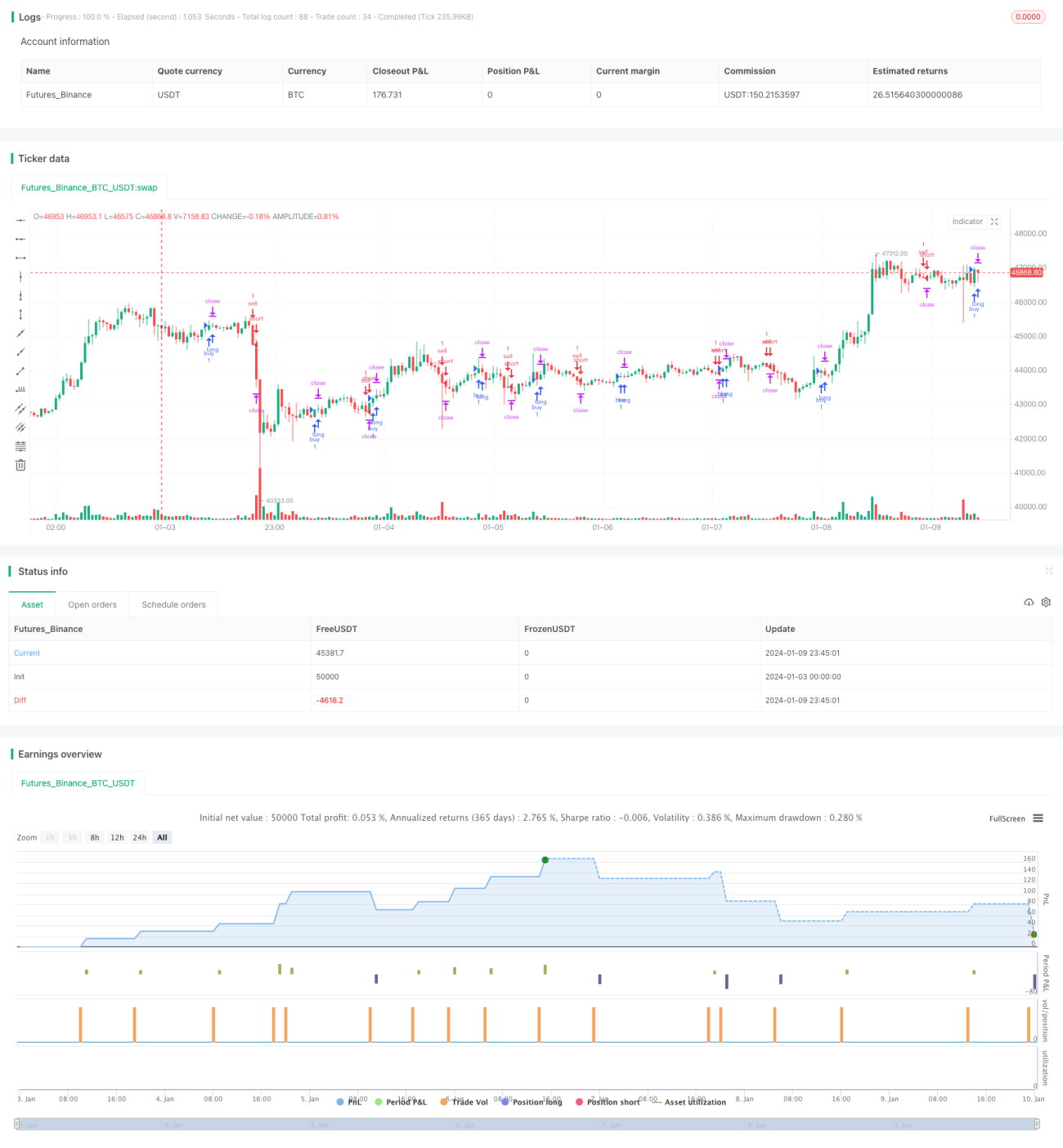
এই স্ট্র্যাটেজির মূল ধারণা হল EMA এবং WMA-এর ক্রসওভারকে এন্ট্রি সিগন্যাল হিসেবে ব্যবহার করা এবং পয়েন্ট-ভিত্তিক স্টপ লস ও টেক প্রফিটের মাধ্যমে ট্রেড করা। এর সবচেয়ে বড় সুবিধা হল ঝুঁকি নিয়ন্ত্রণে নমনীয়তা ও নির্ভুলতা; পয়েন্টের আকার পরিবর্তন করে স্টপ লস ও টেক প্রফিটের পরিধি নিয়ন্ত্রণ করা যায়।
স্ট্র্যাটেজির নীতি
যখন EMA নিচ থেকে উপরে WMA ভেদ করে, তখন লং সিগন্যাল তৈরি হয়; আর যখন EMA উপরে থেকে নিচে WMA ভেদ করে, তখন শর্ট সিগন্যাল তৈরি হয়। পজিশনে প্রবেশের পর এন্ট্রি পয়েন্ট বাস্তব সময়ে গণনা করা হয় এবং সেই ভিত্তিতে স্টপ লস ও টেক প্রফিট নির্ধারণ করা হয়। যেমন, স্টপ লস ২০ পয়েন্ট এবং টেক প্রফিট ১০০ পয়েন্ট সেট করলে, স্টপ লসের নির্দিষ্ট মূল্য হবে এন্ট্রি মূল্য থেকে ২০ পয়েন্ট × কন্ট্রাক্ট ভ্যালু বিয়োগ করে, এবং টেক প্রফিট হবে এন্ট্রি মূল্যতে ১০০ পয়েন্ট × কন্ট্রাক্ট ভ্যালু যোগ করে। এইভাবে ঝুঁকি ও মুনাফা নিয়ন্ত্রণ করা হয়।
একইসাথে, স্ট্র্যাটেজি বর্তমান অর্ডারবুক ও পূর্ববর্তী স্টপ লসের তুলনা করে মুভিং স্টপ লসের অবস্থান সমন্বয় করে, যাতে ট্রেলিং স্টপ লসের মাধ্যমে মূল্য অনুসরণ করা যায়।
সুবিধা বিশ্লেষণ
সাধারণ ফিক্সড পয়েন্ট বা শতাংশের স্টপ লসের তুলনায়, এই স্ট্র্যাটেজির সবচেয়ে বড় সুবিধা হল ঝুঁকি নিয়ন্ত্রণে অত্যন্ত নমনীয় ও নির্ভুল হওয়া। পয়েন্টের আকার পরিবর্তন করলে সরাসরি স্টপ লসের পরিধি প্রভাবিত হয়। এটি বিভিন্ন পণ্যের জন্য অত্যন্ত উপযোগী, বাজারের ওঠানামার ফ্রিকোয়েন্সি ও পরিধি অনুযায়ী সূক্ষ্ম সমন্বয় করা যায়।
এছাড়াও, ট্রেলিং স্টপ লস একটি অত্যন্ত ব্যবহারিক ফিচার। এটি বাজারের বাস্তব সময়ের পরিবর্তনের সাথে স্টপ লসের অবস্থান ট্র্যাক ও সমন্বয় করে, ঝুঁকি নিয়ন্ত্রণ বজায় রেখে সর্বোচ্চ মুনাফা অর্জনের চেষ্টা করে।
ঝুঁকি বিশ্লেষণ
এই স্ট্র্যাটেজির প্রধান ঝুঁকি হল EMA এবং WMA সূচক দুটি থেকেই আসে। যখন বাজারে তীব্র পরিবর্তন হয়, এই সূচকগুলো প্রায়ই ভুল সিগন্যাল দেয় এবং সহজেই স্টপ লস আঘাত করে। তখন স্টপ লসের পয়েন্ট কিছুটা বাড়ানো বা অন্য সূচক কম্বিনেশন ব্যবহার করার পরামর্শ দেওয়া হয়।
আরেকটি ঝুঁকির দিক হল স্টপ লস ও টেক প্রফিট একসাথে সামঞ্জস্য করা কঠিন। বেশি টেক প্রফিটের লক্ষ্য নিলে সাধারণত বেশি ঝুঁকি নিতে হয়, যা বাজার ঘুরে গেলে সহজেই স্টপ লস আঘাত করে। তাই স্টপ লস ও টেক প্রফিটের সেটিংস সাবধানতার সাথে পরীক্ষা ও মূল্যায়ন করা প্রয়োজন।
অপ্টিমাইজেশনের দিকনির্দেশনা
স্ট্র্যাটেজিটি নিম্নলিখিত দিক থেকে অপ্টিমাইজ করা যেতে পারে:
- বিভিন্ন প্যারামিটারের EMA ও WMA কম্বিনেশন পরীক্ষা করে সেরা প্যারামিটার খুঁজে বের করা;
- MACD, KDJ-এর মতো অন্যান্য সূচক ব্যবহার করে বা একত্রিত করে জয়ের হার বাড়ানো যায় কিনা দেখা;
- বিভিন্ন স্টপ লস ও টেক প্রফিট পয়েন্টের ঝুঁকি-রিটার্ন বিশ্লেষণ করে সর্বোত্তম কনফিগারেশন বের করা;
- বিভিন্ন পণ্যের বৈশিষ্ট্য অধ্যয়ন করে প্যারামিটার সমন্বয় করে বিভিন্ন বাজারের সাথে মানিয়ে নেওয়া;
- মেশিন লার্নিং অ্যালগরিদম যুক্ত করে প্যারামিটারের গতিশীল অপ্টিমাইজেশন করা।
সারসংক্ষেপ
এই স্ট্র্যাটেজির মূল চিন্তা সহজ ও স্পষ্ট। এটি EMA ও WMA সূচকের উপর ভিত্তি করে এবং পয়েন্ট-ভিত্তিক স্টপ লস ও টেক প্রফিট মেকানিজম ব্যবহার করে ঝুঁকি নিয়ন্ত্রণ করে। স্ট্র্যাটেজির সুবিধা হল ঝুঁকি নিয়ন্ত্রণ নির্ভুল ও নমনীয়, বিভিন্ন বাজারের সাথে খাপ খাওয়ানো যায়। পরবর্তীতে এন্ট্রি সিগন্যাল, প্যারামিটার নির্বাচন, স্টপ লস মেকানিজম ইত্যাদি গভীরভাবে অপ্টিমাইজ করে জটিল ও পরিবর্তনশীল বাজারের জন্য আরও উপযোগী করা যেতে পারে।
/*backtest
start: 2024-01-03 00:00:00
end: 2024-01-10 00:00:00
period: 45m
basePeriod: 5m
exchanges: [{"eid":"Futures_Binance","currency":"BTC_USDT"}]
*/

// inspiration script from: @ahmad_naquib
// inspiration script link: https://www.tradingview.com/script/tGTV8MkY-Two-Take-Profits-and-Two-Stop-Loss/
// inspiration strategy script name: Two Take Profits and Two Stop Loss
- 1