진동 변동 우수 지표 거래 전략

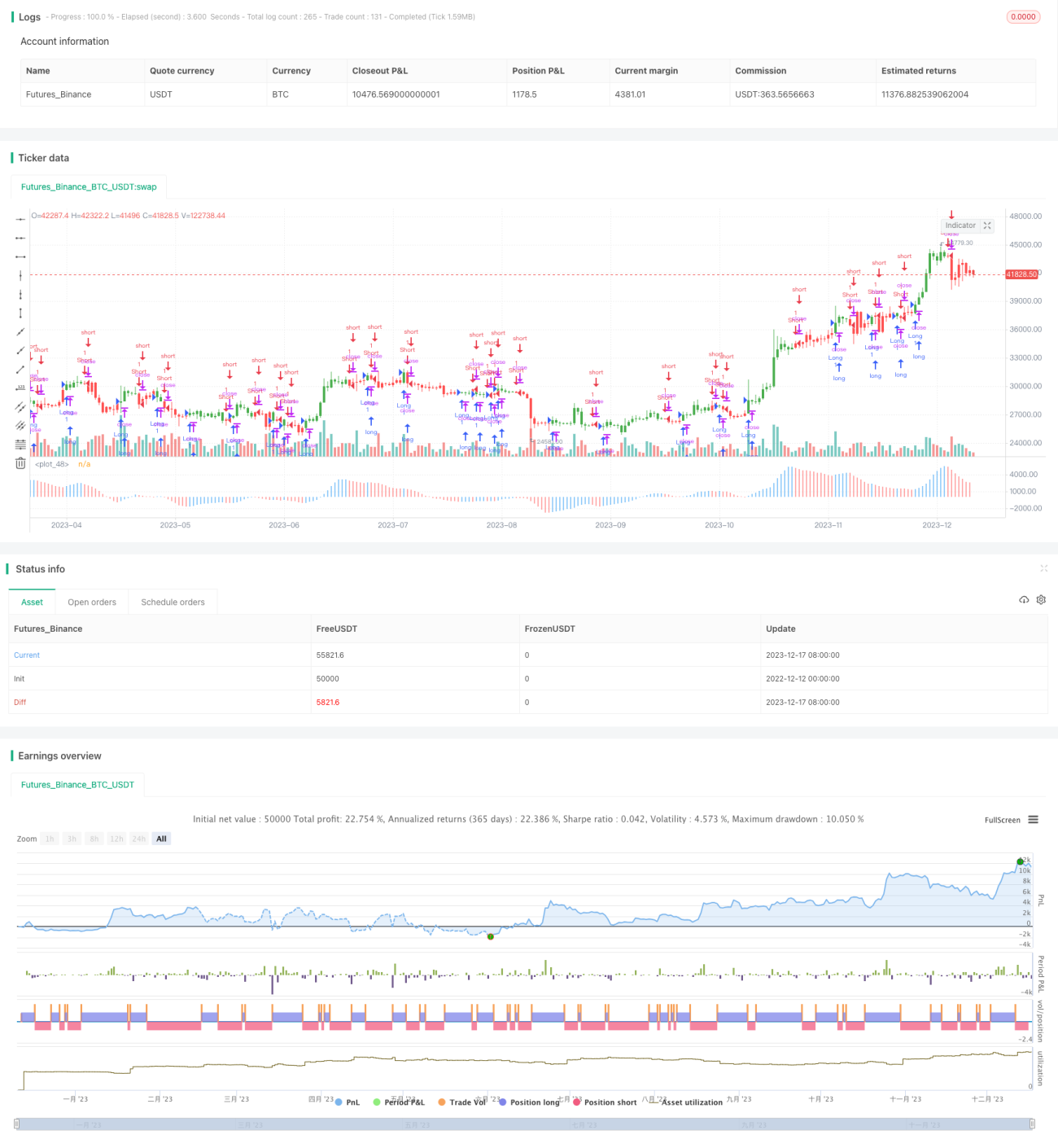
개요
오실레이터 우수 지표 거래 전략은 빌 윌리엄스가 그의 저서 《새로운 거래 차원》에서 제안한 내용을 바탕으로 개발된 퀀트 거래 전략입니다. 이 전략은 빠른 이동평균선과 느린 이동평균선의 차이를 이용하여 오실레이터 지표를 구성하고, 막대그래프 형태로 나타내며, 막대그래프의 색상 변화를 통해 거래 신호를 발생시킵니다.
전략 원리
이 전략의 핵심 지표는 오실레이터 우수 지표(Awesome Oscillator, AO)이며, 계산 공식은 다음과 같습니다.
AO = SMA(Median Price, Fast Length) - SMA(Median Price, Slow Length)
여기서 Median Price는 고가와 저가의 평균값을 취하고, Fast Length는 빠른 이동평균선의 기간 길이를, Slow Length는 느린 이동평균선의 기간 길이를 나타냅니다.
AO 지표는 빠른 이동평균선과 느린 이동평균선의 차이를 통해 서로 다른 시간 규모에서의 시장 가격 변동 상황을 반영합니다. 빠른 이동평균선이 느린 이동평균선보다 높을 때는 단기 가격 세력이 장기 가격 세력보다 강하다는 것을 의미하므로 매수 신호입니다. 빠른 이동평균선이 느린 이동평균선보다 낮을 때는 단기 가격 세력이 장기 가격 세력보다 약하다는 것을 의미하므로 매도 신호입니다.
이 전략은 AO 지표의 현재 값과 이전 기간의 차이를 이용하여 현재 기간의 매수/매도 상태를 판단하고, 막대그래프에 서로 다른 색상으로 표시합니다. 현재 AO 값이 이전 기간보다 크면 파란색으로 표시하여 매수에 적합함을 나타내고, 현재 AO 값이 이전 기간보다 작으면 빨간색으로 표시하여 매도에 적합함을 나타냅니다.
장점 분석
이 전략은 다음과 같은 장점을 가지고 있습니다.
- 이동평균선의 차이를 이용하여 지표를 구성함으로써 가격 데이터를 평활화하여 시장 노이즈를 필터링하는 데 도움이 됩니다.
- 빠른 이동평균선과 느린 이동평균선의 차이를 통해 서로 다른 시간 규모에서의 시장 가격 추세 변화를 포착합니다.
- 막대그래프로 매수/매도 상태를 직관적으로 표시하여 거래 방향을 판단하기 쉽습니다.
- 파라미터를 사용자 정의하여 지표의 민감도를 조정할 수 있어 다양한 거래 상품에 적응할 수 있습니다.
리스크 분석
이 전략은 다음과 같은 일정한 리스크도 가지고 있습니다.
- 파라미터 설정이 적절하지 않으면 거래 신호가 빈번해져 과도한 거래를 초래할 수 있습니다.
- 오실레이터 지표의 구성이 상대적으로 복잡하여 파라미터가 적절하지 않으면 거래 기회를 놓칠 수 있습니다.
- 신호 출처가 단일하므로 다른 지표와 결합하여 확인하고 개선할 수 있습니다.
위 리스크를 줄이기 위해 파라미터 설정을 최적화하고, 지표 구성을 조정하며, 다른 지표를 보조적으로 활용하여 검증할 수 있습니다.
최적화 방향
이 전략은 다음과 같은 몇 가지 측면에서 최적화할 수 있습니다.
- 빠른 이동평균선과 느린 이동평균선의 기간 파라미터를 최적화하여 최적의 파라미터 조합을 찾습니다.
- AO 지표 구성에 다른 유형의 이동평균선(예: EMA, LWMA 등)을 시도합니다.
- 추세형 지표와 오실레이터형 지표를 결합하여 지표 효과를 높입니다.
- 손절매 메커니즘을 추가하여 단일 손실을 제어합니다.
요약
종합하면, 오실레이터 우수 지표 거래 전략은 빠른 이동평균선과 느린 이동평균선의 차이를 이용하여 가격 추세 변화를 판단함으로써 단기 반전 기회를 효과적으로 발견할 수 있습니다. 이 전략은 개념이 명확하고 구현이 쉬우며, 파라미터 최적화 및 다른 지표와의 결합을 통해 좋은 거래 성과를 기대할 수 있습니다.
/*backtest
start: 2022-12-12 00:00:00
end: 2023-12-18 00:00:00
period: 1d
basePeriod: 1h
exchanges: [{"eid":"Futures_Binance","currency":"BTC_USDT"}]
*/

//@version=2
////////////////////////////////////////////////////////////
//  Copyright by HPotter v1.0 29/12/2016
// This indicator is based on Bill Williams` recommendations from his book - 1