多重指数移动平均线与相对强弱指数趋势过滤交易策略

EMA RSI MA ATR RR
创建日期: 2025-08-12 09:15:34 最后修改: 2025-08-12 09:15:34
复制: 0 点击次数: 250
avatar of ianzeng123 ianzeng123
2
关注
319
关注者

多重指数移动平均线与相对强弱指数趋势过滤交易策略 多重指数移动平均线与相对强弱指数趋势过滤交易策略

概述

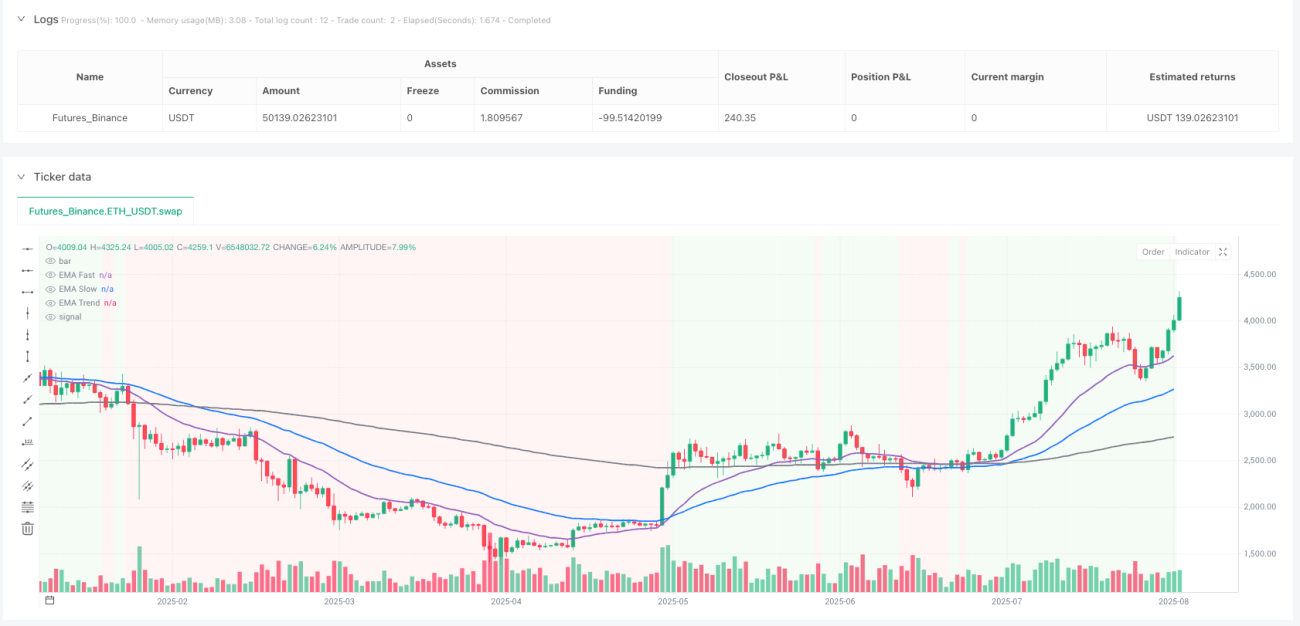
该策略是一个结合了多重指数移动平均线(EMA)和相对强弱指数(RSI)的综合性趋势跟踪交易系统。该策略利用三条不同周期的EMA(20, 50, 200)来确定市场趋势方向,并使用RSI指标作为额外的过滤条件,以避免在过度买入或过度卖出的市场环境中入场。这种方法融合了趋势跟踪和动量反转的思想,为交易者提供了一个既能捕捉趋势又能避免错误信号的完整系统。

策略原理

该策略的核心逻辑基于以下几个关键组件:

  1. 趋势识别:使用EMA200作为长期趋势指标。当价格高于EMA200时,被视为上升趋势;当价格低于EMA200时,被视为下降趋势。

  2. 入场信号:通过EMA20与EMA50的交叉来生成交易信号。具体而言:

    • 多头信号:当EMA20上穿EMA50,且价格高于EMA200时
    • 空头信号:当EMA20下穿EMA50,且价格低于EMA200时
  3. 额外确认:策略提供可选的入场确认条件:

    • 要求收盘价高于/低于EMA20和EMA50
    • RSI过滤器:多头要求RSI不超过70,空头要求RSI不低于30
  4. 风险管理:策略提供两种止损方法:

    • 基于ATR的止损:使用ATR乘数计算动态止损
    • 基于摆动点的止损:使用前N个K线的最低/最高点
  5. 获利管理:使用风险回报比(R倍数)设置获利目标,默认为2R

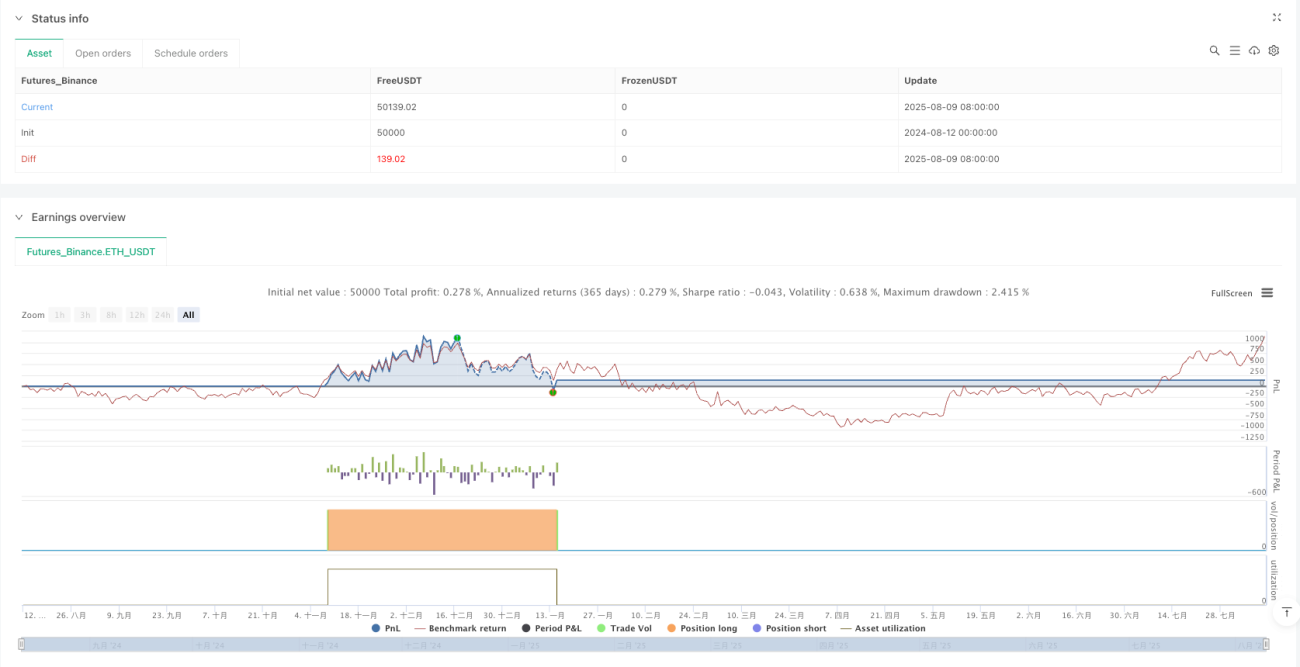
  6. 仓位管理:基于账户权益的固定百分比风险模型,确保每笔交易风险一致

  7. 退出机制:除了止损和获利目标外,还可以选择在出现相反的EMA交叉信号时退出

策略优势

深入分析该策略的代码实现,可以总结出以下几个明显的优势:

  1. 多层次趋势确认:通过三条不同周期的EMA,策略能够有效识别并确认市场趋势,减少假信号。长期EMA(200)确定大趋势,而短期EMA(2050)交叉则捕捉趋势内的入场机会。

  2. 过滤假突破:RSI过滤器有效地避免了在过度买入或过度卖出的市场条件下入场,这大大减少了在市场即将反转时的错误交易。

  3. 灵活的风险管理:策略提供两种止损方法(ATR和摆动点),使交易者能够根据不同的市场环境选择最适合的风险控制手段。

  4. 动态仓位管理:基于账户权益的百分比风险计算确保了在不同市场波动条件下的一致风险敞口,这是专业交易系统的关键特征。

  5. 多重退出机制:策略不仅有止损和获利目标,还可以选择在趋势反转信号出现时退出,这提供了更全面的风险控制。

  6. 透明的参数化设计:所有关键参数都可以通过输入界面进行调整,使交易者能够根据自己的风险偏好和交易风格定制策略。

策略风险

尽管该策略设计全面,但仍存在一些潜在风险和局限性:

  1. 参数敏感性:策略高度依赖于EMA和RSI参数的选择。不适当的参数设置可能导致过度交易或错过重要的交易机会。解决方法是通过历史回测优化参数,找到适合特定市场的最佳组合。

  2. 趋势转换延迟:使用移动平均线作为趋势指标固有的缺点是存在滞后性,可能在趋势反转初期产生较大的回撤。可以考虑加入更敏感的趋势指标作为辅助。

  3. RSI过滤的局限性:虽然RSI过滤器有助于避免过度买入/卖出的市场,但在强趋势市场中,RSI可能长时间保持在极端区域,导致错过有利的交易机会。解决方法是在不同市场环境中调整RSI阈值。

  4. 固定比例止盈限制:使用固定的风险回报比(R倍数)设置获利目标,可能不适应所有市场条件。市场波动性变化时,可能需要动态调整风险回报比。

  5. 交易成本影响:虽然策略考虑了0.05%的佣金,但在高频交易环境中,滑点和其他交易成本可能显著影响策略表现。应在回测中加入更真实的交易成本模型。

策略优化方向

基于对策略的深入分析,以下是几个可能的优化方向:

  1. 动态参数调整:考虑根据市场波动性自动调整EMA周期和RSI阈值。例如,在高波动市场中使用较长的EMA周期,在低波动市场中使用较短的周期。这可以通过加入ATR或历史波动率指标来实现。

  2. 多时间框架分析:增加对更高时间框架趋势的确认,例如,只在日线趋势方向与当前交易时间框架一致时才入场。这有助于减少逆势交易的风险。

  3. 改进的获利管理:考虑实施分批获利策略,例如在达到1R时关闭部分仓位,让剩余部分继续运行以捕捉更大的趋势。这种方法可以平衡锁定利润和追踪趋势的需求。

  4. 加入成交量分析:在交易信号确认中加入成交量过滤器,只有当成交量支持价格走势时才入场。这有助于确认趋势的强度和可靠性。

  5. 机器学习优化:使用机器学习算法自动识别不同市场环境,并为每种环境选择最佳的策略参数组合。这可以显著提高策略在不同市场条件下的适应性。

  6. 考虑市场季节性和时间因素:在某些市场中,特定的时间段或季节可能更适合这种趋势跟踪策略。分析历史数据以识别最佳交易时段可以进一步提高策略表现。

总结

多重指数移动平均线与相对强弱指数趋势过滤交易策略是一个设计全面的趋势跟踪系统,它结合了技术分析的多个关键元素:趋势识别、动量确认、风险管理和仓位控制。通过使用三条不同周期的EMA来确定趋势,并结合RSI过滤器避免过度买入/卖出区域的交易,该策略提供了一个平衡的方法来捕捉市场趋势同时控制风险。

该策略的主要优势在于其多层次的趋势确认机制和全面的风险管理系统,包括动态止损、基于风险的仓位管理和多重退出机制。然而,它也面临参数敏感性和移动平均线滞后性等固有挑战。

通过进一步优化,如动态参数调整、多时间框架分析和改进的获利管理策略,交易者可以增强该系统的适应性和盈利能力。总的来说,这是一个结构良好的策略框架,可以作为趋势跟踪交易系统的坚实基础,适合中长期交易者使用。

策略源码
/*backtest
start: 2024-08-12 00:00:00
end: 2025-08-10 08:00:00
period: 1d
basePeriod: 1d
exchanges: [{"eid":"Futures_Binance","currency":"ETH_USDT"}]
*/

//@version=5
strategy("EMA20/50/200 + RSI Swing (Trend Filter)", overlay=true, initial_capital=100000, pyramiding=0,
     commission_type=strategy.commission.percent, commission_value=0.05)

// ==== Inputs ====
lenFast   = input.int(20,  "EMA Fast",  minval=1)
lenSlow   = input.int(50,  "EMA Slow",  minval=1)
lenTrend  = input.int(200, "EMA Trend", minval=1)

useLong   = input.bool(true,  "Enable Longs")
useShort  = input.bool(false, "Enable Shorts")

// RSI filter
rsiLen      = input.int(14,  "RSI Length", minval=1)
useRsi      = input.bool(true, "Use RSI Filter")
rsiMaxLong  = input.float(70.0, "Max RSI for Long",  step=0.1)
rsiMinShort = input.float(30.0, "Min RSI for Short", step=0.1)

// Entry confirmation: require close above/below fast & slow EMA
requireCloseConfirm = input.bool(true, "Require close above/below EMA20 & EMA50 for entry")

// Risk Management
riskType   = input.string("ATR", "Stop Basis", options=["ATR","Swing"])
atrLen     = input.int(14, "ATR Length", minval=1)
atrMult    = input.float(2.0, "ATR Multiplier", step=0.1)
swingLen   = input.int(5,  "Swing Lookback (bars)", minval=1)

useTP      = input.bool(true,  "Use Take-Profit (R multiple)")
rr         = input.float(2.0,  "Reward/Risk (TP in R)", step=0.1, minval=0.1)

posSizePct = input.float(10, "Position Size % of Equity", step=0.5, minval=0.1, maxval=100)

exitOnOpposite = input.bool(true, "Exit on opposite EMA cross")

// ==== Indicators ====
emaFast  = ta.ema(close, lenFast)
emaSlow  = ta.ema(close, lenSlow)
emaTrend = ta.ema(close, lenTrend)
rsi      = ta.rsi(close, rsiLen)

// ==== Conditions ====
trendUp   = close > emaTrend
trendDown = close < emaTrend

crossUp   = ta.crossover(emaFast, emaSlow)
crossDown = ta.crossunder(emaFast, emaSlow)

confirmLong  = not requireCloseConfirm or (close > emaFast and close > emaSlow)
confirmShort = not requireCloseConfirm or (close < emaFast and close < emaSlow)

rsiOKLong  = not useRsi or (rsi <= rsiMaxLong)
rsiOKShort = not useRsi or (rsi >= rsiMinShort)

longSignal  = useLong  and trendUp   and crossUp   and confirmLong  and rsiOKLong
shortSignal = useShort and trendDown and crossDown and confirmShort and rsiOKShort

// ==== Stops & Take Profit helpers ====
getLongStop() =>
    float stop = na
    if riskType == "ATR"
        stop := close - ta.atr(atrLen) * atrMult
    else
        stop := ta.lowest(low, swingLen)
    stop

getShortStop() =>
    float stop = na
    if riskType == "ATR"
        stop := close + ta.atr(atrLen) * atrMult
    else
        stop := ta.highest(high, swingLen)
    stop

// ==== Position sizing ====
capital     = strategy.equity
qtyPercent  = posSizePct * 0.01

// ==== Entries & Exits ====
if (longSignal)
    longStop = getLongStop()
    riskPerShare = math.max(close - longStop, syminfo.mintick)
    qty = math.floor((capital * qtyPercent) / riskPerShare)
    strategy.entry("Long", strategy.long, qty)
    tp = useTP ? close + riskPerShare * rr : na
    strategy.exit("Long-Exit", "Long", stop=longStop, limit=tp)

if (shortSignal)
    shortStop = getShortStop()
    riskPerShare = math.max(shortStop - close, syminfo.mintick)
    qty = math.floor((capital * qtyPercent) / riskPerShare)
    strategy.entry("Short", strategy.short, qty)
    tp = useTP ? close - riskPerShare * rr : na
    strategy.exit("Short-Exit", "Short", stop=shortStop, limit=tp)

// Optional exit on opposite cross
if exitOnOpposite
    if strategy.position_size > 0 and crossDown
        strategy.close("Long", comment="Opposite cross")
    if strategy.position_size < 0 and crossUp
        strategy.close("Short", comment="Opposite cross")

// ==== Visuals ====
plot(emaFast,  title="EMA Fast",  linewidth=2)
plot(emaSlow,  title="EMA Slow",  linewidth=2)
plot(emaTrend, title="EMA Trend", color=color.new(color.gray, 0), linewidth=2)

// markers utan text-param
plotshape(longSignal,  title="Long Signal",  style=shape.triangleup,   location=location.belowbar, color=color.new(color.lime, 0), size=size.tiny)
plotshape(shortSignal, title="Short Signal", style=shape.triangledown, location=location.abovebar, color=color.new(color.red,  0), size=size.tiny)

bgcolor(trendUp ? color.new(color.green, 92) : trendDown ? color.new(color.red, 92) : na)

// ==== Alerts ====
alertcondition(longSignal,  title="Long Signal",  message="EMA20 crossed above EMA50 with price > EMA200 and RSI filter OK")
alertcondition(shortSignal, title="Short Signal", message="EMA20 crossed below EMA50 with price < EMA200 and RSI filter OK")

// ==== Notes panel ====
var label note = na
if barstate.islast
    label.delete(note)
    msg = "EMA20/50/200 + RSI Swing\n" +
          "Long: TrendUp & CrossUp & (ConfirmClose=" + str.tostring(requireCloseConfirm) + ") & (RSI<=" + str.tostring(rsiMaxLong) + ")\n" +
          "Short: TrendDown & CrossDown & (ConfirmClose=" + str.tostring(requireCloseConfirm) + ") & (RSI>=" + str.tostring(rsiMinShort) + ")\n" +
          "Stops: " + riskType + (riskType=="ATR" ? " (" + str.tostring(atrLen) + ", x" + str.tostring(atrMult) + ")" : " (swing len=" + str.tostring(swingLen) + ")") +
          (useTP ? " | TP=" + str.tostring(rr) + "R" : " | TP: off")
    note := label.new(bar_index, high, msg, style=label.style_label_upper_left, textcolor=color.white, color=color.new(color.black, 20))
相关推荐