가우스 오차 함수 기반의 퀀트 트레이딩 전략

개요
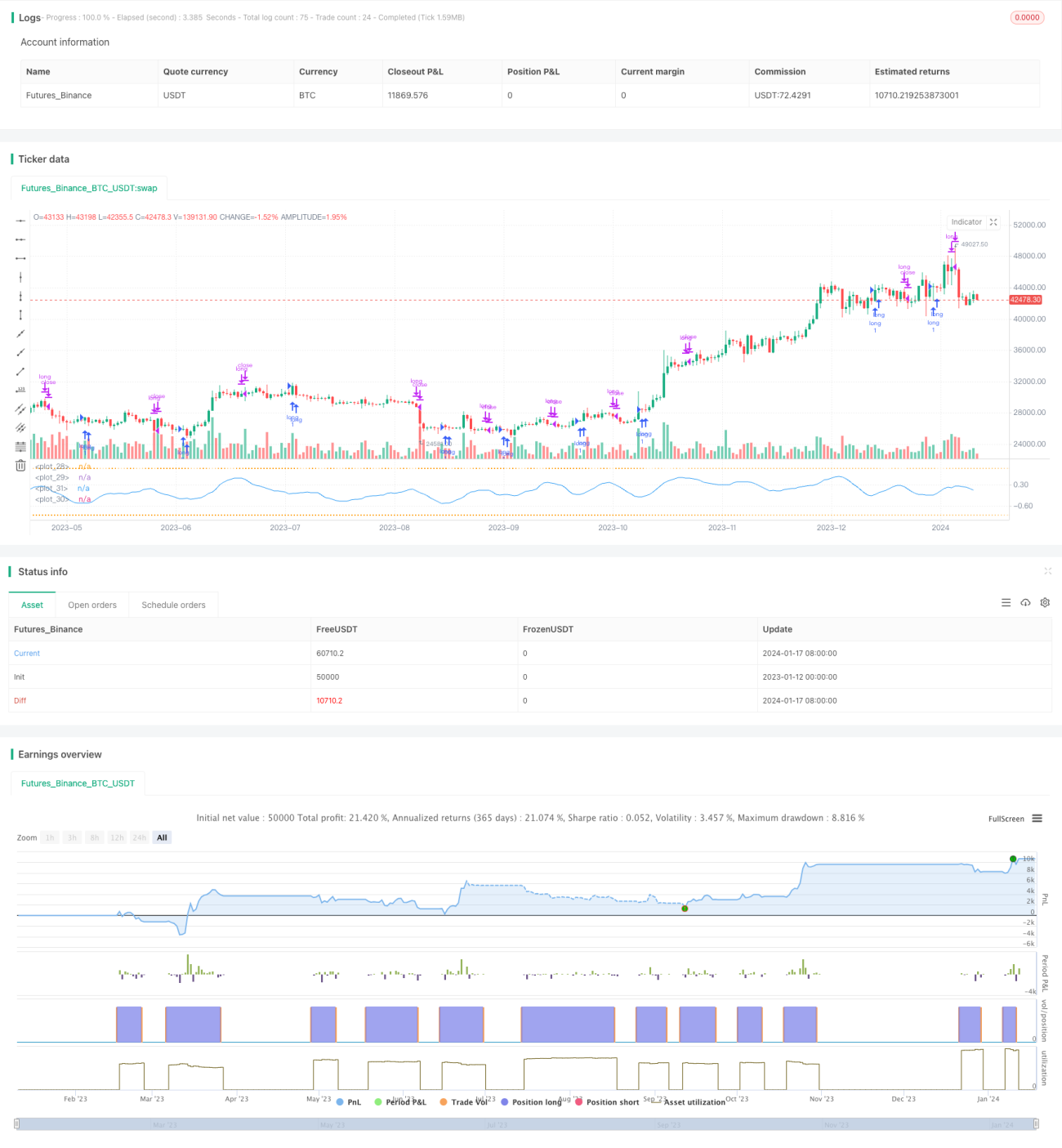
이 전략은 가우스 오차 함수를 사용하여 가격 변화를 계산하는 P-Signal 지표를 기반으로 한 퀀트 트레이딩 전략입니다. P-Signal 지표를 사용하여 가격 추세와 전환점을 판단하고, 이를 통해 진입 및 청산 시점을 결정합니다.
전략 원리
이 전략의 핵심 지표는 P-Signal입니다. P-Signal의 계산식은 다음과 같습니다.
fPSignal(ser, int) =>
nStDev = stdev(ser, int)
nSma = sma(ser, int)
fErf(nStDev > 0 ? nSma/nStDev/sqrt(2) : 1.0)
여기서 ser은 가격 시계열, int는 매개변수 nPoints로, 몇 개의 캔들을 볼지를 나타냅니다. 이 공식은 세 부분으로 구성됩니다.
nStDev는 가격의 표준편차입니다.nSma는 가격의 단순 이동평균입니다.fErf는 가우스 오차 함수입니다.
공식의 의미는 가격의 이동평균을 표준편차로 나누고, 다시 sqrt(2)로 나누어 표준화한 후, 가우스 오차 함수를 통해 (-1, 1) 구간으로 매핑하는 것입니다. 즉, 가격 변동이 평균보다 크면 P-Signal은 1에 가깝고, 변동이 평균보다 작으면 -1에 가깝습니다.
전략은 P-Signal의 값과 변화 부호를 사용하여 진입 및 청산을 결정합니다.
            strategy.entry("long", strategy.long, 1, when = nPSignal < 0 and ndPSignal > 0)

strategy.close("long", when = nPSignal > 0 and ndPSignal < 0)
P-Signal이 0보다 작고 변화가 양수일 때 매수하고, P-Signal이 0보다 크고 변화가 음수일 때 포지션을 청산합니다.
전략의 장점
이 전략은 다음과 같은 장점을 가지고 있습니다.
- 가우스 오차 함수를 사용하여 가격 분포를 피팅합니다. 가우스 오차 함수는 정규 분포를 잘 피팅할 수 있으며, 이는 대부분의 금융 시계열 분포 특성과 일치합니다.
- 가격의 표준편차를 활용하여 매개변수를 자동으로 조정합니다. 이로 인해 전략의 매개변수 범위가 더 넓어지고 시장 변화에 더 강건해집니다.
- P-Signal 지표는 추세와 반전 트레이딩의 장점을 결합합니다. 가격 변동 추세뿐만 아니라 가격 반전 포인트도 고려하여 추세 추종 및 반전 매매 기회를 포착하는 데 도움이 됩니다.
위험 분석
이 전략에는 몇 가지 위험이 존재하며, 주로 다음과 같습니다.
- 고빈도 거래 위험. 이 전략은 전형적인 고빈도 거래 전략으로, 많은 거래를 발생시켜 더 높은 거래 비용과 슬리피지 위험을 감수합니다.
- 횡보장에서 성과 부진. P-Signal 지표는 가격에 뚜렷한 추세나 규칙이 없는 시장에서 많은 허위 신호를 생성합니다.
- 매개변수 최적화의 어려움. 공식 내 여러 매개변수 간 관계가 복잡하여 최적화가 까다롭습니다.
이러한 위험을 완화하기 위해 필터 조건을 추가하여 거래 빈도를 줄이고, 매개변수 조합 및 거래 비용 설정을 최적화하며, 실전 테스트를 통해 적합한 종목을 선택하는 것을 고려할 수 있습니다.
최적화 방향
이 전략은 추가 최적화 여지가 있으며, 주요 방향은 다음과 같습니다.
- 필터 조건을 추가하여 허위 신호 방지. 예를 들어 다른 지표와 AND 또는 OR 조건을 결합하여 노이즈를 필터링합니다.
- 매개변수 조합 최적화. 다양한 종목과 주기에 따라
nPoints크기를 조정하여 전략 안정성을 개선합니다. - 동적 매개변수 고려.
nPoints매개변수를 시장 변동성에 따라 적응적으로 조정하면 전략의 강건성이 향상될 수 있습니다. - 머신러닝 방법 결합. AI 알고리즘을 사용하여 매개변수, 필터 조건 및 다종목 타이밍을 최적화합니다.
결론
전반적으로 이 전략의 핵심 아이디어는 참신하며, 가우스 함수를 사용하여 가격 분포를 피팅하고 매개변수 범위를 자동으로 조정합니다. 그러나 고빈도 거래 전략이므로 실전에서 안정적인 수익을 내기 위해서는 추가 테스트와 최적화, 특히 위험 관리와 매개변수 조정 측면에서 개선이 필요합니다.
/*backtest
start: 2023-01-12 00:00:00
end: 2024-01-18 00:00:00
period: 1d
basePeriod: 1h
exchanges: [{"eid":"Futures_Binance","currency":"BTC_USDT"}]
*/

// **********************************************************************************************************
// This source code is subject to the terms of the Mozilla Public License 2.0 at https://mozilla.org/MPL/2.0/
// P-Signal Strategy © Kharevsky
// @version=4- 1