Estrategia de trading BabyShark basada en los indicadores VWAP y OBV RSI

Resumen de la estrategia
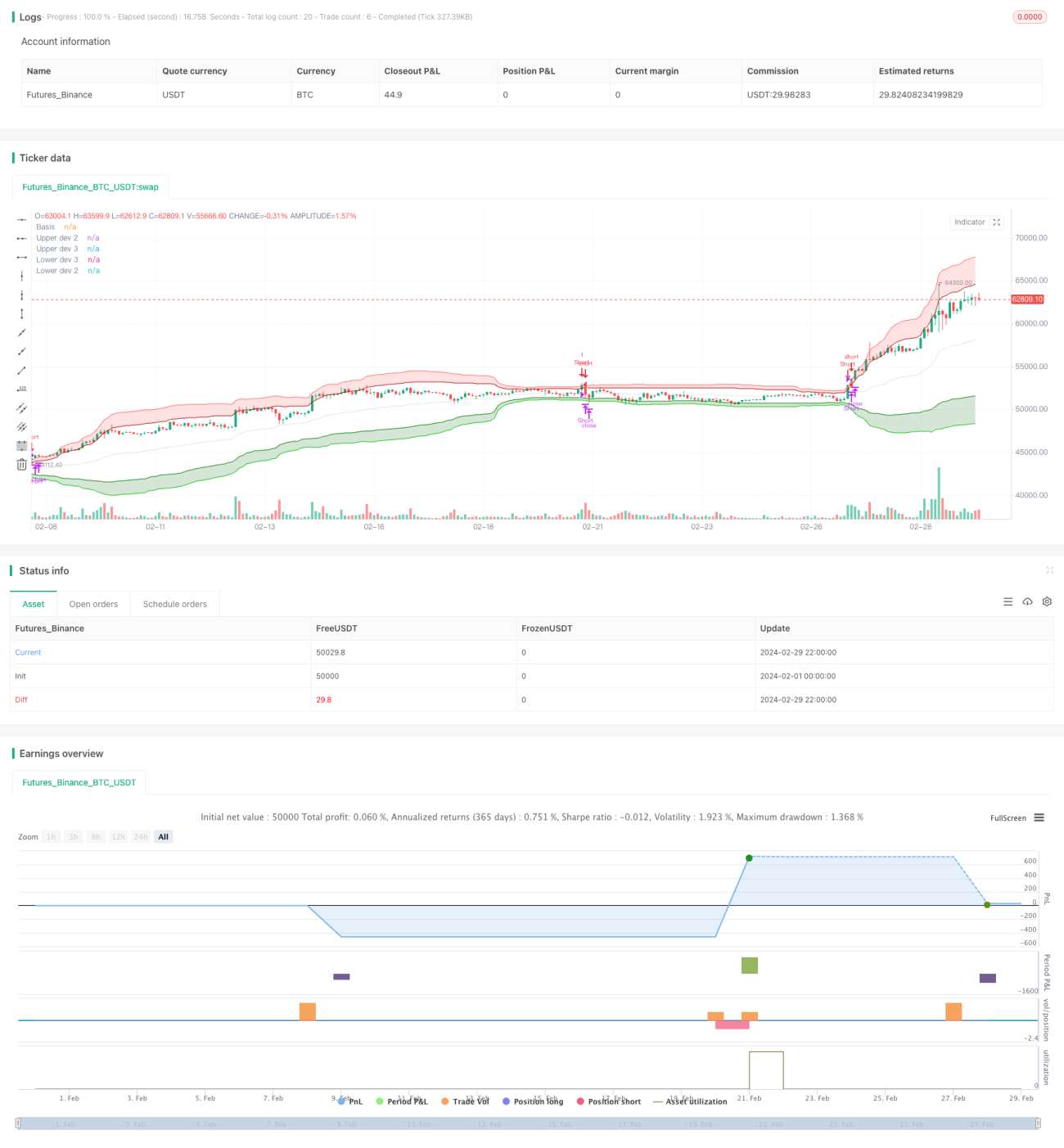
La estrategia de trading BabyShark VWAP es una estrategia cuantitativa basada en el precio promedio ponderado por volumen (VWAP) y el índice de fuerza relativa del indicador de balance de volumen (OBV RSI). Esta estrategia tiene como objetivo identificar señales potenciales de compra y venta según el grado de desviación del precio respecto al VWAP y la ruptura de umbrales específicos del OBV RSI.
Principio de la estrategia
El principio central de esta estrategia utiliza dos indicadores, VWAP y OBV RSI, para capturar los cambios en la tendencia y el impulso del mercado. El VWAP es una media móvil dinámica basada en precio y volumen que refleja la zona principal de negociación del mercado. Cuando el precio se desvía significativamente del VWAP, generalmente indica que el mercado está en condiciones de sobrecompra o sobreventa. Por otro lado, el OBV RSI incorpora el factor de volumen sobre la base del RSI tradicional, midiendo la solidez de la tendencia del mercado a través de la intensidad de los cambios en el volumen.
Específicamente, la estrategia utiliza 60 velas como período de cálculo del VWAP, tomando el precio de cierre como dato de entrada. Luego, construye zonas de sobrecompra y sobreventa basándose en la desviación del precio respecto al VWAP de más o menos 3 desviaciones estándar. Para el OBV RSI, se utilizan 5 velas como período de cálculo, estableciendo umbrales de 70 y 30 como criterios de sobrecompra y sobreventa.
En cuanto a la lógica de trading, cuando el precio se encuentra en la zona de sobreventa por debajo del VWAP y el OBV RSI es inferior a 30, la estrategia emite una señal de compra (largo); mientras que cuando el precio está en la zona de sobrecompra por encima del VWAP y el OBV RSI es superior a 70, emite una señal de venta (corto). Además, la estrategia establece un stop-loss y take-profit del 0,6%, e introduce un período de enfriamiento de 10 velas después de pérdidas consecutivas para controlar el riesgo.
Ventajas de la estrategia
- Combina múltiples factores del mercado como precio y volumen, capturando de manera integral las tendencias y el impulso del mercado.
- Utiliza indicadores dinámicos como VWAP y OBV RSI, que pueden adaptarse a los cambios en diferentes ciclos del mercado.
- Establece proporciones razonables de stop-loss y take-profit, junto con un período de enfriamiento, controlando eficazmente el riesgo mientras se aprovechan las oportunidades.
- Lógica clara, fácil de entender e implementar, con cierta capacidad de explicación.
- Parámetros ajustables, adecuados para que traders de diferentes estilos realicen optimizaciones y mejoras.
Riesgos de la estrategia
- En mercados laterales o con repetición de movimientos, las señales frecuentes pueden provocar un exceso de trading y un aumento de los costos de deslizamiento.
- En tendencias de mercado, depender únicamente del VWAP para el take-profit puede hacer que la estrategia salga demasiado pronto, perdiendo ganancias adicionales de la tendencia.
- Los parámetros fijos pueden no adaptarse a los cambios en el entorno del mercado, requiriendo optimización para diferentes instrumentos y períodos.
- El indicador OBV depende en gran medida del volumen; si los datos de volumen no son reales o están manipulados, la distorsión del indicador puede llevar a juicios erróneos.
- La estrategia carece de consideraciones sobre factores externos como la macroeconomía o las noticias, por lo que puede fallar en condiciones extremas del mercado.
Direcciones de optimización
- Introducir más filtros para mercados laterales, como indicadores de confirmación de tendencia o indicadores de volatilidad, para reducir el trading frecuente.
- Optimizar las condiciones de salida, como utilizar trailing stop-loss o combinarlos con otros indicadores de seguimiento de tendencias para aprovechar mejor las tendencias.
- Realizar una optimización adaptativa de los parámetros de VWAP y OBV RSI, ajustando dinámicamente el período de cálculo y la configuración de umbrales.
- Incorporar mecanismos de verificación de la autenticidad del volumen para mejorar la fiabilidad del indicador OBV RSI.
- Considerar agregar análisis de datos macroeconómicos e indicadores de sentimiento para mejorar la adaptabilidad y robustez de la estrategia.
Conclusión
La estrategia de trading BabyShark VWAP es una estrategia cuantitativa que combina el precio promedio ponderado por volumen y el índice de fuerza relativa del indicador de balance de volumen, generando señales de trading al capturar las condiciones de sobrecompra/sobreventa y los cambios en el impulso de la tendencia. La estrategia tiene una lógica clara e integra múltiples factores del mercado como precio y volumen, lo que permite captar de manera integral el pulso del mercado. Al mismo tiempo, el establecimiento razonable de stop-loss y take-profit, junto con mecanismos de control de riesgo, permite que la estrategia equilibre la búsqueda de ganancias con la gestión del riesgo. Por supuesto, la estrategia también tiene posibles problemas como una adaptación insuficiente a mercados laterales y tendencias, así como parámetros fijos. En el futuro, se puede mejorar y aumentar la solidez y rentabilidad de la estrategia optimizando los filtros de entrada, el take-profit dinámico, la adaptación de parámetros y la incorporación de análisis de datos externos. En general, la estrategia BabyShark VWAP proporciona un marco y una referencia útil para la práctica del trading cuantitativo, que merece una mayor exploración y mejora.
/*backtest
start: 2024-02-01 00:00:00
end: 2024-02-29 23:59:59
period: 2h
basePeriod: 15m
exchanges: [{"eid":"Futures_Binance","currency":"BTC_USDT"}]
*/

// This Pine Script™ code is subject to the terms of the Mozilla Public License 2.0 at https://mozilla.org/MPL/2.0/
// © GreatestUsername

//@version=5- 1