मासिक बंद मूल्य और मूविंग एवरेज क्रॉसओवर रणनीति

अवलोकन
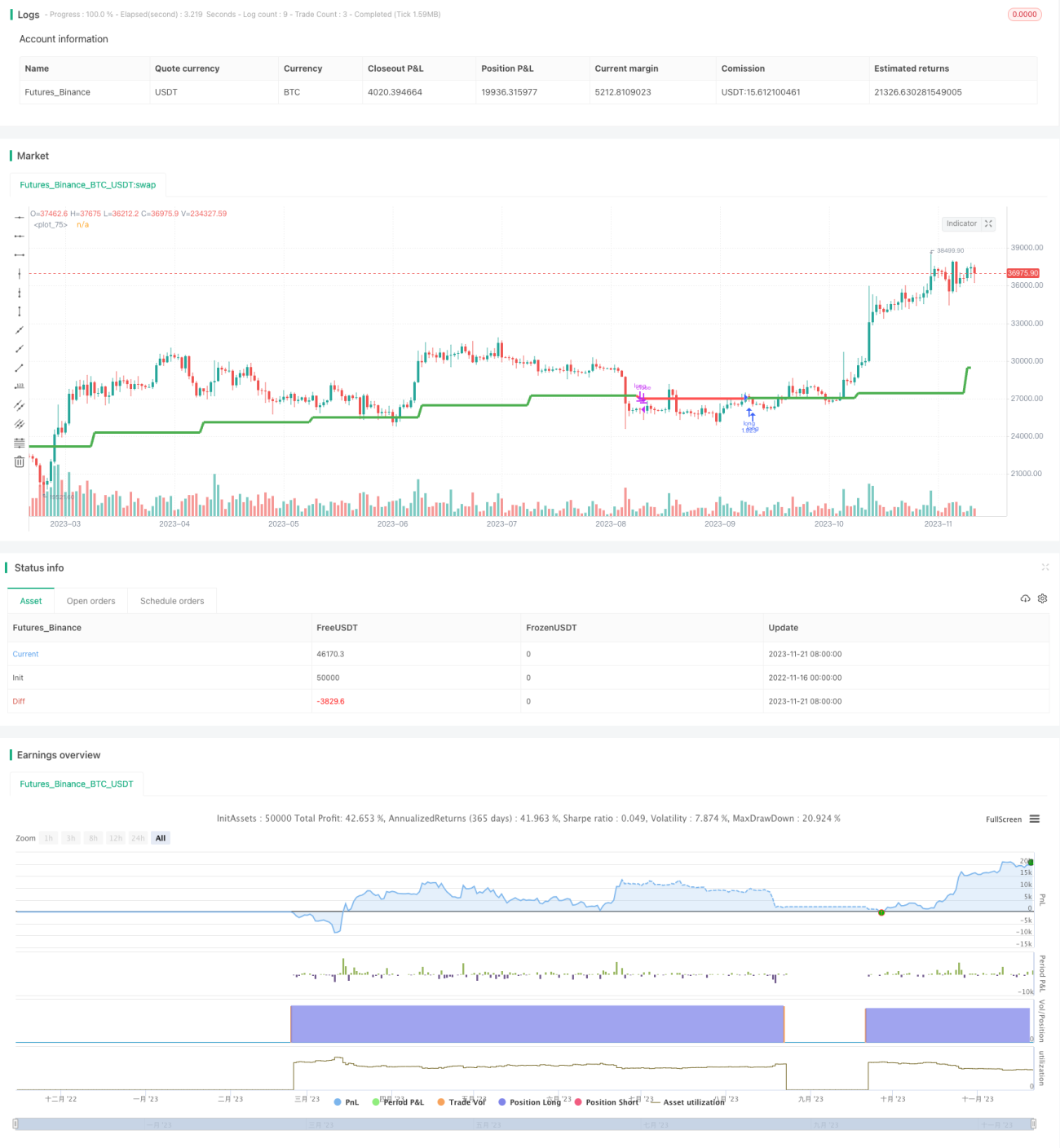
यह रणनीति मासिक समापन मूल्य और मूविंग एवरेज के क्रॉसओवर का उपयोग करके ट्रेडिंग सिग्नल उत्पन्न करती है। जब मासिक समापन मूल्य मूविंग एवरेज को ऊपर की ओर पार करता है, तो लॉन्ग पोजीशन लें; जब मासिक समापन मूल्य मूविंग एवरेज को नीचे की ओर पार करता है, तो पोजीशन बंद करें।
रणनीति का सिद्धांत
इस रणनीति का मुख्य तर्क है:
- मूविंग एवरेज की अवधि पैरामीटर इनपुट करें, SMA या EMA चुन सकते हैं
- मूविंग एवरेज प्रदर्शित करने का विकल्प होता है
- किसी अन्य स्टॉक के समापन मूल्य को सिग्नल के रूप में चुन सकते हैं
- मासिक समापन मूल्य और मूविंग एवरेज के संबंध के आधार पर ट्रेडिंग सिग्नल का निर्धारण करें
- समापन मूल्य ऊपर की ओर मूविंग एवरेज को पार करता है, तो लॉन्ग पोजीशन लें
- समापन मूल्य नीचे की ओर मूविंग एवरेज को पार करता है, तो पोजीशन बंद करें
यह रणनीति मूविंग एवरेज की स्मूथिंग विशेषता का उपयोग करके मूल्य के कुछ शोर को फ़िल्टर करती है और स्टॉक मूल्य के मध्यम अवधि के रुझान में बदलाव को पकड़ती है। जब मूल्य मूविंग एवरेज से ऊपर जाता है, तो यह संकेत देता है कि मूल्य एक तेजी के रुझान में है; जब मूल्य मूविंग एवरेज से नीचे जाता है, तो यह संकेत देता है कि मूल्य का रुझान मंदी की ओर बदल रहा है।
रणनीति के लाभ
इस रणनीति के निम्नलिखित मुख्य लाभ हैं:
- मासिक डेटा का उपयोग करके ओवरनाइट शोर को प्रभावी रूप से फ़िल्टर करता है और स्टॉक मूल्य के मध्यम से दीर्घकालिक रुझान को पकड़ता है
- मूविंग एवरेज की अवधि को अनुकूलित किया जा सकता है, विभिन्न स्टॉक के लिए पैरामीटर ऑप्टिमाइज़ कर सकते हैं
- सिग्नल स्रोत के रूप में किसी अन्य स्टॉक का चयन किया जा सकता है, जिससे स्थिरता बढ़ाने में मदद मिलती है
- उन्नत एंटी-रीपेंटिंग तकनीक का उपयोग करके बैकटेस्टिंग को प्रभावी रूप से रोका जाता है
- कोई भी बैकटेस्टिंग समय अवधि इनपुट की जा सकती है, परीक्षण और ऑप्टिमाइज़ेशन में सुविधा होती है
कुल मिलाकर, यह रणनीति ढांचा सरल और व्यावहारिक है। पैरामीटर ऑप्टिमाइज़ेशन के माध्यम से इसे अधिकांश स्टॉक पर लागू किया जा सकता है, विशेष रूप से मध्यम से दीर्घकालिक निवेशकों के लिए उपयुक्त।
रणनीति के जोखिम
इस रणनीति में कुछ जोखिम भी हैं, जो मुख्य रूप से निम्नलिखित पहलुओं में केंद्रित हैं:
- मासिक डेटा अपडेट धीमा होता है, मूल्य परिवर्तन को वास्तविक समय में प्रतिबिंबित नहीं कर सकता
- कुछ देरी होती है, जिससे अल्पकालिक ट्रेडिंग अवसर छूट सकते हैं
- मूविंग एवरेज में अंतर्निहित देरी होती है, सिग्नल उत्पन्न होने का समय नियंत्रित नहीं होता
- अनुचित पैरामीटर चयन अत्यधिक रूढ़िवादी या अवसर चूकने का कारण बन सकता है
जोखिम कम करने के लिए, निम्नलिखित पहलुओं से ऑप्टिमाइज़ेशन किया जा सकता है:
- निचले समय सीमा के तकनीकी संकेतकों के साथ सहायक निर्णय लेना
- मूविंग एवरेज की अवधि को समायोजित करना और इष्टतम पैरामीटर संयोजन खोजना
- अधिक स्थिर अंतर्निहित संपत्ति को सिग्नल स्रोत के रूप में उपयोग करना
- पोजीशन आकार को उचित रूप से समायोजित करना, प्रति ट्रेड हानि को नियंत्रित करना
रणनीति ऑप्टिमाइज़ेशन की दिशाएँ
इस रणनीति में ऑप्टिमाइज़ेशन की काफी गुंजाइश है, मुख्य रूप से निम्नलिखित पहलुओं से ऑप्टिमाइज़ किया जा सकता है:
- लाभ लॉक करने और जोखिम नियंत्रण के लिए स्टॉप-लॉस रणनीति जोड़ना
- अन्य संकेतकों जैसे केडी, MACD आदि के साथ संयोजन करके ट्रेडिंग सिग्नल की सटीकता बढ़ाना
- मशीन लर्निंग तकनीक का उपयोग करके मूविंग एवरेज पैरामीटर को गतिशील रूप से ऑप्टिमाइज़ करना
- पोजीशन मैनेजमेंट मॉड्यूल जोड़ना, जो ट्रेंड के अनुसार पोजीशन आकार बदलता है
- लॉन्ग/शॉर्ट स्विचिंग फ़ंक्शन जोड़ना, जो बाजार की स्थितियों के अनुसार लचीली ट्रेडिंग की अनुमति देता है
- निचले समय सीमा के कैंडलस्टिक चार्ट से जुड़कर अधिक संवेदनशील ट्रेडिंग प्राप्त करना
सारांश
मासिक समापन मूल्य और मूविंग एवरेज क्रॉसओवर रणनीति की समग्र अवधारणा स्पष्ट और लागू करने में आसान है। पैरामीटर समायोजन के माध्यम से यह विभिन्न स्टॉक पर लागू होती है, विशेष रूप से मध्यम से दीर्घकालिक निवेशकों के लिए उपयुक्त। स्टॉप-लॉस, पैरामीटर ऑप्टिमाइज़ेशन आदि मॉड्यूल के निरंतर सुदृढ़ीकरण के साथ, इस रणनीति से बेहतरीन प्रदर्शन की उम्मीद की जा सकती है।
- 1