MACD 크로스오버 전략

EMA MA
생성 날짜: 2024-04-18 17:56:23 마지막으로 수정됨: 2024-04-18 17:56:23
복사: 0 클릭수: 716
avatar of ChaoZhang ChaoZhang
1
집중하다
1617
수행원

MACD 크로스오버 전략

개요

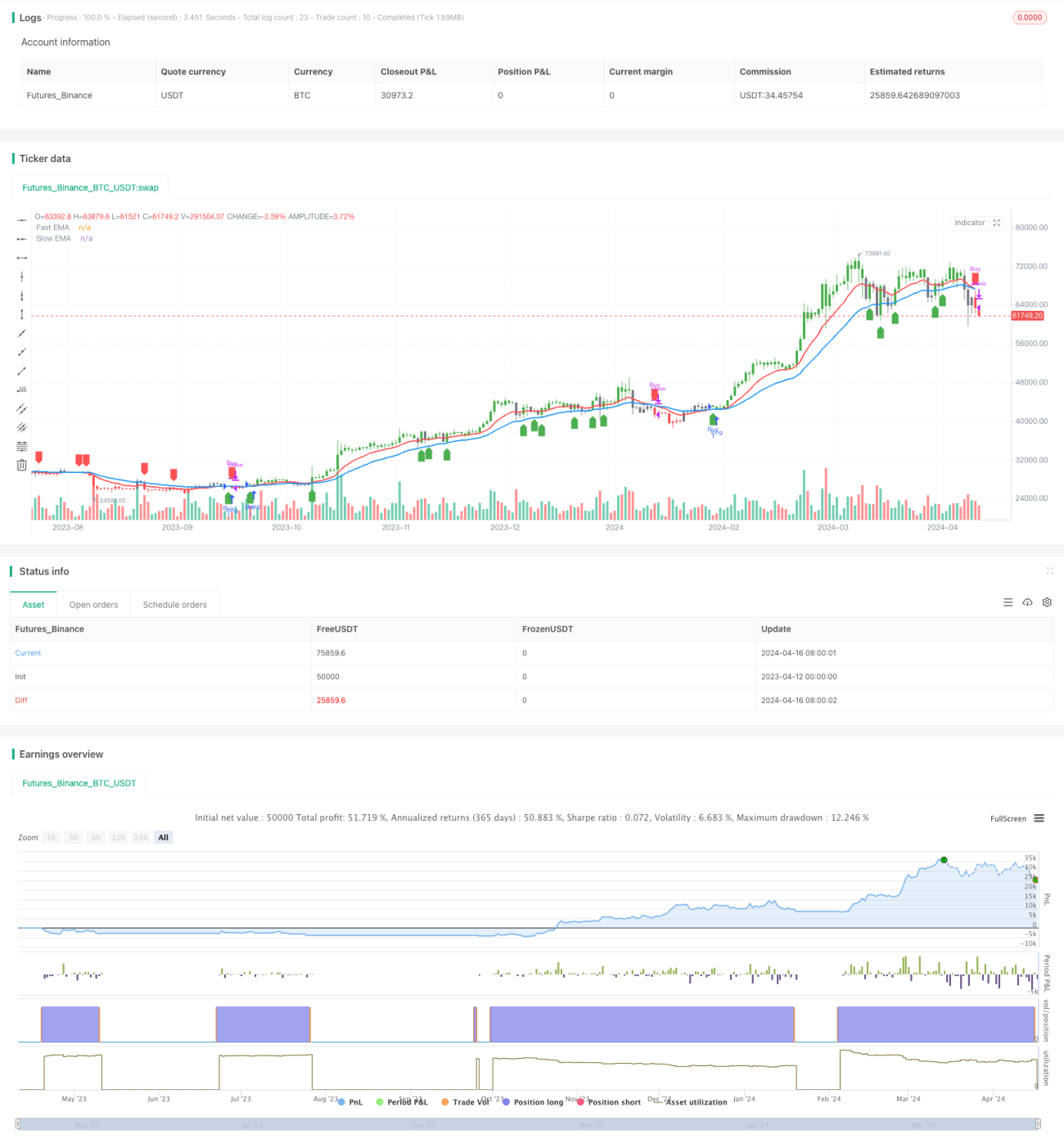
이 전략은 두 개의 다른 주기의 지수 이동 평균 ((EMA) 을 교차하여, 빠른 EMA가 아래로 올라서 천천히 EMA를 통과하면 구매 신호를 생성하고, 빠른 EMA가 위로 내려서 천천히 EMA를 통과하면 판매 신호를 생성한다. 이 전략은 다양한 금융 도구와 시간 주기에 적용될 수 있다. 예를 들어, 금은 2 시간 주기에서 가장 효과적이며, 비트코인은 일선 차트에서 가장 효과적이다.

전략 원칙

  1. 계산 빠른 EMA (기본주기는 12) 와 느린 EMA (기본주기는 26) 을 계산한다.
  2. 다중 헤드 영역을 정의합니다. (고속 EMA는 느린 EMA 위에 있고 가격이 빠른 EMA 위에 있습니다.) 그리고 빈 헤드 영역 (고속 EMA는 느린 EMA 아래에 있고 가격이 빠른 EMA 아래에 있습니다.)
  3. 공수 영역에서 다목적 영역으로 변환할 때 구매하고, 다목적 영역에서 공수 영역으로 변환할 때 판매한다.
  4. 그래프 상에서 녹색과 빨간색으로 다단계 영역과 빈단계 영역을 표시하고, 화살표로 구매 신호를 표시한다.

전략적 이점

  1. 간단한, 이해하기 쉬운, 초보자를 위한 .
  2. 다양한 금융 기구와 시간 주기에서 사용할 수 있습니다.
  3. 트렌드 추적 능력은 중·장기 트렌드를 포착할 수 있다.
  4. 매개 변수는 조정할 수 있으며,

전략적 위험

  1. 하지만, 이 시장은 위기시장에서 잘못된 신호가 발생하여 손실을 초래할 수 있습니다.
  2. 트렌드 전환 시에는 반응이 느려지므로 슬라이드 포인트가 발생할 수 있습니다.
  3. 잘못된 변수 선택은 정책의 효과에 영향을 미칩니다.

전략 최적화 방향

  1. 트렌드 필터를 추가하여, 예를 들어 ADX가 어떤 값보다 큰 경우에만 거래하여, 흔들리는 시장의 손실을 줄인다.
  2. 출전 시기를 최적화하여, 예를 들어 ATR을 사용하여 손실을 중지하여 단독 손실을 줄입니다.
  3. 매개 변수를 최적화하여 최적의 매개 변수 조합을 찾아서 안정성과 수익성을 향상시킵니다.
  4. MACD, RSI 등과 같은 다른 지표 보조 판단과 결합하여 신호 정확도를 향상시킵니다.

요약하다

MACD 교차 전략은 트렌드 추적을 기반으로 한 간단한 전략으로, 장점은 간단하고 실용적이며 적용 범위가 넓으며, 단점은 트렌드 전환을 파악하기가 어렵고, 매개 변수 선택이 어렵습니다. 트렌드 필터링, 입출점 최적화, 매개 변수 선택 및 기타 지표의 조합으로 전략의 성능을 향상시킬 수 있으며, 추가 연구 및 테스트가 가치가 있습니다.

전략 소스 코드
/*backtest
start: 2023-04-12 00:00:00
end: 2024-04-17 00:00:00
period: 1d
basePeriod: 1h
exchanges: [{"eid":"Futures_Binance","currency":"BTC_USDT"}]
*/

//@version=5
strategy('Advance EMA Crossover Strategy', overlay=true, precision=6)
//****************************************************************************//
// CDC Action Zone is based on a simple EMA crossover 
// between [default] EMA12 and EMA26
// The zones are defined by the relative position of 
// price in relation to the two EMA lines
// Different zones can be use to activate / deactivate 
// other trading strategies
// The strategy can also be used on its own with 
// acceptable results, buy on the first green candle
// and sell on the first red candle
//****************************************************************************//
// Define User Input Variables

xsrc = input(title='Source Data', defval=close)
xprd1 = input(title='Fast EMA period', defval=12)
xprd2 = input(title='Slow EMA period', defval=26)
xsmooth = input(title='Smoothing period (1 = no smoothing)', defval=1)
fillSW = input(title='Paint Bar Colors', defval=true)
fastSW = input(title='Show fast moving average line', defval=true)
slowSW = input(title='Show slow moving average line', defval=true)
plotSigsw = input(title='Plot Buy/Sell Signals?', defval=true)

//****************************************************************************//
//Calculate Indicators

xPrice = ta.ema(xsrc, xsmooth)

FastMA = ta.ema(xPrice, xprd1)
SlowMA = ta.ema(xPrice, xprd2)

//****************************************************************************//
// Define Color Zones and Conditions

BullZone = FastMA > SlowMA and xPrice > FastMA  // Bullish Zone
BearZone = FastMA < SlowMA and xPrice < FastMA  // Bearish Zone

//****************************************************************************//
// Strategy Entry and Exit Conditions

if (BullZone and not BullZone[1])
    strategy.entry("Buy", strategy.long)  // Buy on the transition into BullZone

if (BearZone and not BearZone[1])
    strategy.close("Buy")  // Sell on the transition into BearZone

//****************************************************************************//
// Display color on chart

plotcolor = BullZone ? color.green : BearZone ? color.red : color.gray
barcolor(color=fillSW ? plotcolor : na)

//****************************************************************************//
// Plot Fast and Slow Moving Averages

plot(fastSW ? FastMA : na, color=color.red, title="Fast EMA", linewidth=2)
plot(slowSW ? SlowMA : na, color=color.blue, title="Slow EMA", linewidth=2)

//****************************************************************************//
// Plot Buy and Sell Signals

plotshape(series=plotSigsw and BullZone and not BullZone[1], location=location.belowbar, color=color.green, style=shape.labelup, title="Buy Signal")
plotshape(series=plotSigsw and BearZone and not BearZone[1], location=location.abovebar, color=color.red, style=shape.labeldown, title="Sell Signal")

//****************************************************************************//