
Überblick
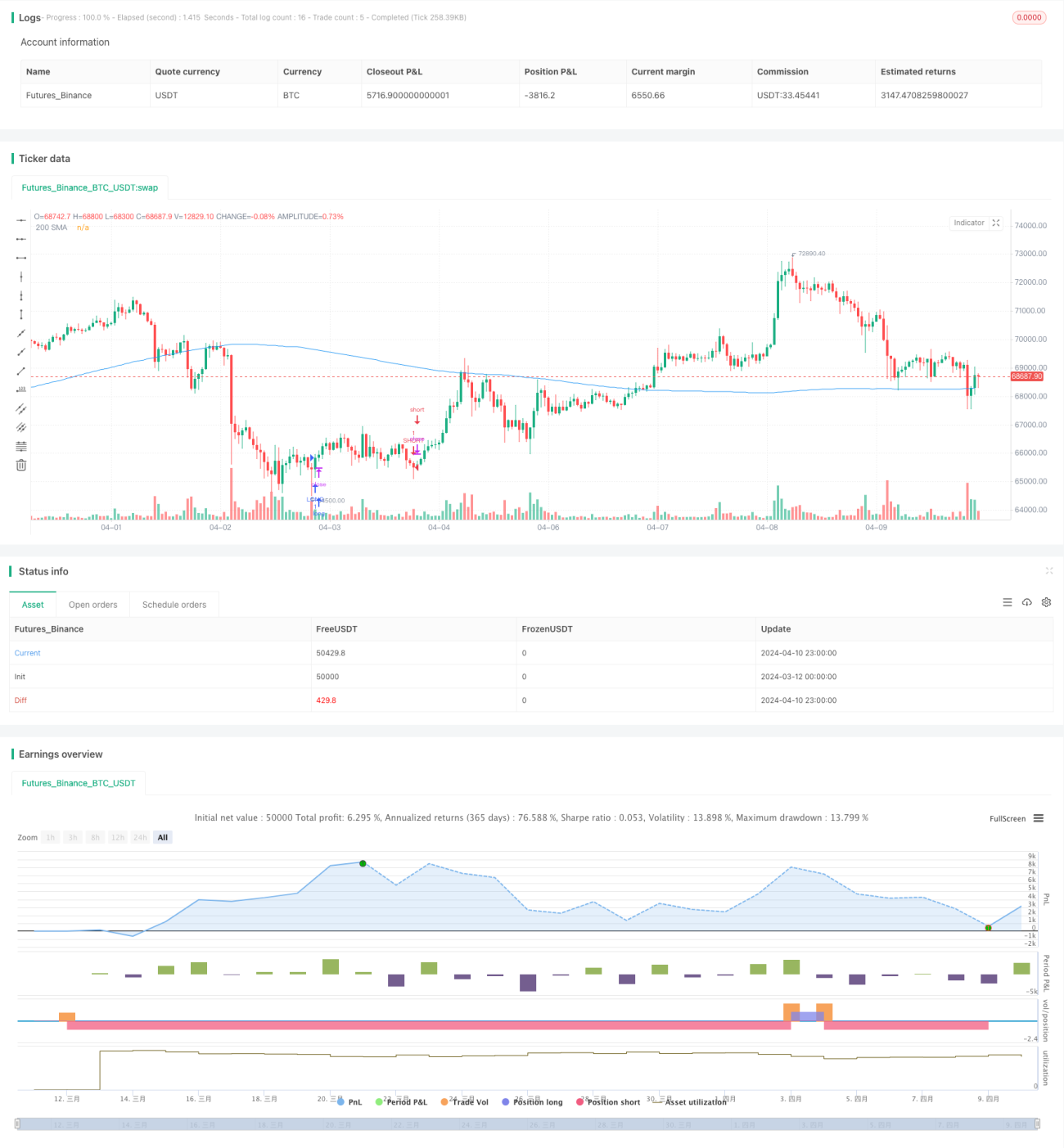
Diese Strategie ist eine Handelsstrategie, die auf dem Stochastic Slow Oscillator basiert und mit dem gleitenden Mittelwert (Moving Average), dem Relative-Stärke-Index (RSI) und künstlicher Intelligenz (KI) kombiniert wird. Die Strategie bestimmt Kauf- und Verkaufssignale durch die Bewertung der Kreuzungssignale des Stochastic Slow Oscillators unter Berücksichtigung der Position des Preises relativ zum 200-Tage-gleitenden Mittelwert sowie der von einem KI-Modell generierten Signale. Die Strategie legt auch Take-Profit- und Stop-Loss-Niveaus fest, um das Risiko zu kontrollieren.
Strategieprinzip
- Berechnung des Stochastic Slow Oscillators mit einem Zeitraum von 30, wobei der Glättungszeitraum für den K-Wert 18 und für den D-Wert 7 beträgt.
- Festlegung der Überkauft- und Überverkauft-Schwellenwerte auf 40 bzw. 19, sowie eines minimalen K-Werts von 12.
- Berechnung des 200-Tage-einfachen gleitenden Mittelwerts als Trendfilter.
- Verwendung eines rekurrenten neuronalen Netzwerks (RNN)-Modells zur Generierung von Kauf- und Verkaufssignalen.
- Long-Einstiegsbedingungen: Der Preis kreuzt über den 200-Tage-gleitenden Mittelwert, der K-Wert ist kleiner als der überverkaufte Schwellenwert und größer als der minimale K-Wert, das KI-Signal beträgt 1.
- Short-Einstiegsbedingungen: Der Preis kreuzt unter den 200-Tage-gleitenden Mittelwert, der K-Wert ist größer als der überkaufte Schwellenwert und größer als der minimale K-Wert, das KI-Signal beträgt -1.
- Wenn der Stochastic Oscillator eine Kreuzung aufweist und die überkauften/überverkauften Bedingungen erfüllt sind, werden ebenfalls Kauf- und Verkaufssignale generiert.
- Festlegung des Take-Profit-Niveaus auf 500 Punkte über/unter dem aktuellen Preis und des Stop-Loss-Niveaus auf 200 Punkte über/unter dem aktuellen Preis.
Strategievorteile
- Kombination mehrerer technischer Indikatoren und KI-Technologie erhöht die Robustheit und Anpassungsfähigkeit der Strategie.
- Verwendung des Stochastic Slow Oscillators als primäres Kauf- und Verkaufssignal erfasst effektiv überkaufte und überverkaufte Marktzustände.
- Einführung des 200-Tage-gleitenden Mittelwerts als Trendfilter vermeidet Handel gegen den Trend.
- Einsatz eines KI-Modells zur Generierung von Kauf- und Verkaufssignalen erhöht den Intelligenzgrad der Strategie.
- Festlegung klarer Take-Profit- und Stop-Loss-Niveaus kontrolliert das Risiko effektiv.
Strategierisiken
- Der Stochastic Oscillator kann unter bestimmten Marktbedingungen viele Fehlsignale erzeugen.
- Die Wirksamkeit des KI-Modells hängt von der Qualität der Trainingsdaten und dem Modelldesign ab, was eine gewisse Unsicherheit mit sich bringt.
- Feste Take-Profit- und Stop-Loss-Niveaus können sich möglicherweise nicht an unterschiedliche Marktschwankungen anpassen.
- Der Strategie fehlt ein Mechanismus zur Reaktion auf plötzliche Marktereignisse und ungewöhnliche Schwankungen.
Strategieoptimierungsrichtungen
- Optimierung der Parameter des Stochastic Oscillators, z.B. Anpassung der Glättungszeiträume von K und D, um die Effektivität des Indikators zu verbessern.
- Verbesserung des Designs des KI-Modells durch Einbeziehung weiterer Marktmerkmale und Daten, um die Vorhersagegenauigkeit zu erhöhen.
- Einführung eines dynamischen Take-Profit- und Stop-Loss-Mechanismus, der sich basierend auf der Marktvolatilität und dem Risikoniveau anpasst.
- Integration von Marktstimmungsanalyse und ereignisgesteuerten Faktoren, um die Reaktionsfähigkeit der Strategie auf plötzliche Marktereignisse zu verbessern.
- Hinzufügen von Positions- und Kapitalmanagementmodulen, um die Kapitalnutzungseffizienz und Risikokontrolle der Strategie zu optimieren.
Zusammenfassung
Diese Strategie konstruiert eine multifaktorielle Handelsstrategie durch die Kombination des Stochastic Slow Oscillators, des gleitenden Mittelwerts, des Relative-Stärke-Index und der KI-Technologie. Die Strategie nutzt den Stochastic Oscillator, um überkaufte und überverkaufte Signale zu erfassen, während sie gleichzeitig einen Trendfilter und eine intelligente Signalgenerierung einsetzt, was die Robustheit und Anpassungsfähigkeit der Strategie verbessert. Obwohl die Strategie gewisse Risiken birgt, wie z.B. Indikatorausfälle und Modellunsicherheit, kann die Leistung und Risikokontrolle durch Optimierung der Indikatorparameter, Verbesserung des KI-Modells und Einführung dynamischer Risikomanagementmaßnahmen weiter verbessert werden.
- 1