خودکار انطباقی حرکت پذیری اوسط کی مقداری حکمت عملی

خلاصہ
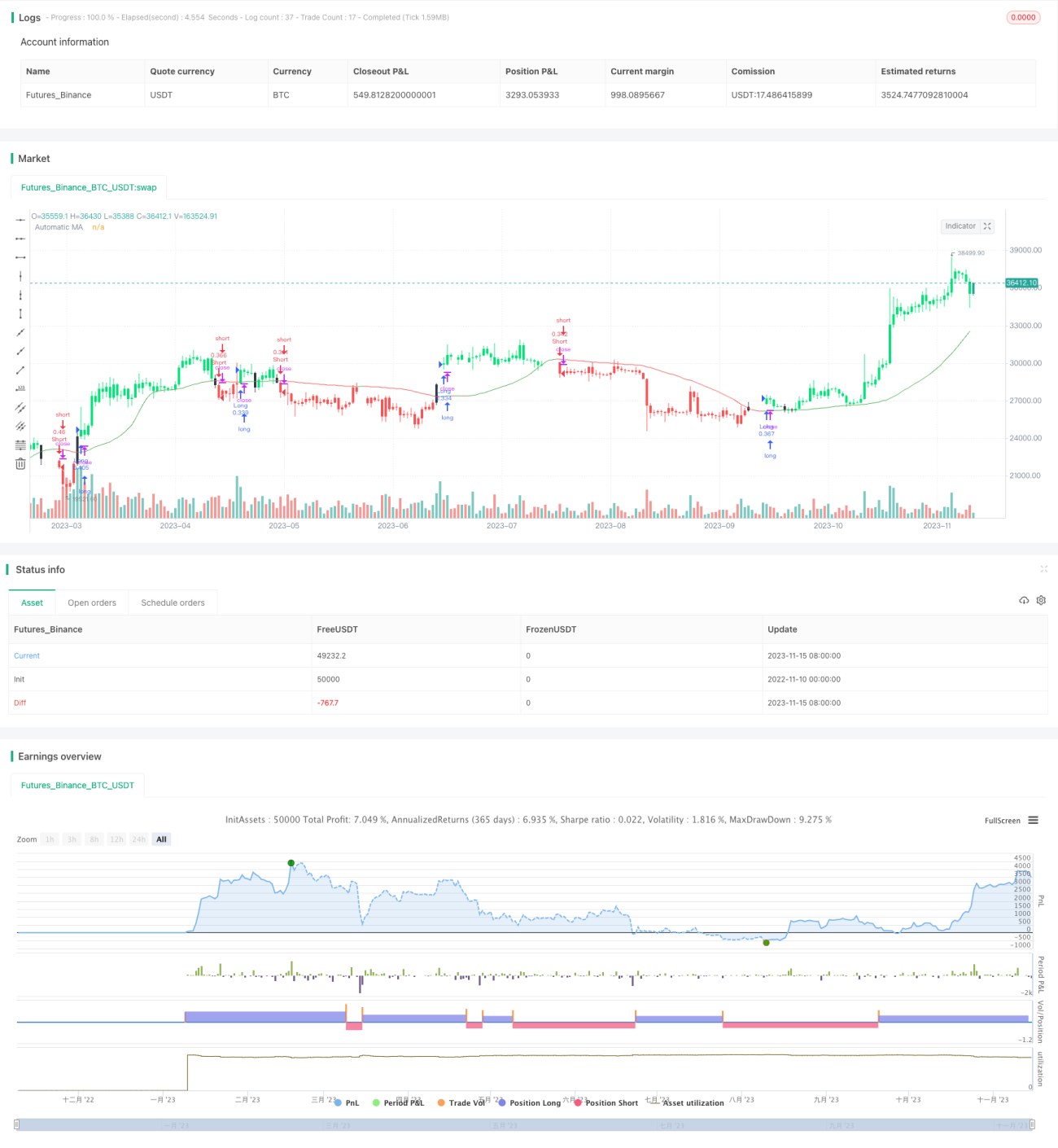
یہ حکمت عملی موونگ اوسط پر مبنی ہے، پیرامیٹرز خود بخود ایڈجسٹ کر سکتی ہے، اور اونچے ٹائم فریموں کی اتار چڑھاؤ والی مارکیٹوں کے لیے موزوں ہے۔ یہ خود بخود بہترین پیرامیٹر مجموعہ تلاش کر لیتی ہے اور جب قیمت موونگ اوسط کو توڑتی ہے تو ٹریڈنگ سگنل پیدا کرتی ہے۔
حکمت عملی کا اصول
یہ حکمت عملی ایک خود انطباقی موونگ اوسط کو ٹریڈنگ سگنل کے طور پر استعمال کرتی ہے۔ پہلے متعین کردہ مدت (start) کی سادہ موونگ اوسط (CMA) کا حساب لگایا جاتا ہے۔ پھر CMA کے ارد گرد پیرامیٹر مجموعوں کا تجربہ کیا جاتا ہے، اور دیکھا جاتا ہے کہ کس مجموعے کی CMA لائن کو کندل کے جسم اور شیڈو نے سب سے کم چھوا ہے۔ آخر میں سب سے کم چھونے والی CMA کو سگنل لائن کے طور پر استعمال کیا جاتا ہے۔
خاص طور پر، حکمت عملی CMA کی مدت میں 1 کا اضافہ (CMA_P1) اور 1 کی کمی (CMA_M1) کے بعد CMA لائنوں کا تجربہ کرتی ہے، اور جسم اور شیڈو کے ذریعے ان کو چھونے کی تعداد گنتی ہے۔ اگر CMA کی چھونے کی تعداد CMA_P1 اور CMA_M1 سے کم ہے تو موجودہ CMA مدت برقرار رہتی ہے؛ اگر CMA_P1 کی چھونے کی تعداد کم ہے تو CMA مدت میں 1 کا اضافہ ہوتا ہے؛ اگر CMA_M1 کی چھونے کی تعداد کم ہے تو CMA مدت میں 1 کی کمی ہوتی ہے۔ اس طرح نسبتاً ہموار CMA کو سگنل لائن کے طور پر حاصل کیا جا سکتا ہے۔
جب قیمت نیچے سے اوپر CMA کو توڑتی ہے تو خرید سگنل پیدا ہوتا ہے؛ جب قیمت اوپر سے نیچے CMA کو توڑتی ہے تو فروخت سگنل پیدا ہوتا ہے۔
فوائد کا تجزیہ
اس خود انطباقی موونگ اوسط حکمت عملی کے درج ذیل فوائد ہیں:
-
خود بخود بہترین پیرامیٹرز تلاش کرنا۔ موونگ اوسط کی مدت دستی طور پر منتخب کرنے کی ضرورت نہیں، حکمت عملی خود مختلف مدتوں کا تجربہ کر کے بہترین پیرامیٹرز تلاش کر لیتی ہے۔
-
جھوٹے سگنلز میں کمی۔ مقررہ مدت کی موونگ اوسط کے مقابلے میں، خود انطباقی موونگ اوسط زیادہ شور کو فلٹر کر سکتی ہے، اس طرح بہت سے جھوٹے سگنلز کم ہو جاتے ہیں۔
-
مارکیٹ کی تبدیلیوں کے مطابق ڈھلنا۔ جب مارکیٹ سائیڈ ویز سے ٹرینڈ میں بدلتی ہے تو موونگ اوسط کی مدت خود بخود بڑھ جاتی ہے تاکہ سگنل پیدا ہو سکیں؛ جب مارکیٹ ٹرینڈ سے سائیڈ ویز میں بدلتی ہے تو موونگ اوسط کی مدت خود بخود کم ہو جاتی ہے۔ اس طرح حکمت عملی مارکیٹ کی تبدیلیوں کے ساتھ متحرک طور پر ڈھل سکتی ہے۔
-
ٹریڈنگ سسٹم کو آسان بنانا۔ یہ خود انطباقی طریقہ پورے ٹریڈنگ سسٹم کو آسان بنا دیتا ہے، دستی پیرامیٹر آپٹیمائزیشن کی ضرورت نہیں رہتی۔
-
وسیع توسیع پذیری۔ اس حکمت عملی کے تصور کو دوسرے انڈیکیٹرز پر بھی لاگو کیا جا سکتا ہے، جیسے خود انطباقی بولنگر بینڈ، خود انطباقی KD وغیرہ۔
خطرات کا تجزیہ
اس حکمت عملی میں کچھ خطرات بھی ہیں جن پر توجہ دینے کی ضرورت ہے:
-
کال آپشن کا خطرہ۔ جب مارکیٹ میں کال آپشن کا رجحان ہوتا ہے تو کندل کا جسم موونگ اوسط کو نہیں توڑ پاتا، جس سے غلط سگنلز پیدا ہوتے ہیں۔ اس خطرے کو کم کرنے کے لیے فلٹر کی شرائط شامل کرنی ہوں گی۔
-
ناکام بریک آؤٹ کا خطرہ۔ موونگ اوسط کا بریک آؤٹ ہمیشہ جاری نہیں رہتا، کچھ بریک آؤٹ ناکام ہو سکتے ہیں۔ اس لیے بریک آؤٹ کی تصدیق کی ضرورت ہے تاکہ کامیابی کی شرح یقینی بنائی جا سکے۔
-
رجحان تبدیل ہونے کا خطرہ۔ ٹرینڈنگ مارکیٹ میں داخل ہونے کے بعد رجحان کی تبدیلی پر بروقت سمت تبدیل نہ کی گئی تو نقصان ہو سکتا ہے۔ اس کے لیے سٹاپ لاس کی شرائط رکھی جا سکتی ہیں۔
-
پیرامیٹر آپٹیمائزیشن کا خطرہ۔ خود انطباقی طور پر ایڈجسٹ ہونے والے پیرامیٹرز مقامی آپٹیمم میں پھنس سکتے ہیں، جس سے موونگ اوسط بے کار ہو سکتی ہے۔ اس سے بچنے کے لیے ماڈل کی تشخیص کا طریقہ کار متعارف کرانا ضروری ہے۔
-
ضرورت سے زیادہ آپٹیمائزیشن کا خطرہ۔ خود انطباقی پیرامیٹرز زیادہ آپٹیمائز ہو سکتے ہیں، جس سے ماڈل کی عمومی صلاحیت ختم ہو جاتی ہے۔ مختلف مارکیٹ ماحول میں طویل مدتی تصدیق کی ضرورت ہے، بیک ٹیسٹ کے نتائج پر مکمل انحصار نہیں کرنا چاہیے۔
بہتری کے امکانات
اس خود انطباقی موونگ اوسط حکمت عملی میں بہتری کے درج ذیل امکانات ہیں:
-
رجحان کے بریک آؤٹ کی تصدیق کا طریقہ کار شامل کرنا، مسلسل بریک آؤٹ کے ذریعے جھوٹے بریک آؤٹ کو فلٹر کرنا۔
-
سٹاپ لاس کی حکمت عملی شامل کرنا، جب قیمت دوبارہ موونگ اوسط کی دوسری طرف چلی جائے تو سٹاپ لاس لگانا۔
-
آپشن فلٹر کا طریقہ کار شامل کرنا، کال آپشن کے رجحان میں غلط سگنلز سے بچنا۔
-
پیرامیٹرز کی ایڈجسٹمنٹ پر پابندی کے لیے تشخیصی انڈیکیٹرز متعارف کرانا، جیسے IC، LIC، SIC وغیرہ، تاکہ پیرامیٹرز زیادہ آپٹیمائز نہ ہوں۔
-
دوسرے انڈیکیٹرز تک توسیع، جیسے خود انطباقی گولڈن کراس/ڈیتھ کراس حکمت عملی، خود انطباقی بولنگر بینڈ حکمت عملی وغیرہ۔
-
موونگ اوسط کے حساب کتاب کے طریقے کو بہتر بنانا، وزنی موونگ اوسط، ایکسپونینشل موونگ اوسط وغیرہ استعمال کر کے ہموار موونگ اوسط حاصل کرنا۔
خلاصہ
یہ حکمت عملی موونگ اوسط کی مدت کو خود انطباقی طور پر ایڈجسٹ کر کے بہترین پیرامیٹرز تلاش کرتی ہے، اس طرح ٹریڈنگ سگنلز پیدا کرتی ہے۔ مقررہ پیرامیٹرز کے مقابلے میں، یہ بہت سے جھوٹے سگنلز کو کم کر سکتی ہے اور مارکیٹ کی تبدیلیوں کے مطابق ڈھل سکتی ہے۔ تاہم، ہمیں کچھ ممکنہ خطرات پر بھی توجہ دینی چاہیے، اور حکمت عملی کی تصدیق اور واک فارورڈ آپٹیمائزیشن کی ضرورت ہے تاکہ حقیقی ٹریڈنگ میں مستحکم منافع حاصل ہو سکے۔
-
رجحان تبدیل ہونے کا خطرہ۔ رجحان میں داخل ہونے کے بعد رجحان کی تبدیلی پر بروقت سوئچ کرنا ضروری ہے، ورنہ نقصان ہو سکتا ہے۔ نقصان پر قابو پانے کے لیے اسٹاپ لاس لگانا چاہیے۔
-
پیرامیٹر آپٹیمائزیشن کا خطرہ۔ انکولی ایڈجسٹ شدہ پیرامیٹرز مقامی آپٹیمائزیشن میں پھنس سکتے ہیں، جس کے نتیجے میں بے کار ایم اے (سادہ اوسط) پیدا ہو سکتی ہیں۔ اس مسئلے سے بچنے کے لیے ماڈل کی تشخیص کے طریقے متعارف کرانے کی ضرورت ہے۔
-
اوور فٹنگ کا خطرہ۔ پیرامیٹرز کی ضرورت سے زیادہ ٹیوننگ اوور فٹنگ کا سبب بن سکتی ہے اور ماڈل کی عمومی صلاحیت ختم کر سکتی ہے۔ مختلف مارکیٹ ماحول میں طویل مدتی تصدیق کی ضرورت ہے، صرف بیک ٹیسٹ کے نتائج پر انحصار نہیں کرنا چاہیے۔
بہتری کی سمتیں
اس انکولی ایم اے حکمت عملی کو بہتر بنانے کے لیے کچھ سمتیں:
-
جعلی بریک آؤٹ کو فلٹر کرنے کے لیے مسلسل بریک آؤٹ کے ذریعے رجحان بریک آؤٹ کی توثیق شامل کریں۔
-
اسٹاپ لاس حکمت عملی میں اضافہ کریں، جب قیمت ایم اے کے دوسری طرف واپس آئے تو اسٹاپ لاس لگائیں۔
-
کال آپشن ظاہر ہونے پر غلط سگنلز سے بچنے کے لیے آپشن فلٹر شامل کریں۔
-
آئی سی (انفارمیشن کوفیشینٹ)، ایل آئی سی (لیئرڈ انفارمیشن کوفیشینٹ)، ایس آئی سی (سیکوئنشل انفارمیشن کوفیشینٹ) جیسے تشخیصی میٹرکس متعارف کروائیں تاکہ پیرامیٹر ٹیوننگ کو محدود کیا جا سکے اور اوور فٹنگ سے بچا جا سکے۔
-
دیگر انڈیکیٹرز تک توسیع کریں جیسے انکولی گولڈن کراس حکمت عملی، انکولی بولینجر بینڈز وغیرہ۔
-
ایم اے (سادہ اوسط) کے حساب کتاب کو بہتر بنانے کے لیے وزنی ایم اے، ایکسپویننشل ایم اے وغیرہ استعمال کریں تاکہ ہموار ایم اے حاصل ہو سکے۔
خلاصہ
یہ حکمت عملی بہترین پیرامیٹرز تلاش کرنے کے لیے انکولی طریقے سے ایم اے کی مدت کو ایڈجسٹ کرکے تجارتی سگنلز پیدا کرتی ہے۔ مقررہ پیرامیٹرز کے مقابلے میں، یہ بہت سے جعلی سگنلز کو کم کر سکتی ہے اور مارکیٹ کی تبدیلیوں کے مطابق ڈھل سکتی ہے۔ لیکن ہمیں ممکنہ خطرات پر بھی نظر رکھنی ہوگی، اور لائیو ٹریڈنگ میں اسے استعمال کرنے سے پہلے تصدیق اور واک فارورڈ آپٹیمائزیشن کرنی ہوگی تاکہ مستحکم منافع حاصل ہو سکے۔
- 1