Chiến lược theo dõi xu hướng định lượng

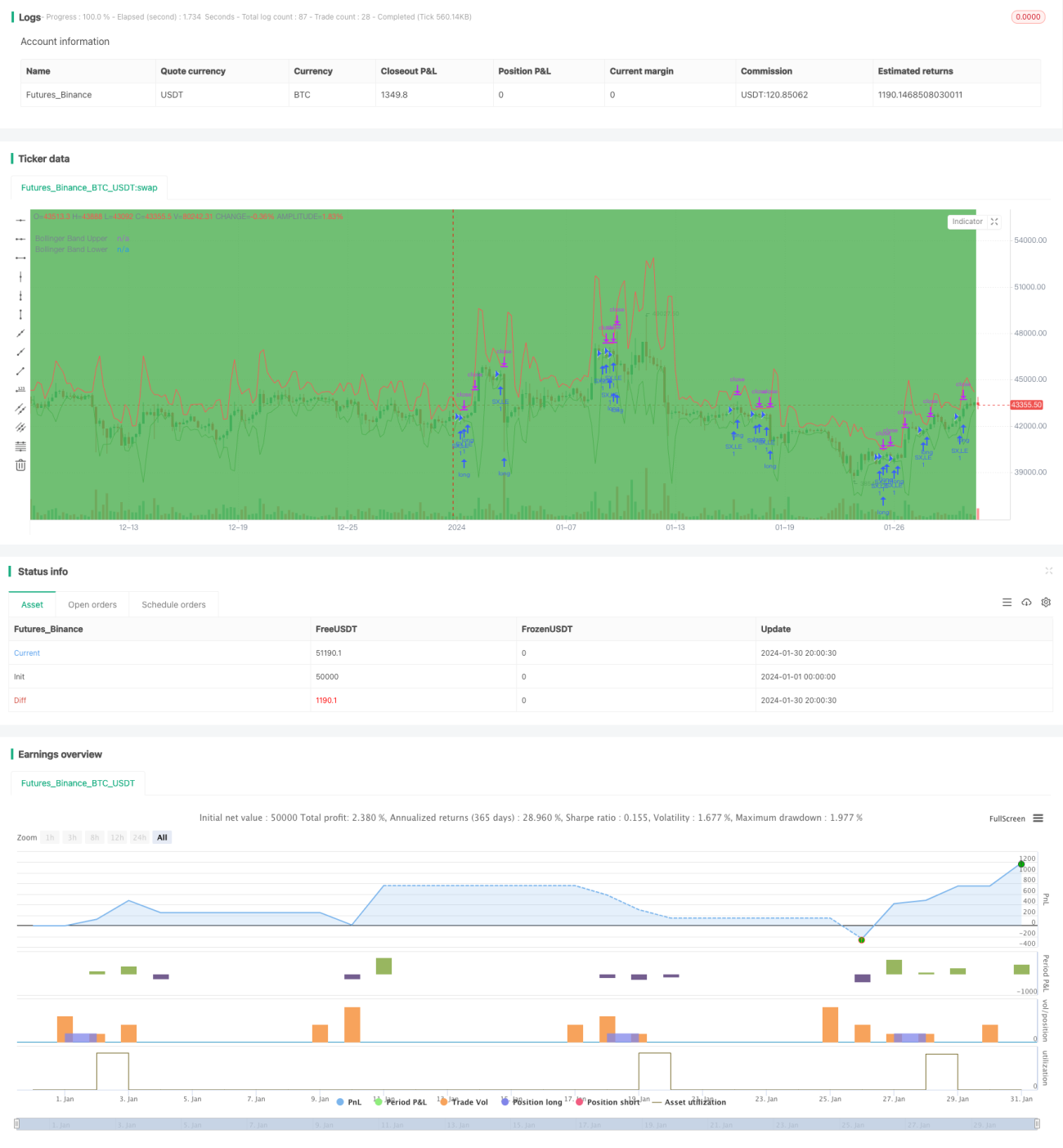
Tổng quan
Chiến lược này sử dụng nhiều chỉ báo như Bollinger Bands, RSI, ADX, MACD để đánh giá xu hướng thị trường, có khả năng nhận diện xu hướng mạnh mẽ. Khi các tín hiệu chỉ báo đồng thời bullish, chiến lược sẽ thực hiện mua đuổi theo xu hướng; khi các tín hiệu đồng thời bearish, sẽ đóng vị thế cắt lỗ.
Nguyên lý chiến lược
- Sử dụng Bollinger Bands để xác định giá có nằm gần dải trên hoặc dải dưới hay không, làm cơ sở đánh giá xu hướng đã hình thành
- Kết hợp chỉ báo RSI để xác định vùng quá mua/quá bán, tránh phá vỡ giả
- Sử dụng ADX để đánh giá sức mạnh xu hướng, chỉ phát tín hiệu khi xu hướng đủ mạnh
- Sử dụng MACD để đánh giá sự đồng nhất giữa xu hướng ngắn hạn và dài hạn
- Kết hợp khung giờ trong ngày, chỉ giao dịch trong khoảng thời gian giao dịch được chỉ định
Thông qua tổ hợp nhiều chỉ báo, chiến lược nhận diện chính xác xu hướng giá, theo dõi kịp thời khi xu hướng xảy ra, đạt được lợi nhuận vượt trội.
Phân tích ưu điểm
Ưu điểm lớn nhất của chiến lược là sự kết hợp chỉ báo toàn diện và chính xác, có thể nhận diện hiệu quả xu hướng giá, tránh các tín hiệu giả do chỉ báo đơn lẻ gây ra.
Cụ thể, ưu điểm bao gồm:
- Bollinger Bands giúp xác định phạm vi biến động giá và mức độ mạnh/yếu
- RSI tránh mua vào vùng quá mua, bán ra vùng quá bán
- ADX đánh giá sức mạnh xu hướng, chỉ đi theo xu hướng mạnh
- MACD đánh giá sự đồng nhất giữa ngắn hạn và dài hạn
- Giới hạn khung giờ giao dịch, tránh rủi ro qua đêm
Thông qua tổ hợp chỉ báo, có thể giảm thiểu tối đa tín hiệu giả, tăng cường độ ổn định của chiến lược.
Phân tích rủi ro
Rủi ro chính của chiến lược bao gồm:
- Sự kiện bất ngờ khiến chỉ báo mất hiệu lực
- Trong thị trường đi ngang, phát sinh nhiều tín hiệu giả
Đối với rủi ro 1, do phụ thuộc vào nhiều chỉ báo, có thể ở mức độ nào đó tránh được vấn đề chỉ báo đơn lẻ mất tác dụng, nhưng vẫn cần hoàn thiện cơ chế quản lý rủi ro.
Đối với rủi ro 2, có thể điều chỉnh thông số phù hợp, thu hẹp phạm vi giao dịch, giảm tần suất giao dịch, hạ thấp rủi ro.
Hướng tối ưu hóa
Các hướng tối ưu hóa chính của chiến lược bao gồm:
- Thêm cơ chế cắt lỗ, như cắt lỗ di động, cắt lỗ theo thời gian, cắt lỗ phá vỡ, v.v., tránh kéo lùi quá sâu
- Tối ưu hóa thông số, điều chỉnh tổ hợp thông số chỉ báo, tìm thông số tối ưu
- Thêm bộ lọc, như lọc khối lượng, tránh phá vỡ giả với khối lượng thấp
- Kết hợp thêm nhiều chỉ báo, như KDJ, OBV, v.v., nâng cao độ chính xác tín hiệu
- Sử dụng phương pháp học máy để tự động tối ưu hóa thông số
Thông qua tối ưu hóa liên tục, không ngừng nâng cao độ robust của thông số chiến lược, giảm xác suất tín hiệu giả.
Tổng kết
Nhìn chung, chiến lược này có khả năng nhận diện tín hiệu xu hướng mạnh mẽ, thông qua tổ hợp chỉ báo có thể nhận diện hiệu quả xu hướng giá, |max|max|
Tuy nhiên, cũng tồn tại rủi ro nhất định, cần không ngừng hoàn thiện cơ chế quản lý rủi ro, liên tục tối ưu hóa thông số, mới có thể vận hành ổn định lâu dài. Nếu sau này có thể đưa vào các phương pháp như học máy để tự động tối ưu hóa thông số, sẽ tăng cường đáng kể độ robust và khả năng sinh lợi của chiến lược.
- 1