Gleitender-Mittelwert-Umkehrstrategie

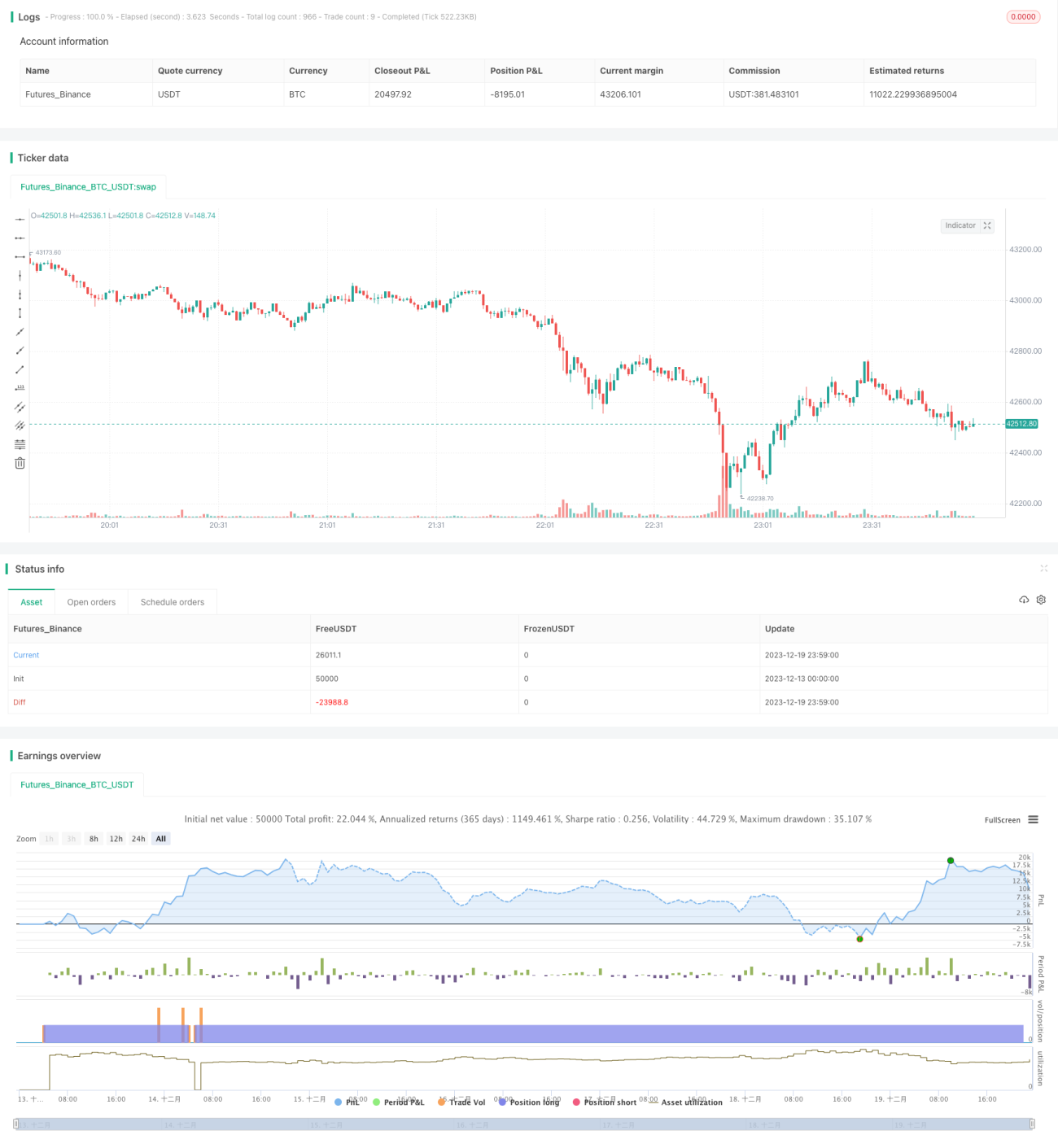
Diese Strategie wird als „Mean-Reversion-Umkehrstrategie basierend auf gleitenden Durchschnitten“ bezeichnet. Ihr Kerngedanke besteht darin, nach einem Unterschreiten der entscheidenden gleitenden Durchschnitte zu kaufen und nach Erreichen eines vorab festgelegten Gewinnziels einen Teilgewinn mitzunehmen.
Das Hauptprinzip der Strategie ist es, die Umkehr kurzfristiger gleitender Durchschnitte zu nutzen, um Erholungschancen in Seitwärtsmärkten zu identifizieren. Konkret: Wenn der Kurs einen längerfristigen gleitenden Durchschnitt (z. B. 20-Tage- oder 50-Tage-Linie) unterschreitet, zeigt er deutliche Überverkaufszeichen auf. Aufgrund der Mean-Reversion-Eigenschaft der Marktbewegungen kommt es häufig zu einer gewissen Erholung. Wenn dann ein kürzerer gleitender Durchschnitt (z. B. 10-Tage-Linie) ein Aufwärtssignal gibt, ergibt sich ein günstiger Kaufzeitpunkt. In dieser Strategie wird daher gekauft, wenn der Schlusskurs unter der 20-Tage-Linie, aber über der 50-Tage-Linie liegt, um die kurzfristige Umkehr zu nutzen und die Erholungsbewegung einzufangen.
Die konkrete Kauf-Logik lautet: Kauf von 1 Kontrakt nach Unterschreiten der 20-Tage-Linie, Erhöhung der Position um 1 Kontrakt nach Unterschreiten der 50-Tage-Linie, weitere Erhöhung um 1 Kontrakt nach Unterschreiten der 100-Tage-Linie, und maximal 1 weiterer Kontrakt nach Unterschreiten der 200-Tage-Linie, sodass insgesamt maximal 4 Long-Kontrakte gehalten werden. Nach Erreichen des vorab definierten Gewinnziels wird die Position glattgestellt. Zusätzlich sind zeitliche sowie Stop-Loss-Bedingungen festgelegt.
Vorteile
- Die Nutzung der Umkehreigenschaften gleitender Durchschnitte ermöglicht eine effektive Identifizierung kurzfristiger Erholungschancen.
- Der schrittweise Positionsaufbau reduziert das Risiko einzelner Einstiegspunkte.
- Die Festlegung eines Gewinnziels sichert erzielte Gewinne.
- Der Filter durch Eröffnungskurs und vorheriges Tief vermeidet falsche Ausbrüche.
Risikoanalyse
- Bei längerem Halten besteht die Gefahr einer Trendumkehr. Fällt der Kurs weiter, vergrößert sich der Verlust.
- Die Signale der gleitenden Durchschnitte können Fehlsignale sein und zu Verlusten führen.
- Das festgelegte Gewinnziel wird möglicherweise nicht erreicht, sodass ein teilweiser oder vollständiger Gewinnmitnahme ausbleibt.
Optimierungsmöglichkeiten
- Testen der Rendite und Stabilität bei verschiedenen Parametereinstellungen.
- Einbeziehung weiterer Indikatoren wie MACD, KD usw. zur Entscheidungsfindung beim Kauf.
- Anpassung der Zeiträume der gleitenden Durchschnitte an die Handelsstile verschiedener Instrumente.
- Einführung von maschinellem Lernen zur dynamischen Optimierung der Parameter.
Zusammenfassung
Die Strategie ist insgesamt ein klassischer und universeller Handelsansatz mit gleitenden Durchschnitten. Sie nutzt korrekt die glättende Eigenschaft gleitender Durchschnitte und kombiniert mehrere Durchschnitte, um kurzfristige Kaufsignale zu identifizieren. Durch schrittweisen Positionsaufbau und rechtzeitige Gewinnmitnahme wird das Risiko kontrolliert. Allerdings ist die Reaktion auf unerwartete Marktereignisse (z. B. wichtige politische Nachrichten) eher passiv – dies ist ein Bereich, der weiter verbessert werden kann. Insgesamt kann die Strategie nach geeigneter Parametrierung und verbessertem Risikomanagement stabile Überrenditen erzielen.
- 1