이동평균선과 RSI를 기반으로 한 일방적 롱 전략


생성 날짜: 2023-12-18 10:28:10 마지막으로 수정됨: 2023-12-18 10:28:10
복사: 1 클릭수: 660
avatar of ChaoZhang ChaoZhang
1
집중하다
1621
수행원

이동평균선과 RSI를 기반으로 한 일방적 롱 전략

개요

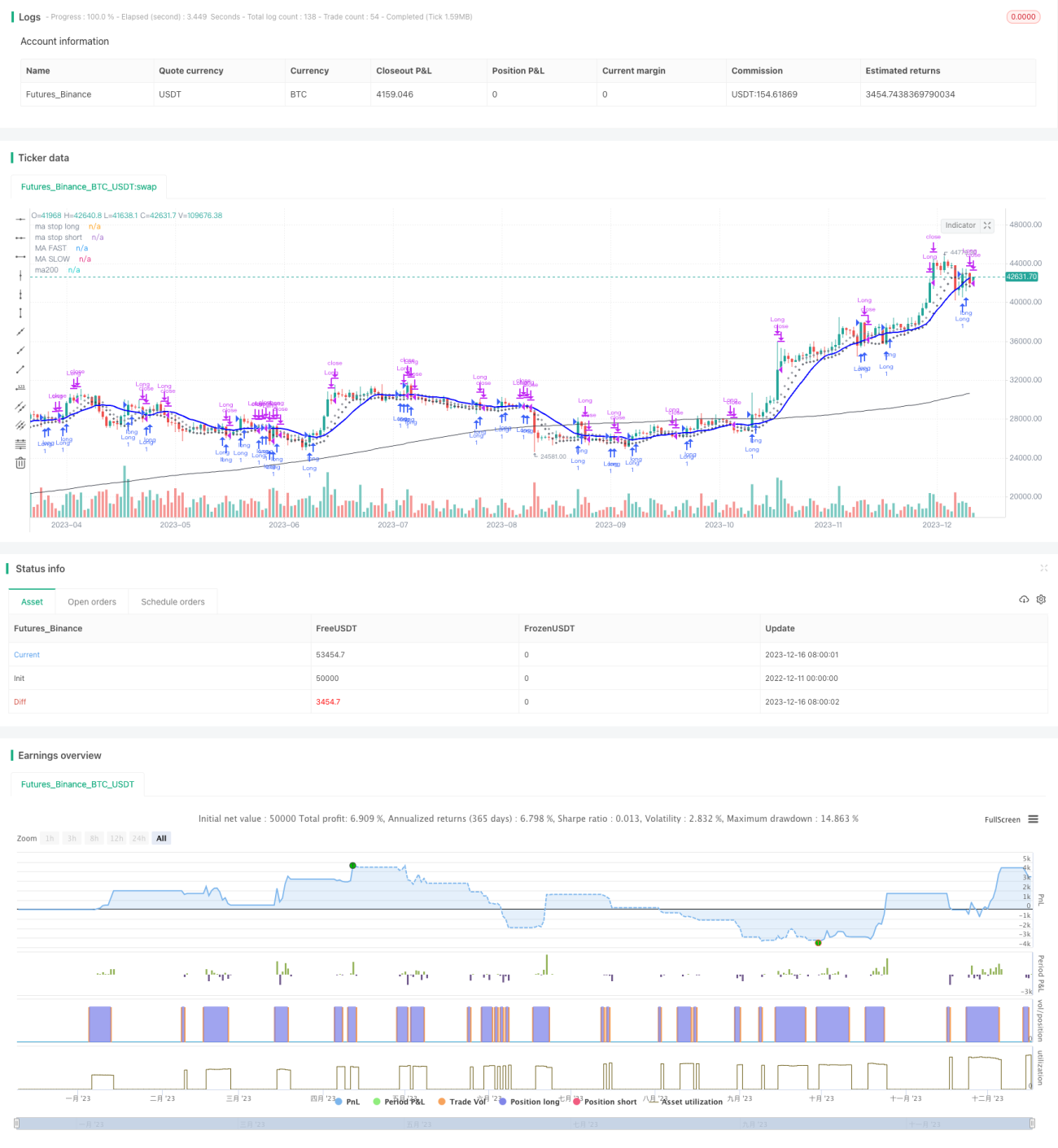
이 전략은 엔리코 말베르티 (Enrico Malverti) 의 기사를 바탕으로 만들어졌으며, 주로 단순 이동 평균 (SMA) 과 상대적으로 강한 지표 (RSI) 를 사용하여 다중 입점 및 포지션 신호를 식별한다. 전략은 더 많이 하고, 아무것도 하지 않는다.

전략 원칙

입점 신호는 종결 가격에 긴 주기적인 SMA 평균선에서 더 많은 포지션을 열 때이다.

평형 신호는 다음과 같다:

  1. RSI가 70이거나 75을 넘으면 평준화됩니다.
  2. 마감 가격 아래의 짧은 기간의 SMA 평균선에서 파손될 때 멈춰라.
  3. 마감 가격 아래에서 짧은 주기를 통과하는 SMA 평균선에서 정지한다.

동시에 스톱 손실 SMA 평균선과 스톱 중지 SMA 평균선도 그려집니다.

우위 분석

이 전략은 다음과 같은 장점을 가지고 있습니다.

  1. 이 지표들은 간단하고 이해하기 쉬운 조합으로 구성되어 있으며, 이해하기 쉽고 실행이 가능합니다.
  2. 더 많은 일을 하고, 더 많은 공백을 피할 수 있습니다.
  3. 명확한 출입규칙, 스톱로스, 스톱스톱규칙이 있고, 위험도 조절할 수 있습니다.
  4. 비교적 쉽게 최적화할 수 있으며, SMA 주기 등의 매개 변수를 조정할 수 있다.

위험 분석

이 전략에는 몇 가지 위험도 있습니다.

  1. “이번의 사고는, ‘이번의 사고’라는 뜻입니다. ‘이번의 사고’는, ‘이번의 사고’라는 뜻입니다.
  2. SMA 평균선에서 잘못된 위치가 발생할 위험이 있습니다.
  3. RSI 지표는 분산하기 쉽고, 오버 바이 오버 소드 신호는 신뢰할 수 없습니다.

대응 방법:

  1. “정신적으로 영향을 받지 않는, 고정된 추적 메커니즘을 구축하는 것”
  2. SMA 평균 선의 변수 조정, 최적화 주기;
  3. 다른 지표와 결합하여 RSI 신호를 필터링한다.

최적화 방향

이 전략은 다음과 같은 방향으로 최적화될 수 있습니다.

  1. 다른 매개 변수의 SMA 설정을 시도합니다.
  2. 다른 지표들을 추가하여 입출력 신호를 필터링합니다.
  3. 트렌드를 판단하는 지표, 추세를 구분하는 지표, 추세를 정리하는 지표
  4. 변수들이 스스로 적응하도록 최적화하기 위해 시도한다.

요약하다

이 전략의 전체적인 아이디어는 명확하고 이해하기 쉽고, 기본 지표를 사용하며, 제어성이 강하며, 중·장기선 운영에 적합하다. 그러나 매개 변수 설정과 지표 필터링은 반복적으로 테스트 및 최적화가 필요합니다. 전략이 더 안정적이고 신뢰할 수 있도록 하기 위해서이다. 아이디어 간단한 전략은 또한 실제로 사용할 수 있는 거래 시스템을 형성하기 위해 많은 최적화 조정과 풍부한 조합이 필요합니다.

전략 소스 코드
/*backtest
start: 2022-12-11 00:00:00
end: 2023-12-17 00:00:00
period: 1d
basePeriod: 1h
exchanges: [{"eid":"Futures_Binance","currency":"BTC_USDT"}]
*/

//@version= 4
// form the original idea of Enrico Malverti www.enricomalverti.com , trading system 2015  
// https://sauciusfinance.altervista.org
strategy(title="MAs & RSI strategy long only", overlay = true, max_bars_back=500)

///********FROM EMAS TO SIMPLE MA *****
// NON AGGIUNTO SCHAFF INDICATOR, che serve per discriminare quali titoli scegliere dallo screener (segnale già aperto o il primo o, a parità,
//quello più alto) ==> Tolte le bande di Bollinger (che filtrano "poco")

// INPUTS 
emapf = input(14, title ="Ma periodo veloce",  minval=1, step = 1)
emapl = input(14, title ="Ma periodo lungo",  minval=1, step = 1)
emaps = input(7, title ="Ma periodi stop",  minval=1, step = 1)
rsi_period = input(14, title="RSI period", minval = 1, step = 1) 
// CALCULATIONS
maf = sma(close, emapf)
mal = sma(close, emapl)
// rsi
myrsi = rsi(close, rsi_period)
//ema stop long ed ema stop short
//Ema7 messo da "massimo" a "chiusura" come target per posizioni short. Il limite è, in questo caso, sempre ema20 (più restringente - asimmetria)
// in questo t.s., lo short viene soltanto indicato come "rappresentazione grafica", non agito
mass = sma(close, emaps)
masl = sma(low, emaps)
ma200=sma(close,200)
/// Entry
strategy.entry("Long", true, when = crossover(close,mal))

rsi1 = crossunder(myrsi,70)
rsi2 = myrsi > 75
// previously, 80
st_loss_long = crossunder(close,masl)// **chiusura sotto EMA7**
target_long= crossunder(close,maf) //* Chiusura sotto EMA14*
// exits. *RSI**Long: Target if over bandamax, loss if under bandamin. Viceversa, for short
strategy.close("Long", when = rsi1, comment="crossunder RSI")
strategy.close("Long", when = rsi2, comment ="RSI MAX")
strategy.close("Long", when = st_loss_long, comment = "Stop loss")
strategy.close("Long", when = target_long, comment = "target_long" )

plot(masl, title="ma stop long", color=#363A45, linewidth= 1, style=plot.style_cross)
plot(maf, title="MA FAST", color=#FF0000,  linewidth= 1)
plot(mal, title="MA SLOW", color=#0000FF,  linewidth= 2)
plot(mass, title="ma stop short", color=#787B86,linewidth= 1, style=plot.style_cross)
plot(ma200, title="ma200", color=color.black,  linewidth= 1)