Chiến lược giao dịch độ lệch dao động SMA

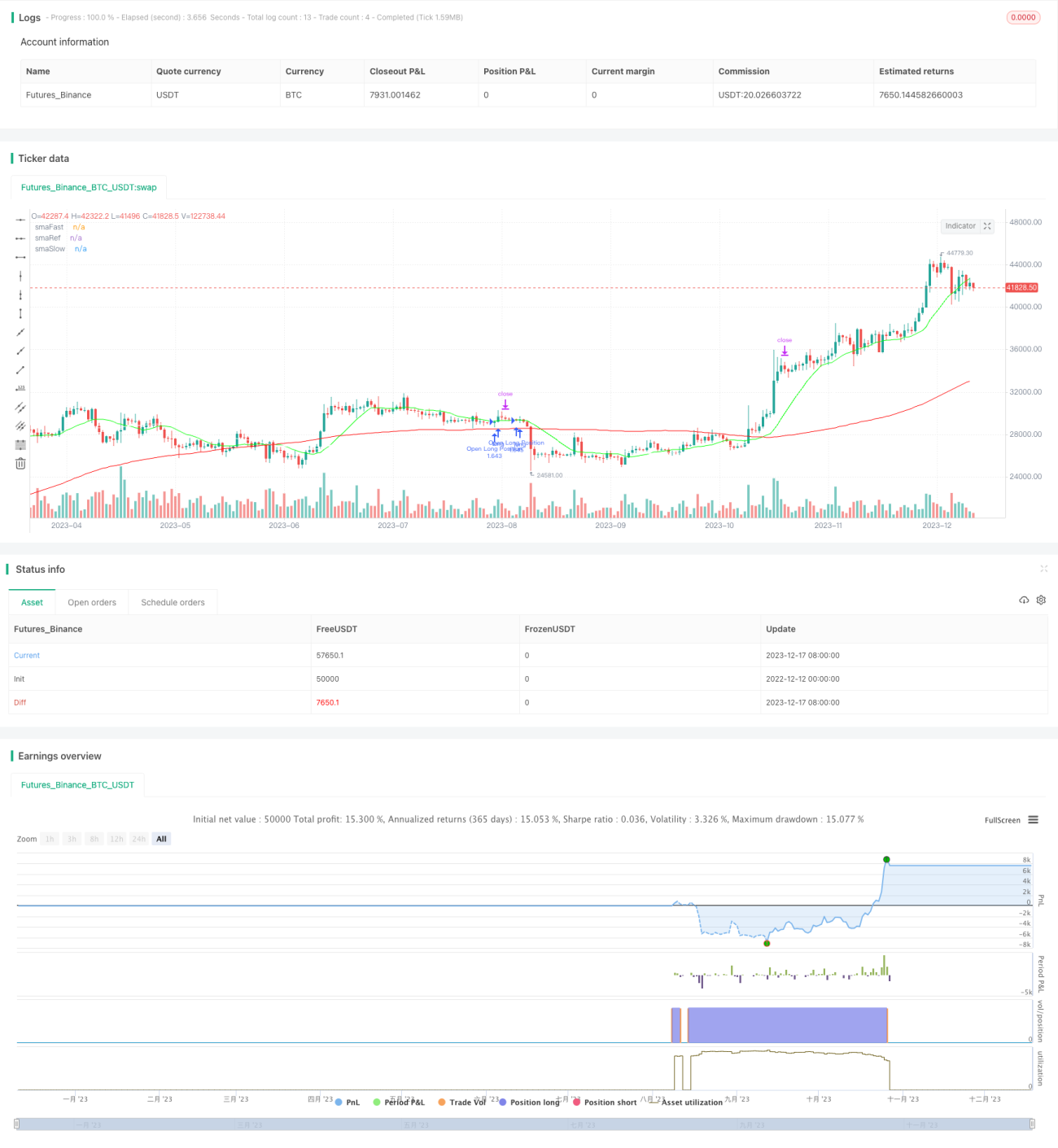
Chiến lược giao dịch SMA lệch giá
Tổng quan chiến lược
Chiến lược này sử dụng đường trung bình động đơn giản (SMA) và một số tính toán toán học để xác định điểm mua/bán. Chúng tôi sử dụng SMA 100 ngày làm đường cơ sở. Nếu giá đóng cửa thấp hơn đường này, chúng tôi chọn điểm mở lệnh dựa trên mức độ thấp hơn so với đường này, giá trị này (độ lệch thấp) là một tỷ lệ phần trăm có thể cấu hình. Đối với việc đóng lệnh, nếu giá đóng cửa cao hơn SMA 100 ngày của chúng tôi, chúng tôi xác định thời điểm bán ra với độ lệch trước đó. Nếu chúng tôi cố gắng bán quá sớm (giá vẫn đang tăng), trailing stop sẽ được kích hoạt.
Nguyên lý chiến lược
Chiến lược này sử dụng ba đường SMA: đường nhanh (mặc định 14 ngày), đường chậm (mặc định 100 ngày) và đường tham chiếu (mặc định 30 ngày).
Khi giá đóng cửa thấp hơn đường tham chiếu, và độ lệch thấp so với đường chậm lớn hơn độ lệch thấp đã cấu hình, đồng thời đường nhanh tăng và đường chậm giảm, thì vào lệnh mua (long). Khi các điều kiện này được thỏa mãn, rất có khả năng đường nhanh và đường chậm sẽ cắt nhau, do đó đây là điểm vào lệnh tốt.
Khi giá đóng cửa cao hơn đường tham chiếu, và độ lệch cao so với đường chậm lớn hơn độ lệch cao đã cấu hình, đồng thời giá đóng cửa đã tăng liên tiếp 3 cây nến, đã có lợi nhuận thực tế, và đường nhanh cao hơn đường chậm, thì đóng lệnh mua. Nếu giá tiếp tục tăng mạnh, trailing stop sẽ được kích hoạt.
Quy mô mỗi lệnh giao dịch được vào theo một tỷ lệ nhất định của vốn chủ sở hữu, qua đó kiểm soát vị thế.
Phân tích ưu điểm chiến lược
- Tận dụng ưu điểm của SMA, đó là làm mượt đường giá và lọc nhiễu thị trường.
- Sự giao cắt của SMA có khả năng dự đoán xu hướng nhất định.
- Thiết lập độ lệch so với đường SMA để tránh phá vỡ giả.
- Kết hợp các chỉ số xu hướng và giao cắt, nâng cao độ chính xác của quyết định.
- Sử dụng trailing stop để chốt lời, tránh drawdown.
Phân tích rủi ro chiến lược
- Bản thân SMA có độ trễ khá lớn, có thể bỏ lỡ các điểm đảo chiều giá.
- Thiết lập độ lệch không phù hợp có thể dẫn đến quá hung hăng hoặc quá thận trọng.
- Thiết lập tham số trailing stop không phù hợp có thể khiến dừng lỗ quá sớm hoặc biên độ dừng lỗ quá lớn.
- Không thể đối phó với thị trường biến động giá mạnh.
Các biện pháp tối ưu tương ứng:
- Kết hợp các chỉ báo dẫn đầu khác để lọc điểm vào lệnh.
- Thử nghiệm và tối ưu hóa độ lệch nhiều lần.
- Backtest liên tục các tham số dừng lỗ để tìm ra tham số tối ưu.
- Giảm vị thế trong giai đoạn biến động mạnh.
Hướng tối ưu chiến lược
- Kiểm tra SMA với các chu kỳ khác nhau để tìm tham số tối ưu.
- Thêm các chỉ báo khác để đánh giá cấu trúc và xu hướng thị trường.
- Tối ưu hóa tham số trailing stop để chốt lời nhiều hơn.
- Điều chỉnh vị thế theo mức độ biến động thị trường.
- Áp dụng đồng thời cho nhiều loại sản phẩm và kết hợp chúng.
Tổng kết
Chiến lược giao dịch SMA lệch giá tìm kiếm thời điểm vào lệnh tốt nhất bằng cách thiết lập độ lệch tham chiếu đến các đường SMA khác nhau. Đồng thời, cơ chế thoát lệnh được thiết lập trailing stop để chốt lời. Chiến lược này đơn giản, dễ hiểu và dễ thực hiện. Bằng cách tối ưu hóa tham số SMA, thiết lập độ lệch, mức dừng lỗ, v.v., có thể đạt được hiệu quả tốt hơn. Chiến lược này phù hợp với các nhà đầu tư theo chu kỳ trung dài hạn, theo đuổi lợi nhuận ổn định.
/*backtest
start: 2022-12-12 00:00:00
end: 2023-12-18 00:00:00
period: 1d
basePeriod: 1h
exchanges: [{"eid":"Futures_Binance","currency":"BTC_USDT"}]
*/

// @version=4
// Author: Sonny Parlin (highschool dropout)
strategy(shorttitle="SMA+Strategy", title="SMA Offset Strategy",
overlay=true, currency=currency.USD,- 1