Strategi Persilangan Dua Purata Bergerak

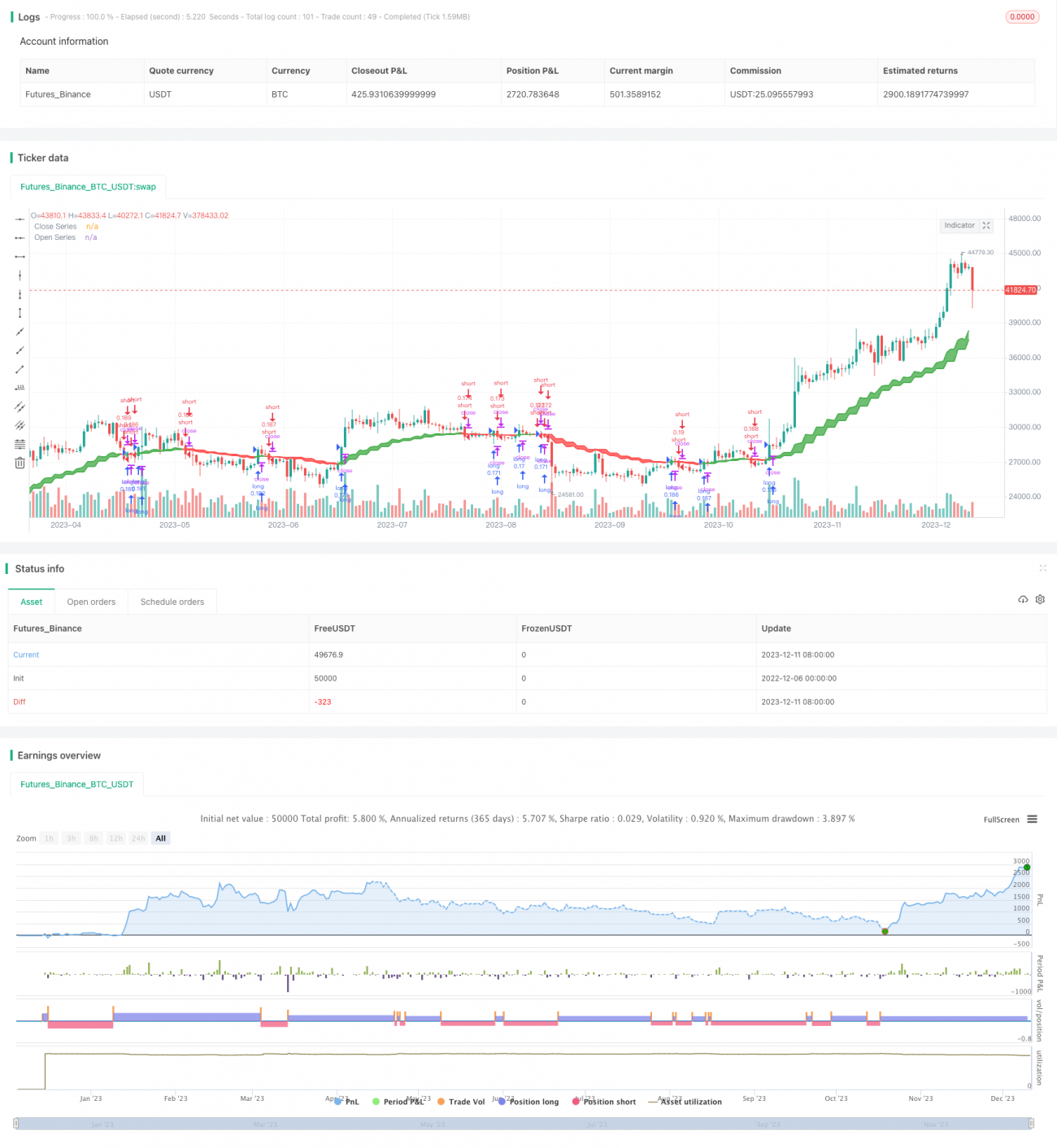
Gambaran Keseluruhan
Strategi titik persilangan purata bergerak berkembar adalah strategi perdagangan kuantitatif berdasarkan purata bergerak. Ia menentukan arah aliran harga melalui persilangan garis pantas dan garis perlahan, dan menjana isyarat beli dan jual pada titik persilangan. Strategi ini menggunakan purata bergerak Hull sebagai garis pantas, dan penapis Super Smoother sebagai garis perlahan. Gabungan ini menggabungkan kelicinan purata bergerak dan keupayaan penentuan arah aliran, dengan berkesan mengenal pasti pergerakan harga dan menghasilkan isyarat perdagangan yang lebih boleh dipercayai.
Prinsip Strategi
Formula pengiraan untuk strategi titik persilangan purata bergerak berkembar adalah seperti berikut:
Garis pantas (Purata Bergerak Hull): WMA(2 * WMA(nilai, n/2) - WMA(nilai, n), SQRT(n))
Garis perlahan (Super Smoother): Penapis nilai tertib ketiga
Di mana, WMA mewakili Purata Bergerak Berwajaran, SQRT mewakili punca kuasa dua, dan penapis mengandungi satu sebutan ketinggalan tertib pertama dan dua sebutan ketinggalan tertib kedua.
Strategi mengira nilai garis pantas dan garis perlahan untuk menentukan hubungan persilangan antara kedua-dua garis, di mana:
Garis pantas menembusi ke atas garis perlahan adalah isyarat beli
Garis pantas menembusi ke bawah garis perlahan adalah isyarat jual
Analisis Kelebihan
Strategi titik persilangan purata bergerak berkembar menggabungkan kelebihan penentuan purata bergerak berkembar dan perdagangan titik, dengan tepat menangkap titik perubahan arah aliran, dan masuk serta keluar tepat pada masanya. Berbanding strategi purata bergerak tunggal, ia mempunyai kelebihan berikut:
- Gabungan purata bergerak berkembar menghapuskan isyarat palsu. Garis pantas menentukan arah dan kekuatan arah aliran, garis perlahan menapis kegelisahan, menjadikan isyarat lebih boleh dipercayai.
- Keupayaan pemasangan data yang kuat oleh penapis Super Smoother berkesan mengekstrak arah aliran harga.
- Purata Bergerak Hull mempunyai sensitiviti tinggi terhadap perubahan harga, dapat menangkap perubahan arah tepat pada masanya.
Analisis Risiko
Strategi titik persilangan purata bergerak berkembar juga mempunyai risiko tertentu:
- Dalam pasaran yang bergelora, mungkin terdapat banyak isyarat whipsaw. Jarak purata bergerak boleh dilebarkan sedikit untuk mengurangkan isyarat palsu.
- Jarak purata bergerak yang terlalu lebar mungkin terlepas beberapa peluang. Perlu menyeimbangkan kuantiti dan kualiti isyarat yang ditangkap.
- Strategi ini lebih sesuai untuk instrumen yang arah alirannya lebih jelas, dan tidak sesuai digunakan pada produk dengan turun naik tinggi.
Arah Pengoptimuman
Strategi titik persilangan purata bergerak berkembar boleh dioptimumkan dari dimensi berikut:
- Laraskan parameter purata bergerak untuk menyesuaikan dengan instrumen yang mempunyai kitaran dan amplitud turun naik yang berbeza.
- Tambah penunjuk tambahan atau penapis untuk menilai kualiti arah aliran bagi mengurangkan whipsaw.
- Gabungkan penunjuk arah aliran untuk mengoptimumkan nisbah pembukaan posisi.
Rumusan
Strategi titik persilangan purata bergerak berkembar mewarisi kelebihan strategi purata bergerak, dan mengembangkan penggunaan penentuan purata bergerak berkembar dan kaedah perdagangan titik, membentuk penyelesaian perdagangan kuantitatif yang agak maju dan boleh dipercayai. Ia mempunyai kelebihan unik dalam perdagangan pemasaan, dan berbaloi untuk pengesahan dan penerokaan aplikasi secara langsung. Artikel ini menganalisis secara mendalam prinsip, kelebihan dan kekurangan strategi ini, serta memberikan cadangan pengoptimuman untuk rujukan. Adalah dipercayai bahawa dengan penambahbaikan model dan parameter secara berterusan, strategi ini pasti akan menjadi alat pemasaan yang berkuasa.
/*backtest
start: 2022-12-06 00:00:00
end: 2023-12-12 00:00:00
period: 1d
basePeriod: 1h
exchanges: [{"eid":"Futures_Binance","currency":"BTC_USDT"}]
*/

//@version=5
//

strategy(title='Open Close Cross Strategy ', shorttitle='sacinvesting', overlay=true, pyramiding=0, default_qty_type=strategy.percent_of_equity, default_qty_value=10, calc_on_every_tick=false)- 1