Стратегия пересечения двух скользящих средних

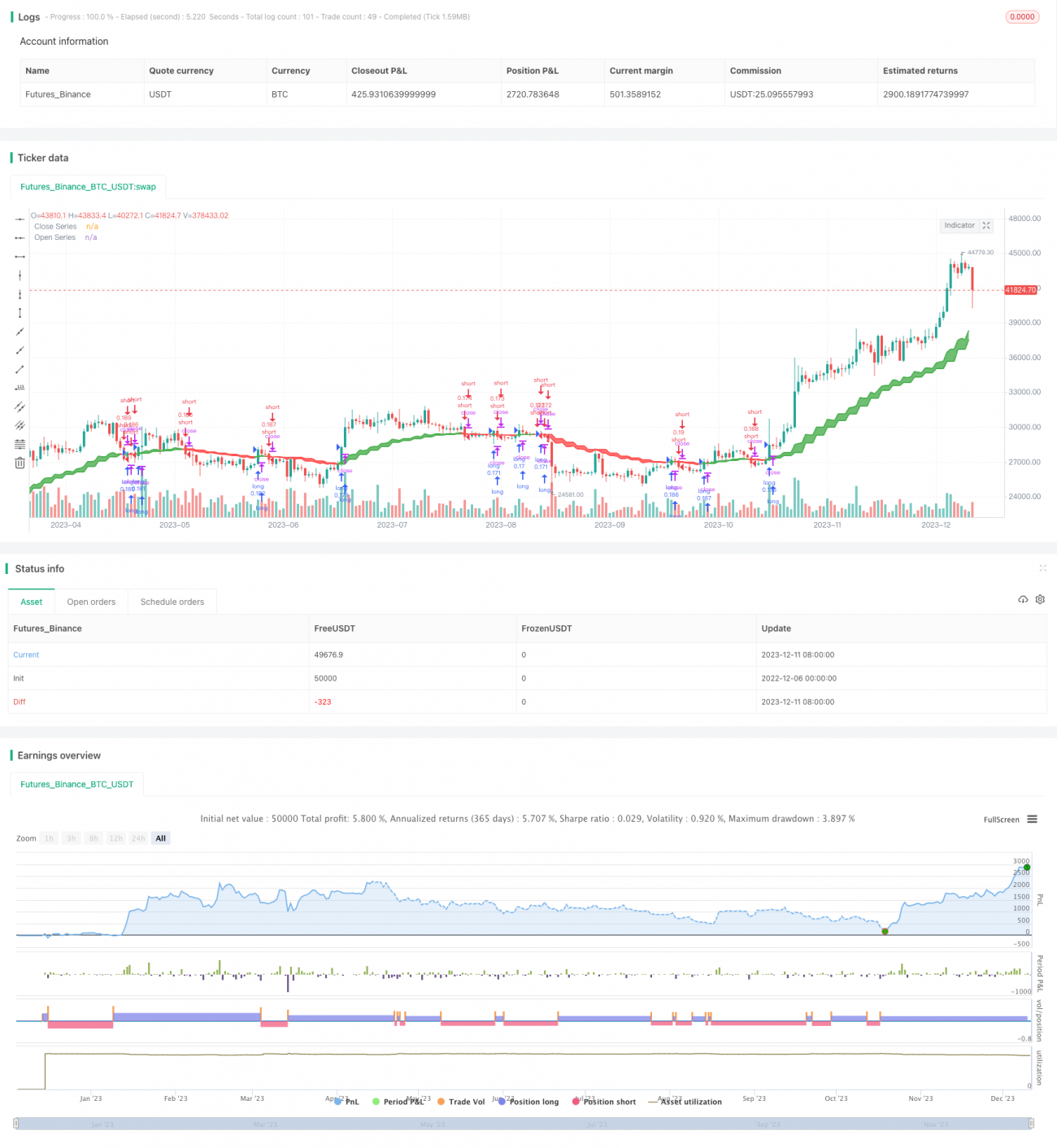
Обзор
Стратегия пересечения двух скользящих средних (Double Moving Average Crossover) – это количественная торговая стратегия, основанная на скользящих средних. Она определяет тренд цены по пересечению быстрой и медленной линий и генерирует сигналы на покупку и продажу в точках пересечения. В данной стратегии в качестве быстрой линии используется скользящая средняя Хала (Hull Moving Average), а в качестве медленной – фильтр Super Smoother. Такое сочетание объединяет сглаживающие свойства скользящих средних и способность определять тренд, что позволяет эффективно выявлять ценовые движения и формировать достаточно надежные торговые сигналы.
Принцип стратегии
Формула расчета стратегии пересечения двух скользящих средних выглядит следующим образом:
Быстрая линия (скользящая средняя Хала): WMA(2 * WMA(значение, n/2) – WMA(значение, n), SQRT(n))
Медленная линия (Super Smoother): тройной фильтр значения
где WMA – взвешенная скользящая средняя, SQRT – квадратный корень, фильтр содержит один член первого порядка запаздывания и два члена второго порядка запаздывания.
Стратегия рассчитывает значения быстрой и медленной линий и определяет отношение пересечения между ними:
- Быстрая линия пересекает медленную линию сверху вниз – сигнал на покупку.
- Быстрая линия пересекает медленную линию снизу вверх – сигнал на продажу.
Анализ преимуществ
Стратегия пересечения двух скользящих средних сочетает преимущества двойных скользящих средних и точечной торговли, что позволяет точно улавливать точки разворота тренда и своевременно входить и выходить с рынка. По сравнению со стратегиями с одной скользящей средней, она имеет следующие преимущества:
- Комбинация двух скользящих средних устраняет ложные сигналы. Быстрая линия определяет направление и силу тренда, а медленная – фильтрует колебания, делая сигналы более надежными.
- Мощная способность фильтра Super Smoother к подгонке данных позволяет эффективно извлекать ценовой тренд.
- Скользящая средняя Хала обладает высокой чувствительностью к изменениям цены и может своевременно улавливать развороты.
Анализ рисков
Стратегия пересечения двух скользящих средних также сопряжена с определенными рисками:
- На боковом рынке может возникать множество ложных сигналов (whipsaw). Можно适当 увеличить расстояние между скользящими средними, чтобы уменьшить количество ложных сигналов.
- Слишком большой разрыв между двумя скользящими средними может привести к пропуску некоторых возможностей. Необходимо находить баланс между количеством и качеством сигналов.
- Данная стратегия больше подходит для инструментов с четким трендом и не рекомендуется для высоковолатильных продуктов.
Направления оптимизации
Стратегию пересечения двух скользящих средних можно оптимизировать по следующим направлениям:
- Настройка параметров скользящих средних для адаптации к инструментам с разными периодами и амплитудами колебаний.
- Добавление дополнительных индикаторов или фильтров для оценки качества тренда с целью уменьшения количества ложных сигналов.
- Комбинирование с индикаторами тренда для оптимизации доли входа в позицию.
Заключение
Стратегия пересечения двух скользящих средних наследует преимущества стратегий на основе скользящих средних и расширяет их за счет использования двойных скользящих средних и точечной торговли, формируя достаточно продвинутую и надежную количественную торговую схему. Она обладает уникальными преимуществами в области тайминга сделок и заслуживает проверки на реальных данных и практического применения. В данной статье подробно проанализированы принципы, достоинства и недостатки этой стратегии, а также предложены идеи по ее оптимизации, которые могут служить справочным материалом. По мере совершенствования модели и параметров эта стратегия, несомненно, станет мощным инструментом для выбора времени входа в рынок.
/*backtest
start: 2022-12-06 00:00:00
end: 2023-12-12 00:00:00
period: 1d
basePeriod: 1h
exchanges: [{"eid":"Futures_Binance","currency":"BTC_USDT"}]
*/

//@version=5
//

strategy(title='Open Close Cross Strategy ', shorttitle='sacinvesting', overlay=true, pyramiding=0, default_qty_type=strategy.percent_of_equity, default_qty_value=10, calc_on_every_tick=false)- 1