بہاؤ پر مبنی اتار چڑھاؤ والی مقداری حکمت عملی

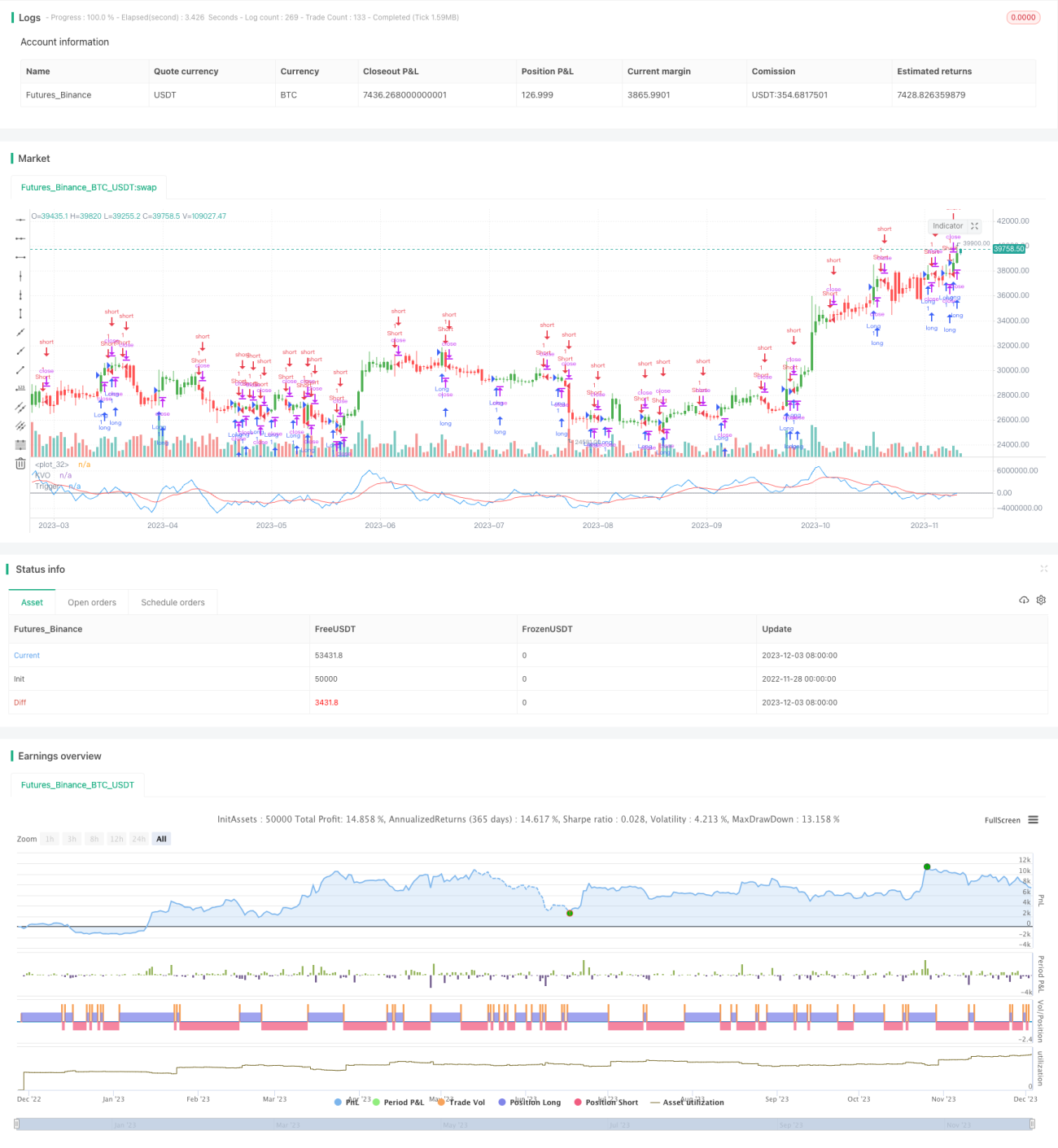
یہ کلنگر مقداری اشارے پر مبنی ایک تجارتی حکمت عملی ہے۔ یہ حکمت عملی قیمتوں کے اتار چڑھاؤ میں خرید و فروخت کی طاقت میں ہونے والی تبدیلیوں کو پکڑتی ہے تاکہ مارکیٹ کے رجحان کے موڑ کے نکات کا پتہ لگایا جا سکے۔ اس کا فائدہ حساسیت اور درستگی ہے، اور یہ قلیل مدتی اور طویل مدتی تجزیہ دونوں کے لیے موزوں ہے۔ تاہم، کچھ خطرات بھی ہیں جن پر توجہ دینے کی ضرورت ہے۔
حکمت عملی کا اصول
یہ حکمت عملی درج ذیل نظریاتی بنیادوں پر قائم ہے:
- قیمت کی حد (سب سے زیادہ قیمت - سب سے کم قیمت) قیمت کے اتار چڑھاؤ کی وسعت کو ظاہر کرتی ہے، جبکہ حجم قیمت کے اتار چڑھاؤ کی قوت ہے۔
- اگر آج کی سب سے زیادہ قیمت + سب سے کم قیمت + بند قیمت کا مجموعہ گزشتہ دن کے مقابلے میں زیادہ ہے، تو یہ خریداروں کی طاقت میں اضافہ اور جمع ہونے کی خصوصیت کو ظاہر کرتا ہے۔ اس کے برعکس تقسیم کی خصوصیت ہے۔
- حجم میں مسلسل تبدیلی خریداروں اور فروخت کنندگان کی طاقت میں تبدیلی کو ظاہر کرتی ہے۔
ان نظریات کی بنیاد پر، یہ حکمت عملی بند قیمتوں کے مجموعے کا گزشتہ دن سے موازنہ کرکے اور حجم میں تبدیلی کو ملا کر کلنگر مقداری اشارے کا حساب لگاتی ہے۔ جب اشارہ اپنی اوسط لکیر کو اوپر سے عبور کرتا ہے تو لمبی پوزیشن لی جاتی ہے، اور جب نیچے سے عبور کرتا ہے تو چھوٹی پوزیشن لی جاتی ہے۔
خاص طور پر، حکمت عملی میں تین اشارے شامل ہیں:
- xTrend: قیمت کے رجحان کی طاقت کو ظاہر کرتا ہے، جو آج کے بند قیمت کے مجموعے کا گزشتہ دن سے موازنہ کرنے پر مبنی ہے۔
- xFast: xTrend کا تیز اوسط، پیرامیٹر 34 دن۔
- xSlow: xTrend کا سست اوسط، پیرامیٹر 55 دن۔
پھر فرق xKVO کو تجارتی اشارے کے طور پر شمار کیا جاتا ہے۔ جب یہ 13 دن کی اوسط xTrigger کو اوپر سے عبور کرتا ہے تو لمبی پوزیشن لی جاتی ہے، اور جب نیچے سے عبور کرتا ہے تو چھوٹی پوزیشن لی جاتی ہے۔
حکمت عملی کے فوائد
اس حکمت عملی کا سب سے بڑا فائدہ یہ ہے کہ یہ بیک وقت قلیل مدتی اور طویل مدتی تجزیہ کے لیے موزوں ہے۔ تیز اور سست اوسط کے پیرامیٹرز کی ترتیب اسے قلیل مدتی رجحان کی تبدیلیوں کو حساس طریقے سے پکڑنے کے قابل بناتی ہے۔ اس کے ساتھ ساتھ، یہ قلیل مدتی مارکیٹ کے شور کو بھی فلٹر کر سکتی ہے اور طویل مدتی رجحان کو پکڑ سکتی ہے۔ یہ وہ کام ہے جو قیمت پر مبنی بہت سے اشارے کرنے سے قاصر ہیں۔
مزید برآں، یہ حکمت عملی صرف قیمت اور حجم پر مبنی ہے۔ اس میں پیچیدہ ریاضیاتی اشاروں کا حساب لگانے کی ضرورت نہیں ہے، اس لیے اس کی حساب کتابی کارکردگی زیادہ ہے اور یہ حقیقی مارکیٹ میں استعمال کے لیے موزوں ہے۔
خطرات اور ان کا مقابلہ
اس حکمت عملی کا سب سے بڑا خطرہ حجم کے اشارے کی جھوٹی بریک آؤٹ کو پہچاننے کی کمزور صلاحیت ہے۔ جب قیمت میں قلیل مدتی ایڈجسٹمنٹ ہوتی ہے اور اوپر کی طرف اوسط لکیر کو عبور کرتی ہے تو یہ حکمت عملی غلط لمبی پوزیشن کے سگنل دے سکتی ہے۔ ایسی صورت میں رجحان کا تعین کرنے کے لیے دیگر عوامل کو بھی مدنظر رکھنا ضروری ہے۔
اس کے علاوہ، یہ حکمت عملی پیرامیٹرز کی ترتیب کے لیے کافی حساس ہے۔ تیز اور سست اوسط اور تجارتی اوسط کے پیرامیٹرز کو بہترین کارکردگی حاصل کرنے کے لیے بار بار جانچ اور اصلاح کی ضرورت ہوتی ہے۔
حکمت عملی کی اصلاح
خطرات کے تجزیے کی بنیاد پر، ہم درج ذیل پہلوؤں سے اس حکمت عملی کو مزید بہتر بنا سکتے ہیں:
-
نقصان روکنے کا طریقہ کار شامل کریں۔ جب قیمت میں ایک خاص فیصد کمی آتی ہے تو نقصان روکنے سے باہر نکلنا قلیل مدتی ایڈجسٹمنٹ کے شور کے اثرات کو کم کر سکتا ہے۔
-
رجحان کو فلٹر کرنے کے لیے MACD جیسے ایکسپونینشل موونگ ایوریج کے اشارے شامل کریں تاکہ مارکیٹ کی مجموعی سمت کا تعین کیا جا سکے اور اتار چڑھاؤ والی مارکیٹ میں سمت کی غلطیوں سے بچا جا سکے۔
-
پیرامیٹرز کی ترتیب کو بہتر بنائیں۔ تاریخی بیک ٹیسٹ ڈیٹا کے ذریعے پیرامیٹرز کے بہترین امتزاج کو تلاش کریں تاکہ حکمت عملی کے استحکام میں اضافہ ہو۔
-
ابتدائی سرمائے کے انتظام کو بہتر بنائیں۔ جیسے کہ منافع روکنے اور نقصان روکنے کی صورت میں پوزیشن سائز کو متحرک طور پر ایڈجسٹ کرنا۔
خلاصہ
یہ حکمت عملی قیمت کے کل اور حجم کے درمیان تعلق کا موازنہ کرکے مارکیٹ میں خرید و فروخت کی طاقت میں ہونے والی تبدیلیوں کو پکڑتی ہے، اور حساسیت اور استحکام دونوں کو مدنظر رکھتی ہے۔ پیرامیٹرز کی ترتیب کو بہتر بنانے اور رجحان کے تعین کو شامل کرنے کی شرط پر، یہ اچھی کارکردگی حاصل کر سکتی ہے۔ تاہم، تاجروں کو خود اشارے کی حدود سے پیدا ہونے والے خطرات سے ہمیشہ چوکنا رہنا چاہیے۔
نتیجہ
مجموعی طور پر، یہ حکمت عملی قیمت کی مقداروں اور حجم کا موازنہ کرکے مارکیٹ کی قوتوں میں تبدیلیوں کو گرفت میں لیتی ہے، جس سے حساسیت اور استحکام دونوں کا خیال رکھا جاتا ہے۔ بہتر کردہ پیرامیٹرز اور رجحان کی تصدیق کے ساتھ یہ اچھی کارکردگی دکھا سکتی ہے، لیکن حجم کے اشارے کی موروثی حدود اب بھی تاجروں کے لیے خطرات کا باعث بن سکتی ہیں۔
/*backtest
start: 2022-11-28 00:00:00
end: 2023-12-04 00:00:00
period: 1d
basePeriod: 1h
exchanges: [{"eid":"Futures_Binance","currency":"BTC_USDT"}]
*/

//@version=2
////////////////////////////////////////////////////////////
//  Copyright by HPotter v1.0 30/08/2017
// The Klinger Oscillator (KO) was developed by Stephen J. Klinger. Learning - 1